Tens of thousands of people accused of links to Islamic State remain detained in camps across northeast Syria, as control shifts from Kurdish forces to the Syrian army, raising fresh legal, humanitarian and security concerns.
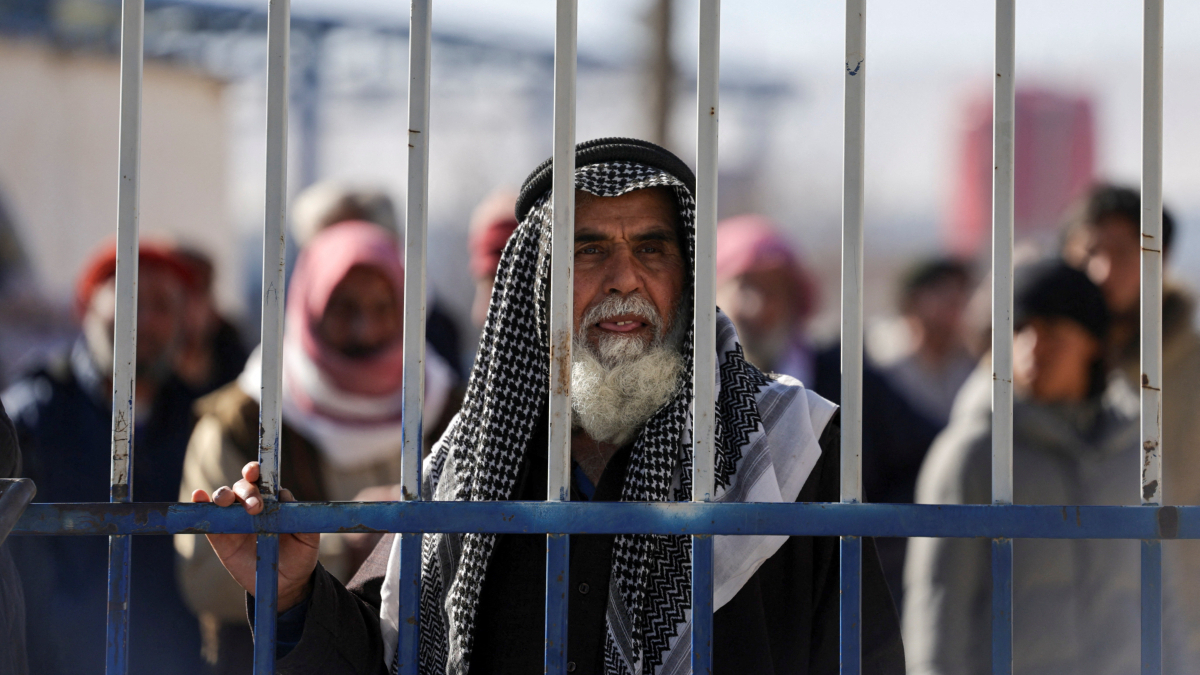
Armed guards patrol the camp’s gates, preventing residents from leaving. The population is made up mostly of women and children, many of whom say they are being punished without trial and denied the chance to challenge the accusations against them.
“They insist on calling us terrorists, but we are not terrorists,” said Fatma Ali, a resident of Al-Hol. She said children in the camp are growing up stigmatised and traumatised, adding that families should be allowed to leave so children can study, integrate and live normal lives.
Although women and children form the majority of Al-Hol’s population, men are also held at the site. The Kurdish-led Syrian Democratic Forces (SDF) have previously said the camp is part of a wider detention system for thousands of suspected Islamic State members. Detainees say many were never given an opportunity to contest the claims against them.
Mohammad Issam, another resident, said he survives by selling food to buy milk for his child. He said authorities demanded proof of identity to leave the camp, something he says is impossible to obtain due to the lack of internet access or phones. He said he was told his name was already on a list linking him to armed groups.
Control of the camps shifted this week after intense clashes in the area, when the Syrian army advanced and forced the SDF out, adding to uncertainty over who now holds responsibility for detainees.
Analysts warn that beyond immediate security risks, the long-term legal and humanitarian future of those held remains unclear.
Political analyst Mostafa Al Naimi said rehabilitation programmes could be developed, but only through agreements between the Syrian government and detainees’ countries of origin. He said many cases involve dual nationals and there is no unified approach to prosecution or reintegration.
















What is your opinion on this topic?
Leave the first comment