NATO’s new 5% of GDP defence pledge shows renewed unity and focus on collective security, Deputy Secretary General Radmila Shekerinska told AnewZ in an exclusive interview. It came as U.S. President Donald Trump used his WEF address to again claim credit for pushing allies to lift defence spending.
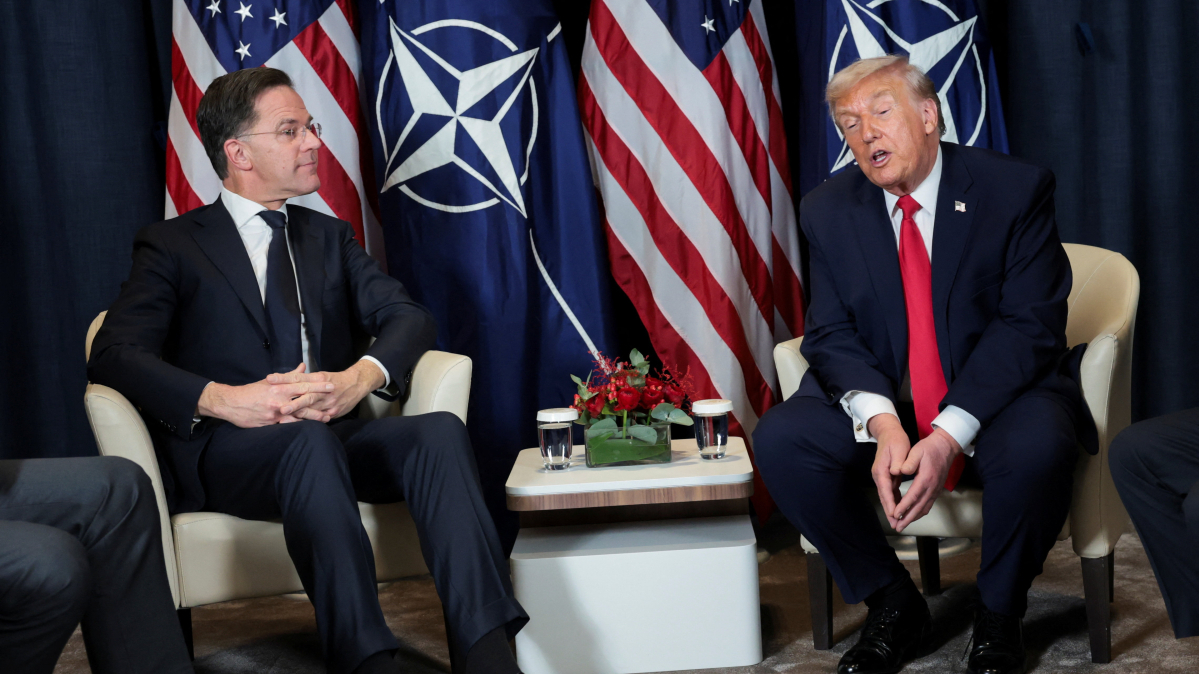
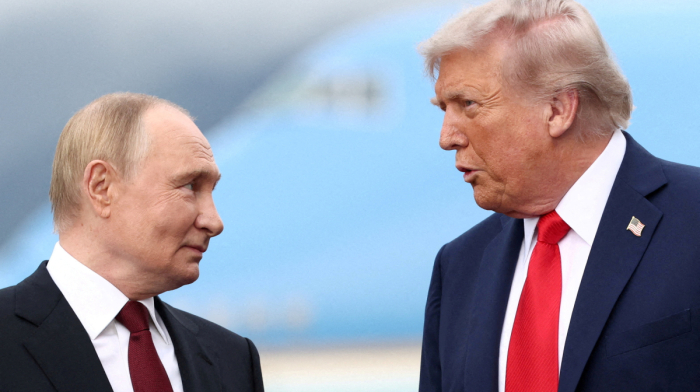
During the World Economic Forum in Davos, Donald Trump and NATO Secretary General Mark Rutte discussed Arctic security and Greenland, with the U.S. President signalling that new tariffs on European allies were unnecessary for the time being.
"Actually, from what I heard and read after Davos and this meeting between the Secretary General and the U.S. President, it was quite a lot of praise from both sides, because it was really seen as an effort of thoughtful diplomacy to actually come up with agreement on many things," Shekerinska told AnewZ Editor-in-Chief Guy Shone in an exclusive sit-down interview.
Shekerinska noted NATO’s focus on collective security in the Arctic amid increased Russian and Chinese activity.
“Out of the eight Arctic countries, seven are NATO allies. Our approach has been to focus on what we can do more in order to support our collective security by protecting the Arctic,” she explained, citing Russia’s reopening of Soviet-era military sites, deep-water ports, and new airfields, as well as China’s growing presence in the region.
Defence spending pledge
The Deputy Secretary General stated that the promise to increase defence spending within the alliance, reflects “a razor-focused approach on security, on stronger defence and deterrence,” signalling a new era of unity and burden-sharing within NATO.
“U.S. President Trump was very clear that he expects European allies and Canada to really take a balanced part of the weight when it comes to security,” she said.
The Deputy Secretary General stressed that the 5% GDP pledge demonstrates both commitment and credibility in the face of growing global threats, including from Russia and terrorism.
NATO-Azerbaijan cooperation
Shekerinska also highlighted NATO’s longstanding partnership with Azerbaijan. “We have a history of three decades of partnership with Azerbaijan. They have both profited from this partnership, but also contributed to the partnership,” she said, referencing Azerbaijan’s involvement in NATO missions in Afghanistan and contributions to human security initiatives, such as demining and defence education programmes.
The Deputy Secretary General added that NATO is formalising this cooperation through a new Individually Tailored Partnership Program (ITPP), designed to enhance bilateral relations and foster regional stability.
She also welcomed recent breakthroughs in Armenia–Azerbaijan relations, describing the peace negotiations as “a concrete contribution” to regional security.
What next for NATO?
Despite criticism of multilateral organisations in recent years, Shekerinska emphasised that NATO’s focus on core security priorities and its adaptability has reinforced its relevance.
“Every time people start posing the question about NATO’s future, we end up with a solution, meaning more NATO, not less NATO,” she said, underlining the alliance’s assuredness in confronting today’s global challenges.
“NATO is prepared for the future and facing it with strong self-confidence,” Shekerinska concluded.













What is your opinion on this topic?
Leave the first comment