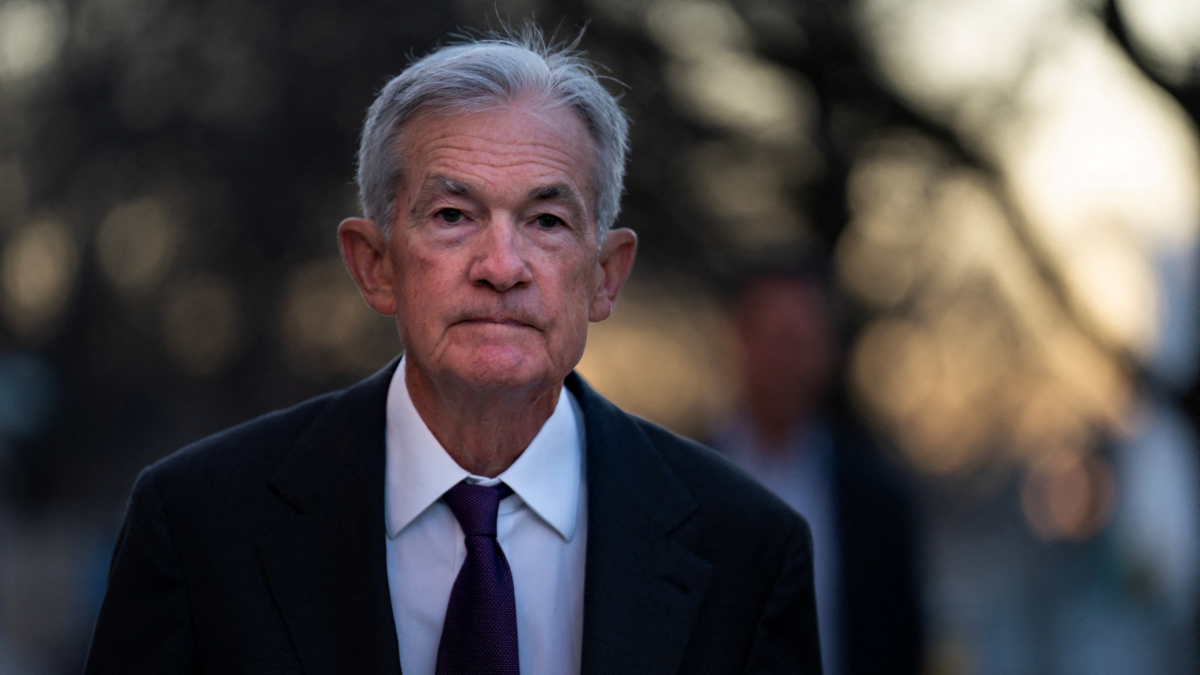
Federal Reserve Chair Jerome Powell is set to attend Supreme Court oral arguments this week in a case examining whether President Donald Trump has the authority to remove a sitting Federal Reserve Governor, Lisa Cook.
Cook sued after Trump sought her removal, arguing that the law establishing the Federal Reserve allows governors to be dismissed only ‘for cause’.
Lower courts allowed her to continue serving while the case moved forward, and the Supreme Court ruled in October that she could remain in her post while it considers the legal challenge.
Trump’s attempt to remove Cook was carried out via social media. On 25 August, the president posted a letter on his Truth Social account addressed to Cook stating that she was ‘hereby removed’ from her role. No president has previously sought to dismiss a Federal Reserve governor since the central bank was established in 1913.
Cook argues that the method of her removal violated her constitutional right to due process, saying she was given no advance notice or meaningful opportunity to respond to the allegations against her. Lower courts agreed that the process used by Trump was likely unlawful, citing concerns over both the lack of procedural safeguards and whether the allegations met the legal standard for removal.
The case is being heard as the Federal Reserve faces increasing pressure from the White House. Earlier this month, the U.S. Department of Justice issued grand jury subpoenas to the Fed as part of a criminal investigation linked to a multi-year renovation of the central bank’s headquarters in Washington, estimated to cost $2.5 billion.
Powell publicly criticised the investigation in a rare video statement, saying the subpoenas followed the Fed’s refusal to cut interest rates in line with the administration’s demands. He said the threat of criminal charges risked undermining confidence in the institution and its independence.
U.S. Treasury Secretary Scott Bessent has criticised Powell’s plan to attend the hearing, saying it could politicise the central bank. Speaking to CNBC, Bessent said it would be a mistake for the Fed chair to appear in person at arguments involving the administration’s attempt to remove a governor.
Trump originally appointed Powell as Fed chair in 2018. Powell’s term as chair ends in May, though his term as a member of the Fed’s Board of Governors runs until early 2028.
Legal experts say the Cook case could also shape the future of the Fed chair. A Supreme Court ruling that broadens the president’s power to remove governors could weaken long-standing protections around the central bank’s leadership, potentially affecting future attempts to dismiss or sideline the Fed chair.
What is at stake?
Trump has repeatedly called for interest rates to be cut to around 1%, arguing lower borrowing costs would boost economic growth. The Federal Reserve has taken a more cautious approach, cutting rates three times late last year to about 3.6%, citing inflation risks and its dual mandate to maintain price stability and support employment.
The administration has accused Cook of mortgage fraud related to loan documents for properties purchased before she joined the Fed. Cook denies the allegations and has not been charged. A federal judge previously ruled that the accusations were unlikely to constitute sufficient ‘cause’ for removal under the Federal Reserve Act.
All living former Federal Reserve chairs have issued a joint statement condemning the investigation into Powell, warning that attacks on central bank independence have historically been linked to economic instability and higher costs of living.
As the Supreme Court considers the limits of presidential power over the Federal Reserve, Powell’s appearance at the hearing highlights how a dispute over interest rates and governance has developed into a broader test of institutional independence at the heart of the U.S. financial system.




















What is your opinion on this topic?
Leave the first comment