China said on Tuesday that the United States has invited Beijing to take part in President Donald Trump’s proposed 'Board of Peace' initiative on Gaza.
But Beijing, which recently struck a delicate trade truce with Washington, stopped short of saying whether it would accept or decline the invitation.
“China has received the invitation from the United States,” Foreign Ministry spokesman Guo Jiakun said in response to a question about participation in the international body.
China is willing to work with the U.S. on further stabilising ties while safeguarding its own interests, Guo said.
Governments from around the world have so far reacted cautiously to Trump's invitation to join the initiative, which diplomats say could undermine the United Nations.
France, however, said it would not join. President Emmanuel Macron’s office cited concerns that the proposed body could exceed its stated focus on Gaza.
In a statement, the Élysée Palace said the board’s authority would go “beyond the framework of Gaza and raises serious questions, in particular with respect to the principles and structure of the United Nations.”
Meanwhile, Russia said it had received the invitation and was reviewing the proposal. Kremlin spokesman Dmitry Peskov said President Vladimir Putin had received the proposal through diplomatic channels and that Moscow was reviewing its details and seeking further clarification from Washington.
Governments worldwide have reacted cautiously to Trump’s invitation, with diplomats warning that the initiative could complicate or weaken the United Nations’s role in resolving global conflicts.
Who else has been invited to the Board of Peace?
Around 60 countries have received inviations which began arriving in European capitals on Saturday (17 January), diplomats said.
The UK has signalled its willingness to play a role in the second phase of a ceasefire in Gaza, Prime Minister Keir Starmer said on Monday.
India has also been invited to join the initiative, according to a White House statement shared on X by Washington’s ambassador to New Delhi, Sergio Gor. It was not immediately clear whether India would accept the invitation, and India’s foreign ministry did not respond to a request for comment.
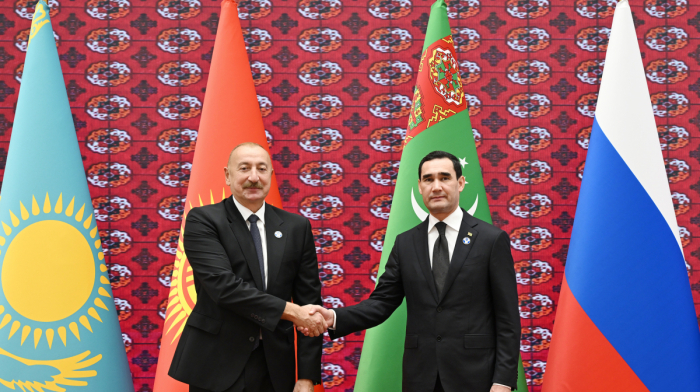
Meanwhile, Kazakh President Kassym-Jomart Tokayev said he will join it after accepting an invitation to do so and wants to contribute to bringing about a stable Middle East peace, his spokesperson said on Monday. Uzbekistan has also received an invitation to join the initiative.
Meanwhile, Morocco has confirmed it has joined, according to officials familiar with the initiative.
Italian Prime Minister Giorgia Meloni said Italy was "ready to do our part", although it was not clear whether she was specifically referring to Gaza or the broader peace.
Canadian Prime Minister Mark Carney said he had agreed in principle with details still under discussion.
The leaders of France, Germany, Italy, Hungary, Australia, Canada, the European Commission and key Middle East powers were among those invited, according to officials.
"We have, of course, accepted this honourable invitation," Hungarian Prime Minister Viktor Orbán, a close ally of Trump, wrote on X.
The Belarusian Foreign Ministry said that Trump had also invited President Alexander Lukashenko.
The Ministry noted that Belarus looks forward to participating in the body’s activities and hopes its mandate will expand beyond Gaza in the future.
How would the Board of Peace work?
The board would be chaired for life by Trump and would start by addressing the Gaza conflict and then it's thought will be expanded to deal with other conflicts, according to a copy of the letter and draft charter seen by Reuters.
Member states would be limited to three-year terms unless they pay $1 billion each to fund the board's activities and earn permanent membership, the letter states.
"This simply offers permanent membership to partner countries who demonstrate deep commitment to peace, security, and prosperity," the White House said in a post on X.
Concerns over the role of the United Nations
A mandate for a Board of Peace was authorised by the United Nations Security Council in November, but only until 2027 and it solely focused on the Gaza conflict.
Russia and China, two veto wielding powers, abstained, complaining that the resolution did not give the UN a clear role in the future of Gaza.
The inclusion of a 'charter' in the invitation letter stoked concerns among some European governments that it could undermine the work of the United Nations, which Trump has accused of not supporting his efforts to end conflicts around the world.
"It's a 'Trump United Nations' that ignores the fundamentals of the UN charter," said one diplomat.
A spokesperson for UN Secretary-General António Guterres said he "believes Member States are free to associate in different groups" in response to a question about the draft U.S. charter for a Board of Peace.
Gaza focus
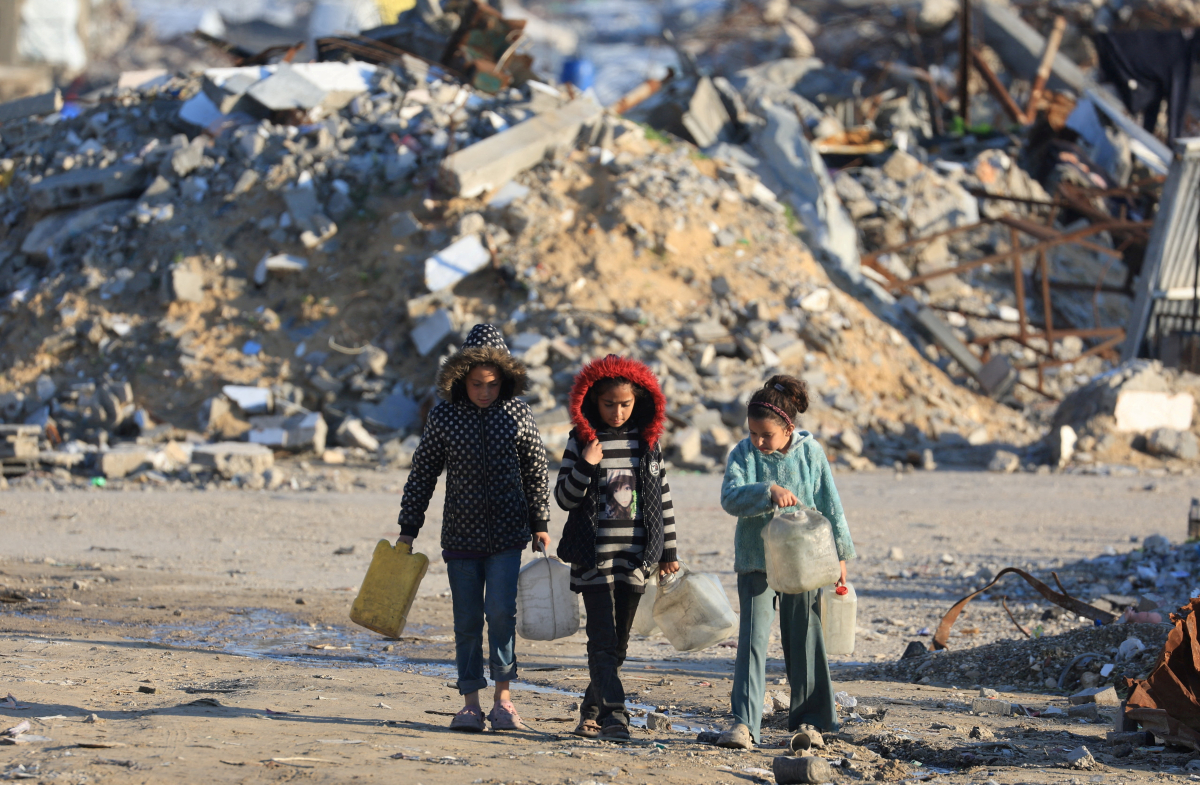
On Friday, the White House named some individuals who will sit on the board. It would outlive its role supervising the temporary governance of Gaza, which has been under a fragile ceasefire since October.
The administration also announced a separate 11-member Gaza Executive Board, including officials from Türkiye and Qatar, to support the technocratic administration. Israeli Prime Minister Benjamin Netanyahu’s office said the board’s composition had not been coordinated with Israel and contradicted its policy.











What is your opinion on this topic?
Leave the first comment