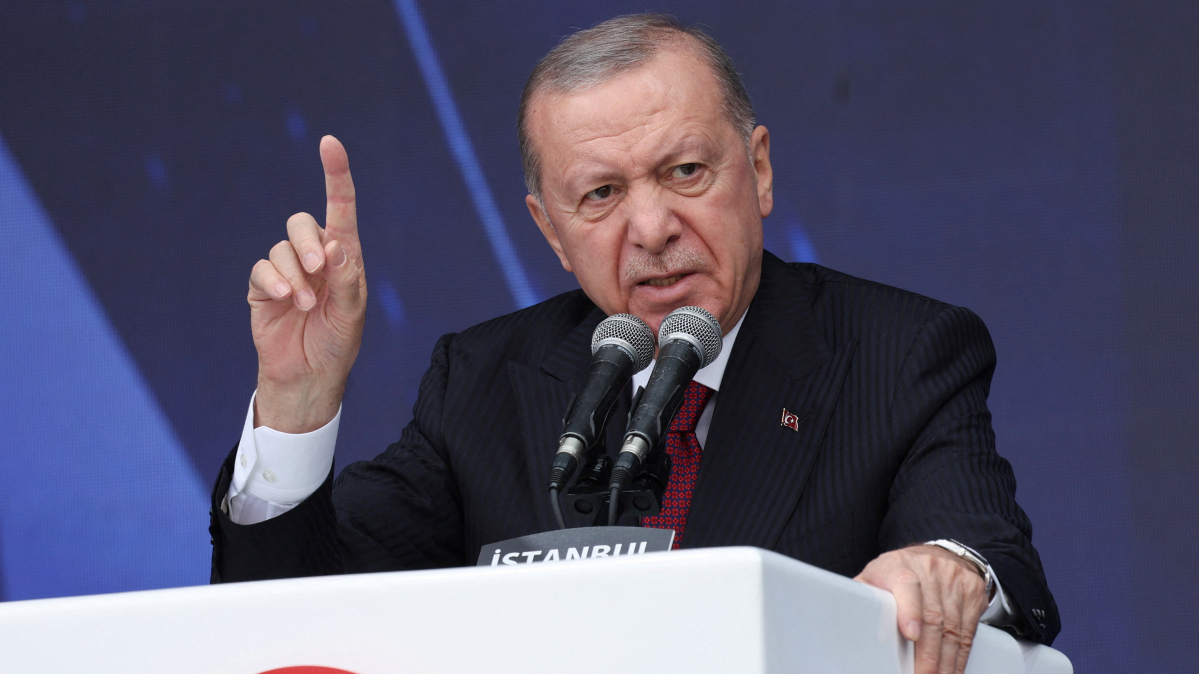
Türkiye has renewed its push to rejoin the U.S.-led F-35 fighter jet programme, with President Recep Tayyip Erdoğan arguing that reinstatement is essential not only for relations with Washington but also for NATO’s collective security.
Ankara has been excluded from the next-generation stealth aircraft project since 2019, after purchasing Russia’s S-400 air defence system.
Türkiye now says returning to the programme would help strengthen NATO’s southern flank and repair ties with the United States.
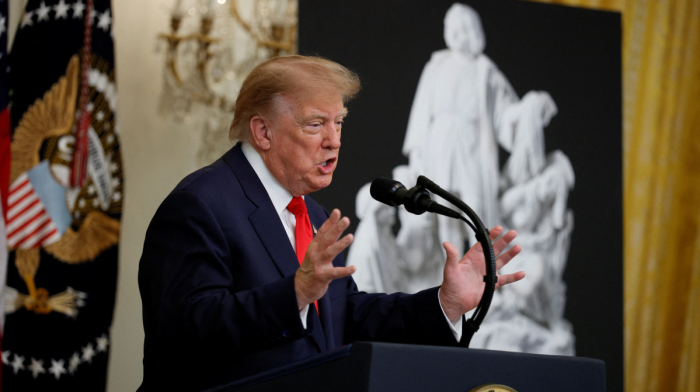
In written comments to Bloomberg, Erdoğan said he intended to draw on his relationship with U.S. President Donald Trump to mend a partnership that fractured nearly a decade ago.
Türkiye had been a manufacturing partner in the programme and paid about $1.4bn for aircraft that were never delivered.
President Erdoğan said he raised the issue directly with Trump during a meeting at the White House in September 2025, describing Ankara’s removal from the programme as "unjust".
“With Trump’s return to office, an opportunity has emerged to move Türkiye–U.S. relations onto a more reasonable and constructive footing,” he said, using the country’s official diplomatic name.
He added that Türkiye’s receipt of the aircraft it had already paid for, and its reintegration into the programme, were “important and necessary” for strengthening NATO’s collective defence.
Resolving the S-400 dispute
The primary obstacle remains Türkiye’s acquisition of the Russian-made S-400 missile system.
U.S. defence officials have long argued that operating the system alongside the F-35 could compromise the aircraft’s stealth technology.
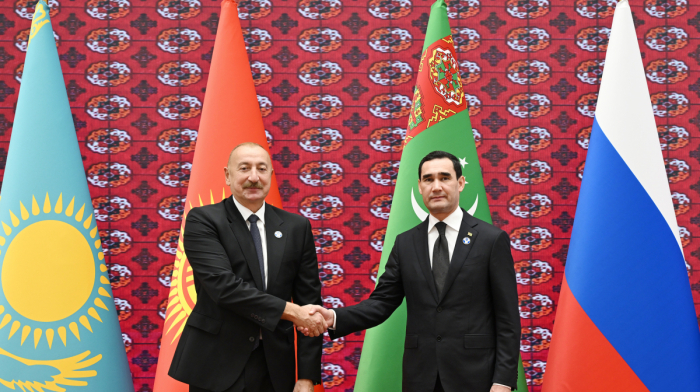
In a sign of possible compromise, Türkiye is reported to be exploring the return of the S-400 systems to Russia. Erdogan discussed the issue with Russian President Vladimir Putin during a summit in Turkmenistan last month.
Tom Barrack, the U.S. ambassador to Türkiye, said late last year that the dispute could be resolved within four to six months.
While seeking a return to the F-35 programme, Ankara is also negotiating the purchase of upgraded F-16 Block 70 aircraft.
Erdoğan said Türkiye expected terms consistent with NATO solidarity, citing its recent acquisition of Eurofighter Typhoon jets as evidence of continued Western defence cooperation.
Economic and energy frictions
Relations between Ankara and Washington remain strained by the case involving Türkiye Halk Bankasi AS, the state-owned lender charged in the United States with helping Iran evade sanctions.
The bank has denied the allegations.
Erdoğan dismissed the case as misguided but said talks were continuing to protect the lender from what he described as “unjust penalties”, expressing hope for a fair outcome.
Energy has also become an area of engagement. Under pressure from Washington to reduce reliance on Russian supplies, Türkiye has increased imports of liquefied natural gas, particularly from the United States.
“We have significantly increased our LNG supplies, especially from the U.S.,” Erdoğan said, adding that American gas now holds a “prominent position” in Türkiye’s energy mix.
Despite these efforts, Russia remains Türkiye’s largest energy supplier, accounting for about 61% of oil imports and roughly 40% of gas consumption.
Regional role
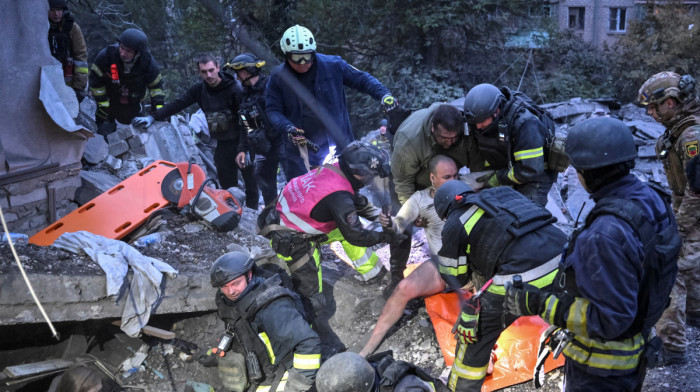
Türkiye’s strategic importance has been underscored by the war in Ukraine and instability across the Middle East.
Since Russia’s invasion of Ukraine in 2022, Ankara has declined to impose sanctions on Moscow while supplying armed drones to Kyiv and invoking the Montreux Convention to restrict military traffic through the Black Sea.
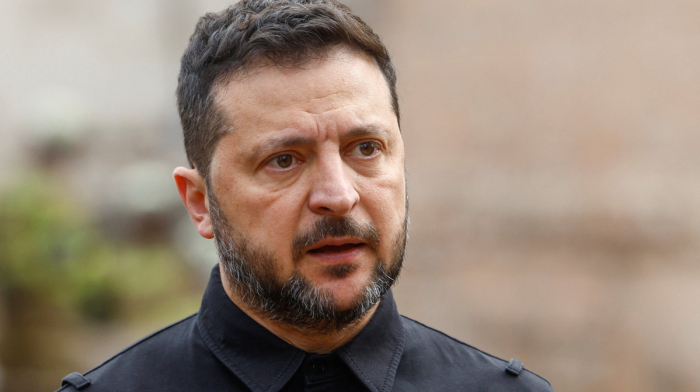
Erdoğan said Türkiye was uniquely positioned to facilitate dialogue between Moscow and Kyiv, noting that it maintains direct contact with both Russian President Vladimir Putin and Ukraine’s President Volodymyr Zelenskyy.
He also said any international stabilisation force in Gaza would lack legitimacy without Türkiye’s participation, citing what he described as the country’s historical ties with Palestinians.
“Our political will is clear,” Erdoğan said. “We stand ready to take on responsibility for a lasting peace.”











What is your opinion on this topic?
Leave the first comment