Iran strikes: Why now and what next for the leadership in Tehran?
Journalist and International Affairs Commentator, Tom Gross, joined AnewZ from Tel Aviv to tell us why he thinks the attack happened now and whether t...
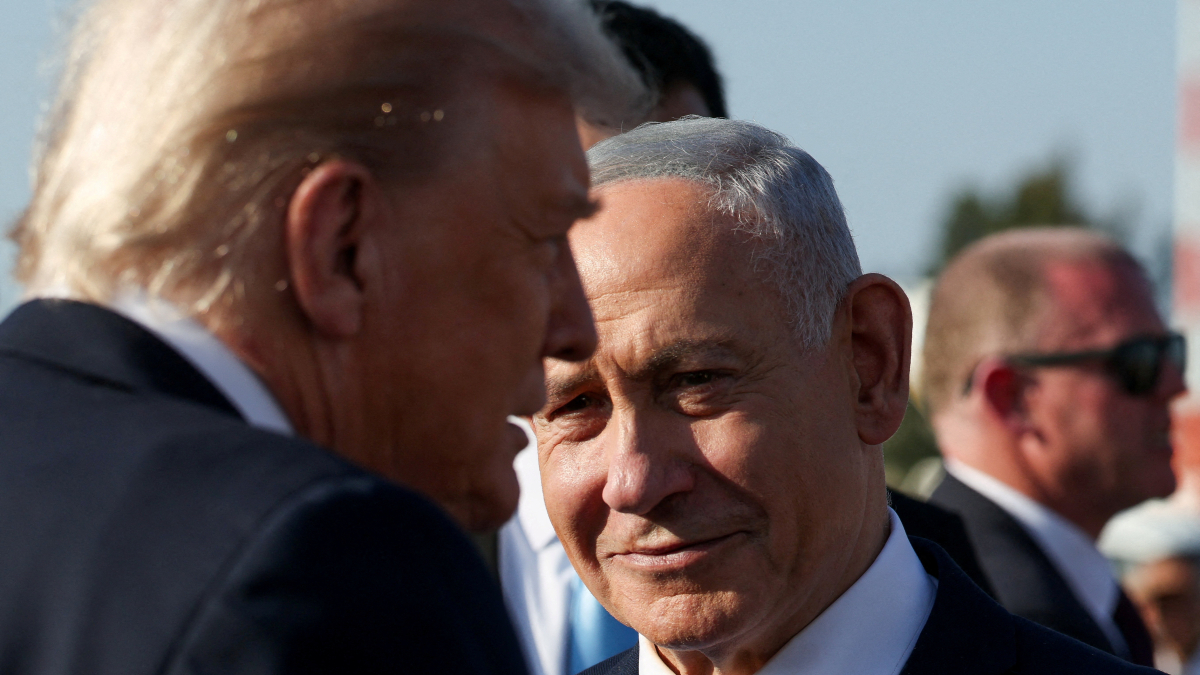
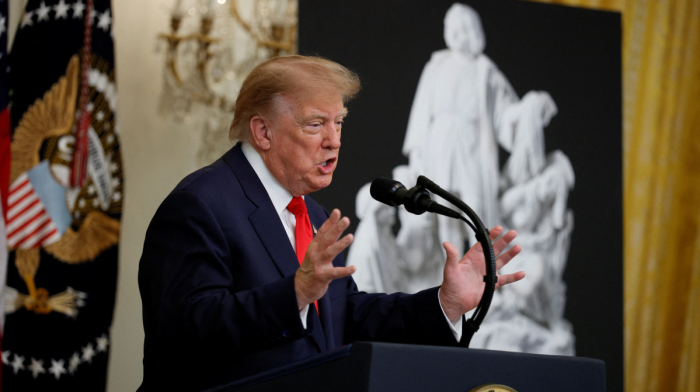
Israeli Prime Minister Benjamin Netanyahu is expected to try to persuade U.S. President Donald Trump to allow strikes on Iran’s missile facilities, when the two meet today in Florida.
Netanyahu sees Iran’s expansion of its ballistic missile programme as a threat and intends to seek either U.S. approval for strikes by the Israeli military or direct involvement by American armed forces.
Iran has previously called Israeli strikes as an act of aggression or violation of international law, threatening retaliation.
The Israeli prime minister will also seek to convince Trump to adopt a tougher stance on the Gaza Strip and to secure guarantees for the forceful disarmament of Hamas units before Israeli troops withdraw from parts of the enclave designated under the second phase of Trump’s peace plan.
It is deemed that Netanyahu is unlikely to achieve his objectives, as the U.S. president is currently focused on avoiding further escalation in the Middle East and continuing to pursue his own peace agenda.
The U.S. has been Israel’s strongest military and political backer throughout the two years of the Gaza war.

Follow the latest developments and global reaction after the United States and Israel launched "major combat operations" in Iran, prompting retaliation from Tehran.
Tensions between the U.S. and Iran are escalating, with Washington ordering a significant military build-up in the region and multiple countries evacuating diplomatic staff amid fears of further instability.
Two people were killed and around 40 injured when a tram derailed in central Milan on Friday (27 February), a spokesperson for the local fire service said.
The United States is expected to deploy six additional aerial refuelling aircraft to Israel as Washington continues to strengthen its military presence in the Middle East while nuclear negotiations with Iran remain under way.
Pakistani air strikes hit a weapons depot on the western outskirts of Kabul overnight, triggering hours of secondary explosions that rattled homes across the Afghan capital and left residents fearing further violence.
A senior Iranian official has warned Israel to “prepare for what is coming”, insisting that Tehran’s response to the latest escalation in the Middle East will be made openly and without limits.
Cuba has released extensive details of a deadly midweek shootout at sea, showing rifles, pistols and nearly 13,000 rounds of ammunition that it says were carried by a group of exiles who attempted to enter the island by speedboat.
Afghanistan’s Taliban rulers said on Friday (27 February) they were ready to negotiate after Pakistan bombed their forces in several Afghan cities, including Kabul and Kandahar, and Islamabad declared the neighbours were now in "open war".
Tensions between the U.S. and Iran are escalating, with Washington ordering a significant military build-up in the region and multiple countries evacuating diplomatic staff amid fears of further instability.
Two people were killed and around 40 injured when a tram derailed in central Milan on Friday (27 February), a spokesperson for the local fire service said.
You can download the AnewZ application from Play Store and the App Store.
What is your opinion on this topic?
Leave the first comment