Kazakhstan offers Germany bigger role in critical minerals supply chains
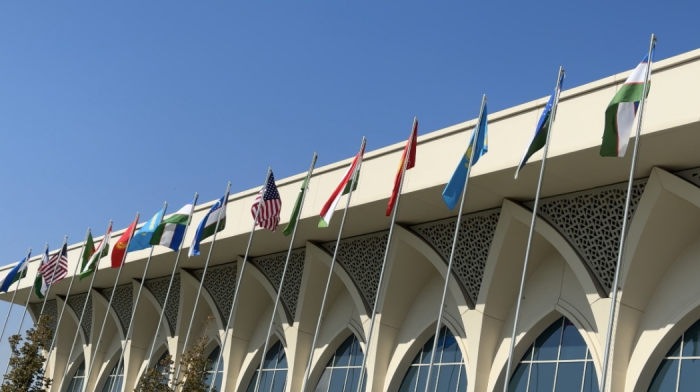
Kazakhstan and Germany have agreed to expand cooperation in critical minerals, industry, energy and transport, with Astana seeking a greater German...
Russian liquefied natural gas (LNG) shipments to China have surged by 1.6 million tonnes in November marking a 143% increase from the same period last year.
As a result, Russia is now the second largest supplier of LNG to China for November, behind Qatar according to latest customs data.
In contrast, Australia slipped on the list due to a decrease in shipments.
Additional volumes have been supported by output from Russia’s Arctic LNG projects, which have been feeding more cargoes into Asian trade routes.
These shipments have helped Russia lift its presence in China’s LNG market despite ongoing Western sanctions on its energy sector.
While Australia remains a major long-term source of gas for China, the latest figures highlight how quickly supplier rankings can change as global energy flows adjust to pricing, logistics and geopolitical pressures.
China, the world’s largest energy consumer, has been steadily diversifying its natural gas sources to reduce reliance on any single supplier and ensure energy security amid global price volatility.
The increase in shipments highlights how over the past two years, Russia is changing how it delivers its energy to customers.
For purchasers of LNG in China, Russian LNG has become a more viable option. The timing of deliveries has been more consistent, and the price of the cargoes have generally been below what they would have paid for alternatives. As such, LNG continues to play a large role in the Chinese energy market.
Traditionally, Australia, Qatar, and other Asian producers dominated China’s LNG imports, but rising demand has opened the door for Russia to expand its presence.
Due to the significant decline in gas sales to Europe, Russian producers have refocused their shipments on products for Asian markets with China being one of the major ports of call.
LNG - shipped via sea, as opposed to pipeline- have allowed flexibility in terms of supply and quick diversion of shipment.

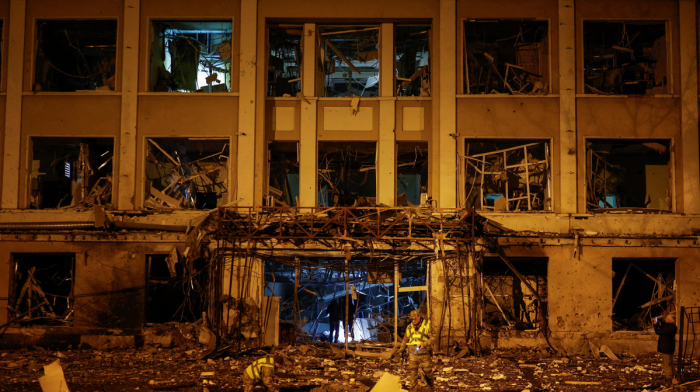
A Russian guided aerial bomb has struck an apartment building in Kharkiv, injuring 22 people, including children, according to the city’s mayor. The strike follows a day of near-continuous Russian attacks across Ukraine that killed at least five people.
Here's your AnewZ Daily Brief for 28 September 2026. These are the top stories making headlines in technology.
Saudi Foreign Minister Prince Faisal bin Farhan has arrived in Washington for talks with U.S. Secretary of State Marco Rubio on bilateral ties and key regional and international developments, Saudi state news agency SPA reported.
Serbia's President Aleksandar Vučić resigned on Sunday, ending his second and final five-year term and paving the way for an early presidential election as the country prepares for a snap parliamentary vote on 25 October.
U.S. President Donald Trump has denied reports that he offered Iran sanctions relief and access to frozen funds in exchange for nuclear concessions.
British Prime Minister Andy Burnham has declared that Brexit has done more harm than good, while reaffirming support for Ukraine and NATO as he used his first Labour conference speech as leader to set out a new direction for Britain.
The arrival in South Korea of two North Korean soldiers captured while fighting for Russia has created a rare legal, diplomatic and humanitarian case, raising questions over their status, security and future.
At midnight on 30 September, the last U.S. troops are due to leave Iraq, ending a military presence that began with the 2003 invasion and cost the lives of around 4,500 American service members.
Here’s your AnewZ Daily Brief for 29 September 2026, with the latest from Azerbaijan, from $10.8 billion in investment deals and Formula 1 drama to diplomacy and preparations for major FIFA tournaments.
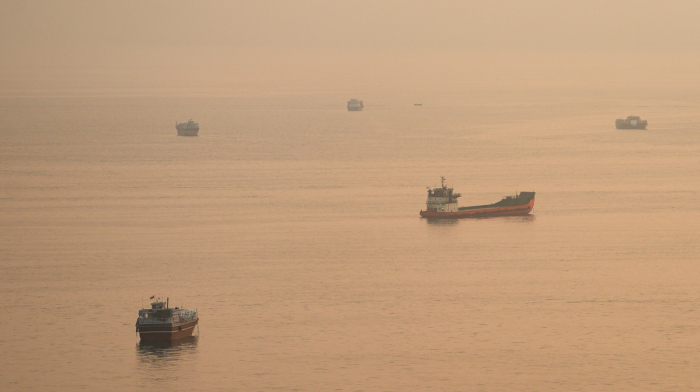
Crude oil exports from major Middle Eastern producers rebounded in September to their highest level since the U.S.-Israeli war on Iran began in late February, according to data from analytics firm Kpler.
You can download the AnewZ application from Play Store and the App Store.
What is your opinion on this topic?
Leave the first comment