Enrique Cocero, a political analyst, recently shared his insights on the escalating tensions surrounding the U.S. seizure of Venezuelan oil tankers.
This issue has sparked a series of confrontations and international condemnations, with Caracas accusing the U.S. of theft and high-handedness, while Beijing also weighed in, condemning the seizures as arbitrary and a violation of international law.
Cocero's analysis provides a deeper understanding of the situation, suggesting that the issue is not merely about oil, but a broader geopolitical move by the United States to assert control over the Pacific region.
The conversation, which took place during an interview with AnewZ’s Andi Mioč, touched on these dynamics and the future of Venezuela's geopolitical stance.
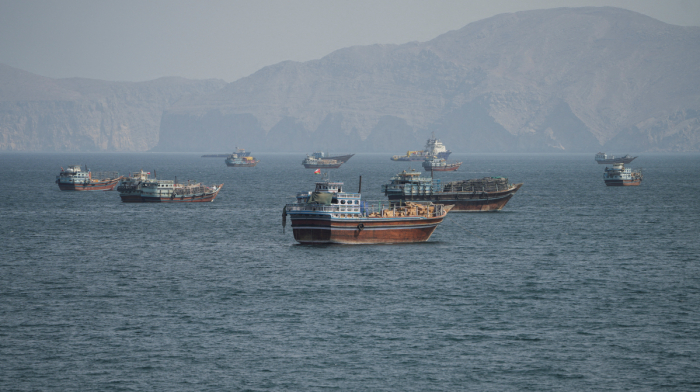
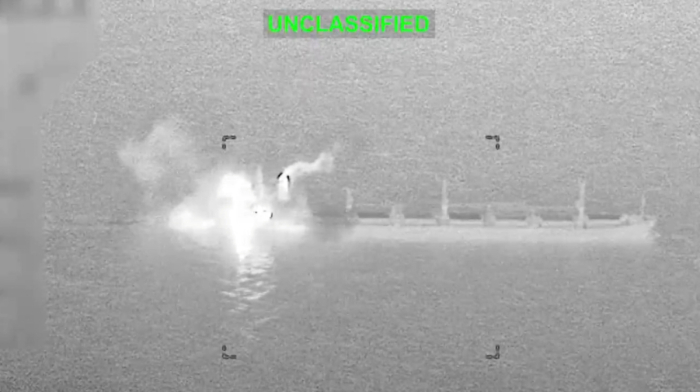
In the interview, Cocero remarked on the growing tensions between the U.S. and Venezuela over the seizures of oil tankers, specifically mentioning the U.S. capture of a second tanker on Saturday.
“This tankers issue we've heard Caracas slamming the U.S. over the theft and hijacking as they put it of a second world tanker on Saturday." Cocero said.
"They said they will file a complaint with the security council of the UN. Beijing chimed in. They called the seizure arbitrary and a serious violation of international law.” he added.
Cocero further elaborated on the U.S. actions, noting that a tanker, the Bella One, was also reportedly being pursued. He provided his analysis of why the U.S. is targeting these tankers, stating:
“I think right now there is a third one called Bella One. It is my understanding that is being pursued in this very moment and it's putting a lot of pressure into Maduro's government and into Maduro himself.
He also called it an attempt of Donald Trump and the U.S. government to claim not only whatever interest they have in Venezuela but also the control of the Pacific Ocean.
In his assessment, Cocero suggested that the geopolitical strategy behind these actions was more about the U.S. asserting its influence over the Pacific region, which he sees as a critical point of concern for the U.S. government.
He continued "And if they can control all the way down from the west coast of the U.S. till Chile, which is going to be a very safe place for the U.S. with the new government to come, I think that this is not only a question of oil.
"We always like to blame oil for everything, but more than geopolitical concern in order to control as much of the Pacific Ocean as they can.”
The Future of Venezuela: Cocero's Insights into 2026
Later in the interview, Andi Mioč steered the conversation back to the situation in Venezuela, asking Cocero about how he sees the situation evolving into 2026.
Cocero said, “This doesn't go along with the year and for the geopolitical scenario, the way we measure time in months is not gonna be or in years is not gonna be an issue here.
I think climate is gonna be very stable in the area and the U.S. are gonna it's gonna try to proceed and seize more Venezuelan oil tankers with the excuse that they belong to this dark fleet of oil tankers trying to avoid embargo.”
He added that the situation is ultimately about time and endurance, especially concerning Venezuelan President Nicolás Maduro. Cocero noted that Maduro’s political strategies are increasingly becoming inconsistent, with him vacillating between calls for peace and gestures of defiance.
Cocero's insights reflect the complexities of the ongoing political and economic tensions between the U.S. and Venezuela.
He suggests that the U.S. strategy is less about oil and more about asserting control over the Pacific region, especially in light of Venezuela’s increasing ties with China.
Despite the ongoing geopolitical friction, Cocero believes the key question is how long Maduro will continue to resist, navigating a path between calls for peace and acts of defiance.









What is your opinion on this topic?
Leave the first comment