International oil prices rose sharply on Wednesday after U.S. President Donald Trump ordered a “total and complete blockade” of all U.S.-sanctioned oil tankers entering and leaving Venezuela.
The move significantly upped the geopolitical risk to global energy markets with West Texas Intermediate for January delivery rising 1.21 per cent to settle at 55.94 U.S. dollars a barrel on the New York Mercantile Exchange.
Brent crude for February delivery gained 1.29 per cent, ending the session at 59.68 dollars a barrel on the London ICE Futures Exchange.
President of Venezuela Nicolas Maduro however insisted that Venezuela would continue trading its oil.
“Our oil and all our natural wealth belong to their only legitimate owner — our sovereign people of Venezuela,” Maduro said, citing the country’s constitution and the legacy of Simón Bolívar.
Caracas had previously condemned the seizure of vessels as “acts of state piracy” and demanded the return of crews and cargoes.
Supporters of President Maduro protested the U.S. oil measures in Caracas, denouncing them as economic aggression and a violation of international law.
President Trump defended the blockade as part of a broader strategy to recover U.S. assets and curb illicit funding to the Maduro regime, accusing Venezuela of using oil revenues to finance criminal activities, including drug trafficking and human trafficking.
Trump’s administration has also designated elements of the Venezuelan leadership as a foreign terrorist organisation, broadening the legal basis for sanctions enforcement.
“We’re getting land, oil rights, whatever we had. They took it away because we had a president that maybe wasn’t watching,” Trump told reporters, “They threw our companies out and we want it back.”
Meanwhile, Caracas has requested an emergency meeting of the UN Security Council to address what it describes as ongoing U.S. aggression.
A UN diplomat said a meeting would likely be scheduled for next Tuesday (23 December).
The blockade follows recent U.S. actions, including the seizure of the oil tanker M/T Skipper off Venezuela’s coast, which was carrying heavy crude in violation of U.S. sanctions, marking the first such seizure since 2019.
Reuters reported that over 30 sanctioned vessels operating near Venezuelan waters now face potential interception.
Meanwhile, Russia publicly expressed concern, warning the U.S. against making a “fatal mistake” and reaffirming support for Caracas, highlighting broader geopolitical tensions in the Western Hemisphere.
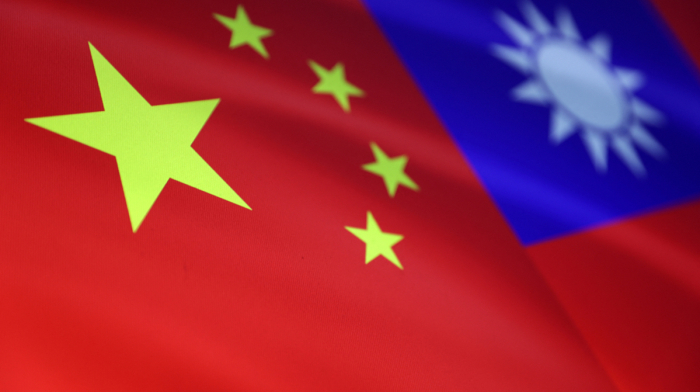
Beijing also reiterated its support for the Maduro led administration on Thursday 18 December in a phone call between Chinese Foreign Minister Wang Yi and Venezuelan counterpart Yvan Gil,
Wang asserts China’s support for Venezuela in safeguarding its sovereignty, national dignity and right to independent development, while stressing Beijing’s opposition to unilateral sanctions and what it views as external interference.
Despite the immediate price rally, industry analysts caution that global oil markets may not face major supply disruptions unless Venezuelan output falls further or enforcement expands, as alternative supplies remain ample and sanctioned exports are a fraction of world demand.








What is your opinion on this topic?
Leave the first comment