China tightens Communist Party oversight of tech firms and digital finance
China’s ruling Communist Party is stepping up oversight of technology firms, internet platforms and digital finance in a sweeping drive to ta...
The United States and Venezuela have been jamming GPS signals in parts of the Caribbean, raising safety concerns for civilian air and maritime traffic, as tensions between the two countries escalate, according to The New York Times.
The standoff between U.S. President Donald Trump and Venezuelan President Nicolás Maduro has reportedly triggered an increase in electronic warfare across the region. Some U.S. warships deployed to the Caribbean in recent months have been jamming GPS signals in their vicinity, according to an anonymous U.S. official and data analysed by Stanford University.
In retaliation, Venezuela’s armed forces have also blocked positioning signals around critical infrastructure, including military bases, oil refineries, and power plants, viewing the measure as a response to mounting U.S. military pressure.
Experts note that the simultaneous use of jamming tactics by both countries has intensified the range and impact of the interference, potentially disrupting GPS signals used for civilian transportation.
The Trump administration maintains that its naval deployments, including the aircraft carrier USS Gerald R. Ford, are intended to counter drug trafficking operations allegedly orchestrated by the Venezuelan government.
Iranian parliament speaker Mohammad Bagher Ghalibaf says the U.S. must act to prevent war after Tehran sent a “strong and rational response” to Washington. Meanwhile, U.S. forces have reportedly carried out limited strikes against Iranian targets, including Qeshm Island,
Hundreds of millions of U.S. citizens head to the polls on 3 November to elect the House of Representatives and Senate. How they vote could influence the direction of Donald Trump’s remaining 26 months in office and the outcomes of the Ukraine and Iran conflicts.
A six-day humanitarian ceasefire in the Russian-held Ukrainian town of Oleshky ended on Sunday, 1 November, after facilitating aid deliveries and civilian evacuations.
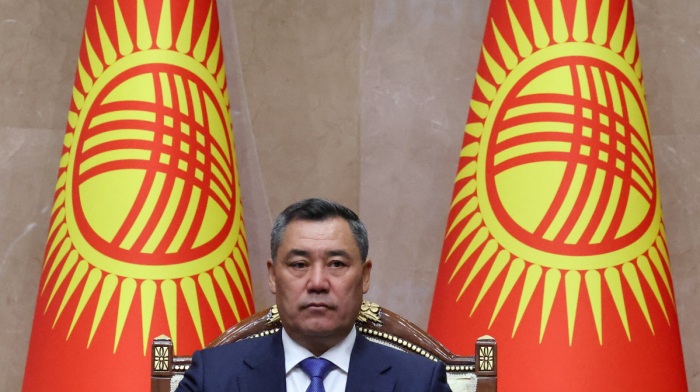
Kyrgyzstan has emerged as Central Asia’s fastest-growing economy, fuelled by a construction boom, public investment and trade linked to Russia. But with Western sanctions tightening, can the country sustain its rapid growth?
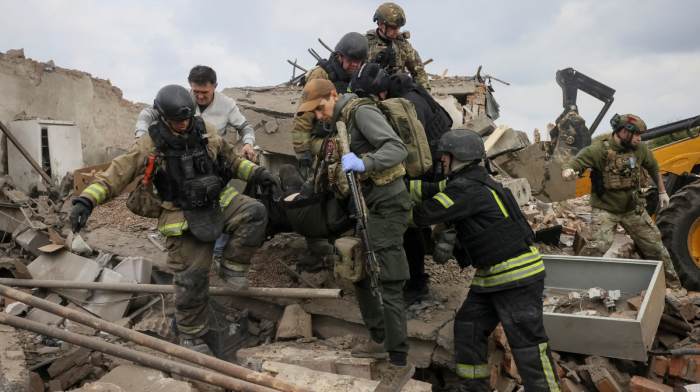
Russia airstrikes on a school used as a humanitarian aid distribution point in southeastern Ukraine's Zaporizhzhia region killed at least 26 people, including rescue workers and police officers, Ukrainian officials said. Another 27 people were reported missing.
China’s ruling Communist Party is stepping up oversight of technology firms, internet platforms and digital finance in a sweeping drive to tackle corruption and tighten control over the country’s rapidly evolving digital economy.
A wave of bomb threats targeting passenger flights has disrupted air travel across Europe, forcing diversions, airport closures and fighter jet escorts. No explosives have been found, raising questions about who is behind the alerts and whether the disruption itself is the goal.
U.S. President Donald Trump says Washington will end its annual financial and military aid to Israel by the end of 2026, under an agreement he claims to have reached with Israeli Prime Minister Benjamin Netanyahu.
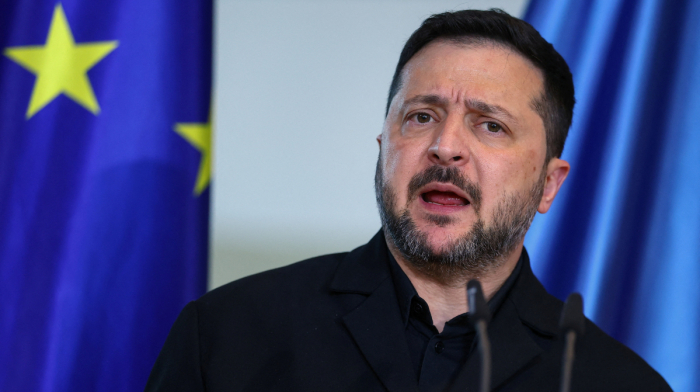
Volodymyr Zelenskyy has confirmed that Ukraine's negotiators will meet with Russian and U.S. delegations in Abu Dhabi next week for the first peace talks mediated by Washington since February.
Spanish police are investigating the death of Tenerife striker Jesús de Miguel, who died after a collision with an opposing goalkeeper during a second-division football match. The case raises questions about when an on-field challenge can become a criminal offence.
You can download the AnewZ application from Play Store and the App Store.
What is your opinion on this topic?
Leave the first comment