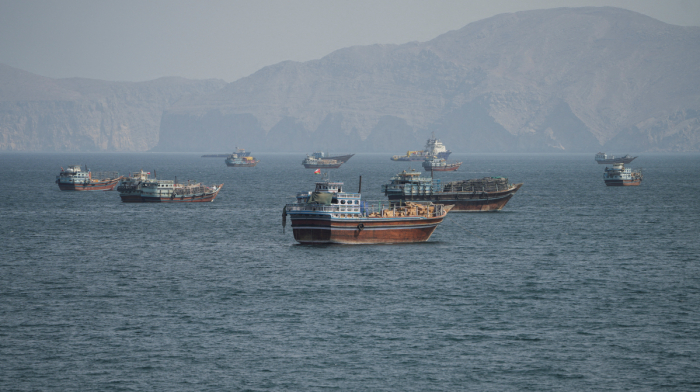
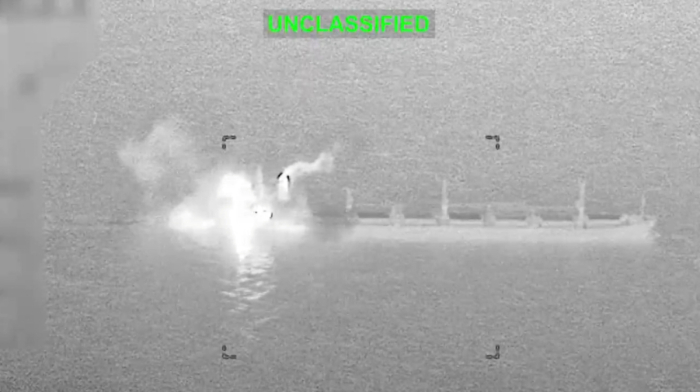
The ongoing U.S. military actions against vessels in Latin American waters are raising alarm both regionally and internationally.
According to experts, the attacks, which have taken place in both Atlantic waters in the Caribbean and Pacific waters near Colombia, have already claimed the lives of approximately 100 civilians since September. Yet, detailed information about these strikes remains scarce.
Originally, U.S. officials claimed these operations aimed to intercept and eliminate drug traffickers. However, recent actions appear to have no clear explanation, and members of the public have limited access to the intelligence guiding these operations. As Professor Ivani Vassoula of the State University of New York explained, there is no publicly available evidence linking Venezuelan President Nicolás Maduro directly to day-to-day drug trafficking operations, despite U.S. assertions.
“The potential for destabilisation is significant,” Vassoula warned. “The military presence in South America, particularly in international waters, could generate instability across the entire region, especially regarding trade.” She cited the seizure of Venezuelan oil tankers and the so-called U.S. blockade as disrupting maritime operations, preventing resources from entering or leaving the country. The impact is being felt not only in neighbouring countries such as Colombia and Brazil but also globally, as oil prices rise and major Venezuelan oil importers, including China, face potential disruptions.
Vassoula also highlighted the humanitarian dimension of the crisis, noting the growing migration of Venezuelans fleeing their country, crossing borders into Brazil and other neighbouring nations.
Venezuelan society remains deeply divided. While there are groups supporting President Maduro, an influential opposition also exists, led by figures such as Maria Corina Machado, a recent Nobel Peace Prize laureate. However, even the opposition has voiced opposition to direct U.S. military intervention, warning it could result in severe loss of life and economic damage.
The trajectory of U.S. actions remains uncertain. Recent statements by former President Donald Trump indicate an intention to recover U.S. assets confiscated by Venezuela over previous years, particularly in the oil sector. Analysts suggest that such actions could be part of broader efforts to promote regime change, although the timing and nature of any intervention remain unclear.
Calls have been made for the United Nations Security Council to address the situation, though approval of any resolution is considered challenging. Meanwhile, concern is mounting within the U.S., including in Congress and even among Republicans, over the lack of clarity regarding these strikes and the potential consequences for regional stability.
As the situation develops, the international community continues to watch closely, weighing the economic, political, and humanitarian impacts of ongoing U.S. operations in Venezuelan waters.








What is your opinion on this topic?
Leave the first comment