




23:25 CET
Nigeria confirms Ebola case in Abuja
Nigerian health authorities have confirmed a case of Ebola disease in the Federal Capital Territory (FCT)...


Oil prices are rising worldwide as investors assess supply risks linked to growing tensions between the United States and Venezuela after the former seized an oil tanker Skipper on 10 December, a move Caracas calls “international piracy”.
Concerns have intensified after the seizure as U.S signaled further action against vessels carrying the country’s crude, moves that could deepen the sharp decline in Venezuela’s exports.
Reduced shipments are also cutting into the government’s primary source of hard currency, increasing pressure on public spending and political stability.
Venezuela condemned the seizure as “international piracy” and promised to appeal to international bodies. The U.S. aims to prevent Venezuela from exporting oil to markets like China, which continue to support President Nicolás Maduro, while also targeting revenue that funds the government.
Globally, Venezuela counts on strong support from Russia, China, Cuba and Iran. Russia is its closest ally, offering diplomatic backing and criticising U.S. military operations.
China and Iran are economic and political partners, emphasising mutual trust and growing cooperation.
In contrast, most Latin American countries are cautious. While some, like Cuba, openly defend Maduro, others, including Colombia, the Dominican Republic, and Trinidad and Tobago, have aligned with the U.S. in varying degrees, allowing military operations or cooperating on security measures.
Regional responses are careful and measured, focusing on dialogue, respect for international law, and in some cases, the promotion of democratic processes in Venezuela.
The tension highlights the delicate balancing act in Latin America. Neighboring countries seek to avoid direct confrontation while navigating pressures from Washington and Caracas.
Analysts warn that the situation could have lasting effects on regional stability and Venezuela’s domestic economy, especially as oil revenues are threatened.
The U.S. Treasury announced additional sanctions on individuals close to President Nicolás Maduro, companies involved in oil transport, and multiple supertankers On 11 December.
U.S. Secretary of State Marco Rubio spoke with Syrian Foreign Minister Asaad al-Shibani regarding broader counterterrorism cooperation and confirmed the U.S. commitment to preventing Venezuela from circumventing sanctions and exporting crude to supporting markets.
Maritime law experts note that seizing a vessel is not automatically considered piracy if conducted under valid court orders, involves sanctioned entities, or concerns ships without a lawful flag.
Washington appears to be relying on these legal frameworks to justify the operation, while Caracas continues to contest its legitimacy and plans to appeal to international bodies.
The escalation underscores the delicate balancing act in Latin America, as neighboring states navigate pressure from both Washington and Caracas.
Analysts warn that sustained restrictions on Venezuelan oil exports could have ripple effects on regional stability and the global energy market, heightening uncertainty for oil-importing nations.
For now, the U.S.–Venezuela confrontation appears less focused on immediate regime change and more oriented toward long-term economic attrition.
By constraining Maduro’s revenue streams and signaling risks to third-party actors, Washington is attempting to limit Venezuela’s strategic options while preparing for a protracted period of tension that may extend beyond bilateral relations.

Nigerian health authorities have confirmed a case of Ebola disease in the Federal Capital Territory (FCT)...
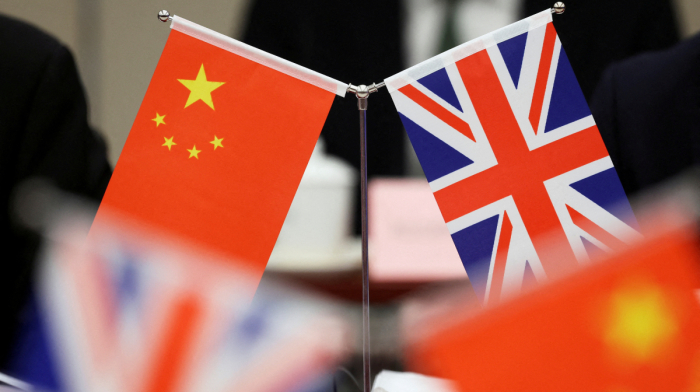
China has lodged a formal diplomatic protest with the UK after British border officials allegedly subjected Chinese travellers to lengthy questioni...
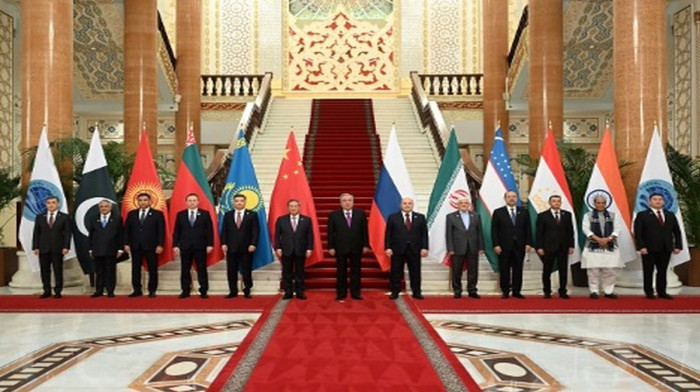
Member states of the Shanghai Cooperation Organisation (SCO) prevented 273 terrorist attacks and more than 3,000 crimes linked to terrorism, separa...
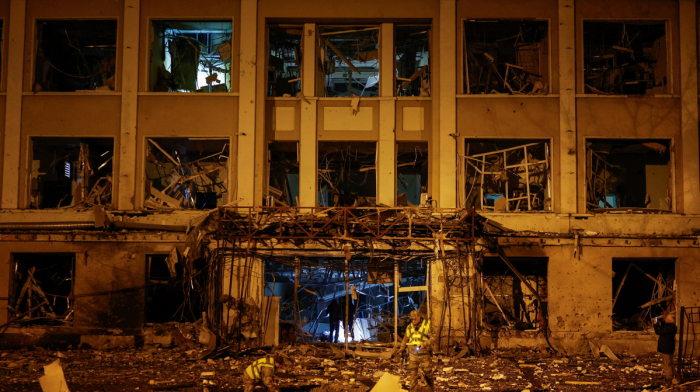
U.S. President Donald Trump has criticised Ukrainian President Volodymyr Zelenskyy for continuing to target Russia's energy infrastructure, while Russian strikes on Kyiv overnight killed at least one person and damaged a metro station.
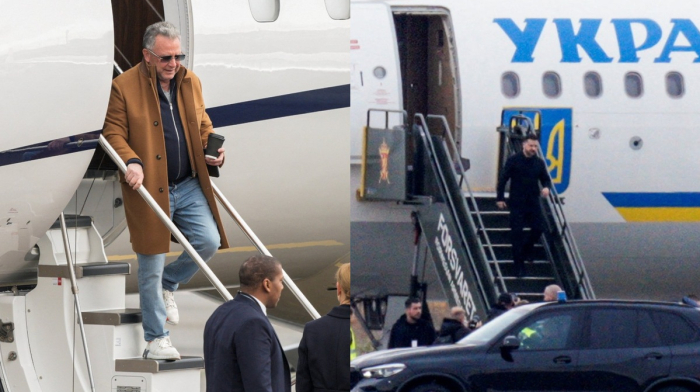
Ukrainian President Volodymyr Zelenskyy has arrived in Norway for talks about the Russia-Ukraine war. He is expected to meet with U.S. President Donald Trump's Special Envoy Steve Witkoff, who arrived in Oslo earlier. Witkoff will also meet European officials.
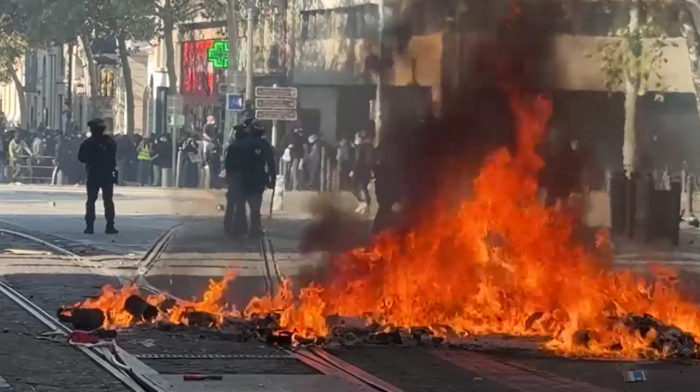
French President Emmanuel Macron has condemned the violence, looting and vandalism that erupted during cost-of-living protests across France. Prime Minister Sébastien Lecornu held crisis talks on Monday, calling for partial curfews and raising the possibility of a state of emergency.
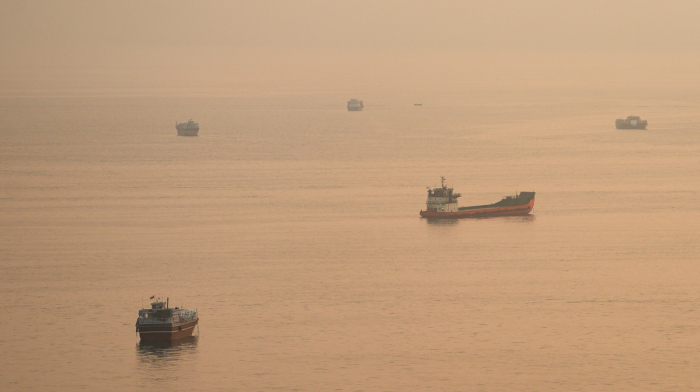
An oil tanker caught fire after striking a naval mine in the southern part of the Strait of Hormuz, Iran’s Islamic Revolutionary Guard Corps (IRGC) Navy said late Sunday.
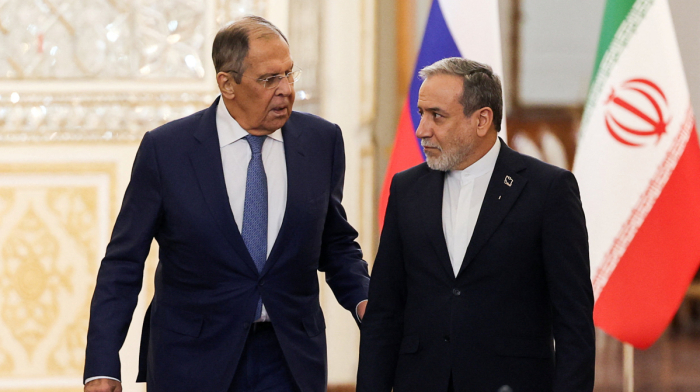
Iranian Foreign Minister Abbas Araghchi said regional issues should be resolved through diplomacy and blamed the United States for insecurity and tensions in the Strait of Hormuz, speaking at a joint news conference with Russian Foreign Minister Sergey Lavrov on Monday.
Nigerian health authorities have confirmed a case of Ebola disease in the Federal Capital Territory (FCT), prompting the activation of emergency public health measures aimed at preventing further transmission of the deadly virus.
China has lodged a formal diplomatic protest with the UK after British border officials allegedly subjected Chinese travellers to lengthy questioning and seized personal electronic devices, including phones, laptops and smartwatches.

More than 150 people have been killed in a drone strike on a crowded market in the disputed Abyei region, South Sudanese officials said, marking one of the deadliest attacks linked to Sudan's civil war since it began in April 2023.
Ukrainian President Volodymyr Zelenskyy has arrived in Norway for talks about the Russia-Ukraine war. He is expected to meet with U.S. President Donald Trump's Special Envoy Steve Witkoff, who arrived in Oslo earlier. Witkoff will also meet European officials.
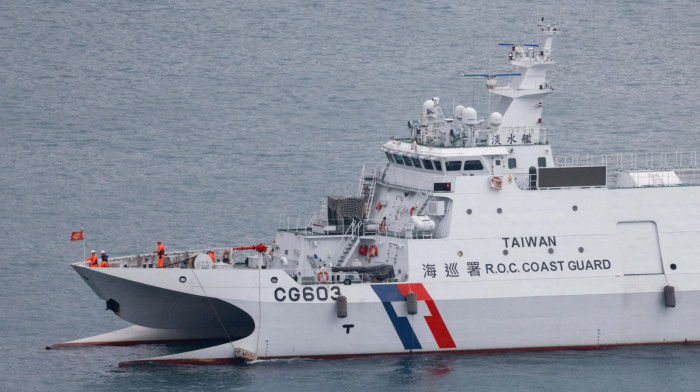
Beijing says it deployed naval forces to monitor a U.S. warship near Sabina Shoal, while Taiwan reports a separate confrontation with a Chinese coast guard vessel near the Pratas Islands.
You can download the AnewZ application from Play Store and the App Store.




What is your opinion on this topic?
Leave the first comment