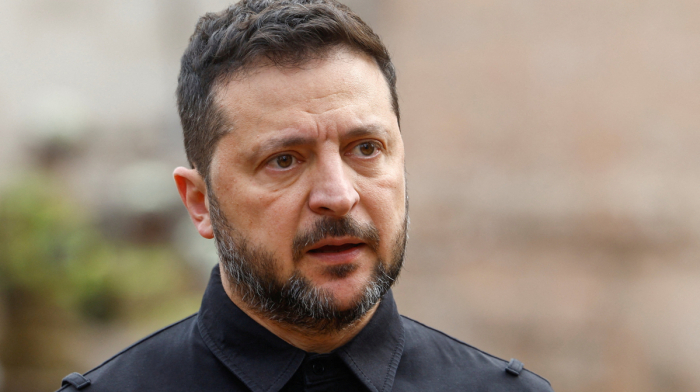
Zelenskyy visits Poland after EU summit in Brussels
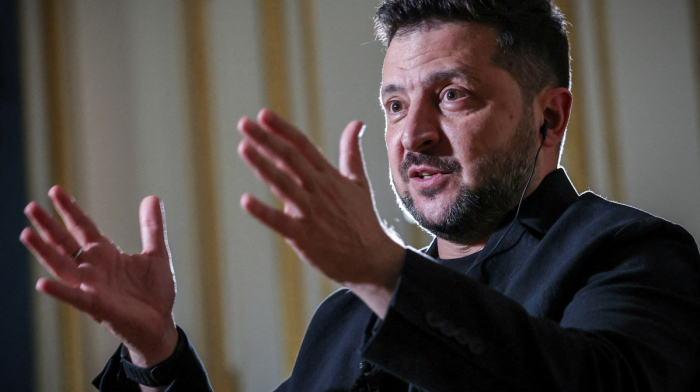
Ukrainian President Volodymyr Zelenskyy arrived in Poland on Thursday following a summit of the European Council in Brussels....
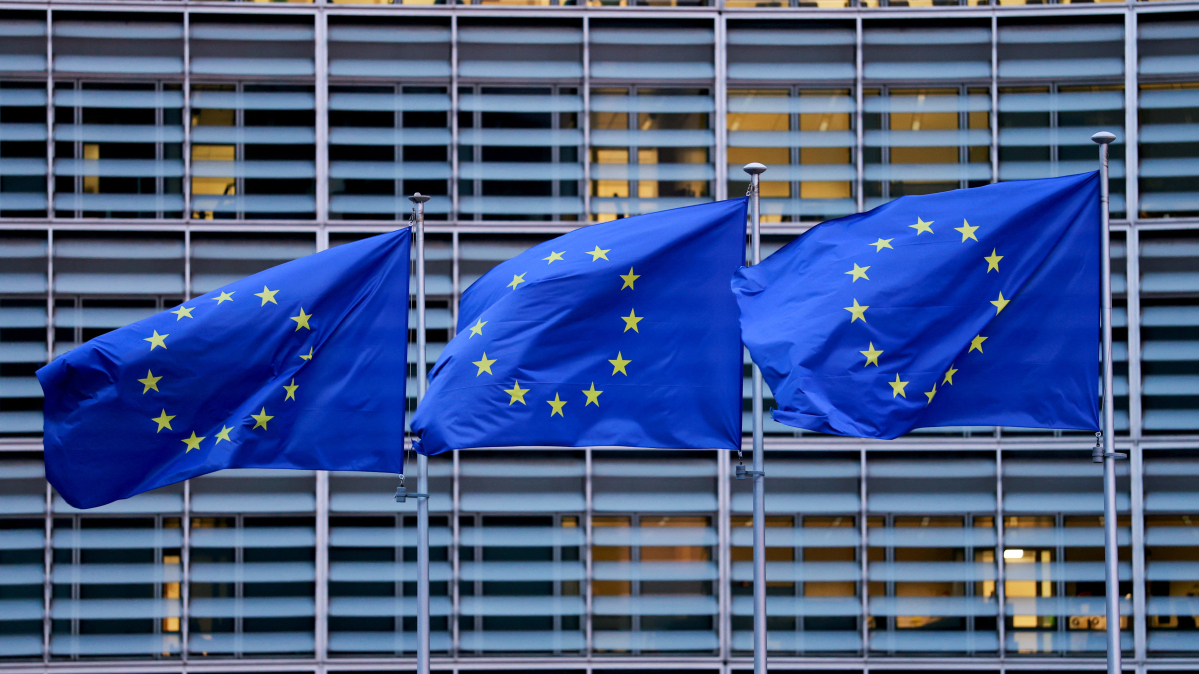
European Union leaders on Thursday denounced a wave of hybrid attacks against the bloc, attributing them to Russia and Belarus, and called for stronger measures to protect critical infrastructure and enhance resilience.
In conclusions issued during an ongoing summit in Brussels, the European Council emphasised the need to prevent, deter, and respond to threats ranging from cyberattacks and disinformation to infrastructure sabotage. Leaders warned that these activities, coupled with the ongoing war in Ukraine, continue to pose a serious challenge to both European and global security.
“The European Council strongly condemns all recent hybrid attacks against the European Union and its Member States,” the statement read. It added that the EU is ready to deploy all relevant tools, including additional restrictive measures against Russia and Belarus if necessary.
The summit also reviewed European defence initiatives, including boosting readiness, reducing reliance on external suppliers, and addressing critical capability gaps. Leaders stressed that strengthening collective security remains a top priority.
Middle East concerns
The Council addressed the Middle East, urging all parties to implement UN resolutions and stabilise the security situation in Gaza. Leaders reaffirmed support for a two-state solution, under which Israel and Palestine coexist within recognised and secure borders, and called for unobstructed humanitarian aid delivery throughout Gaza.
On Syria, EU leaders reiterated support for a peaceful, inclusive transition, stressing respect for the country’s sovereignty and territorial integrity while warning against foreign interference one year after the fall of the Assad regime.

The latest clashes between Thailand and Cambodia mark a dangerous escalation in one of Southeast Asia’s oldest and most sensitive disputes.
In the complex world of international diplomacy, the ongoing tensions between India and Pakistan have raised significant questions about the role of third-party mediation.
Police in Australia have charged a man who allegedly opened fire on a Jewish event on Sydney's Bondi Beach with 59 offences, including 15 counts of murder and one of committing a terrorist act.
FIFA has introduced a new “more affordable” ticket category for the 2026 World Cup, priced at $60 (£45) for all 104 matches in the U.S., Canada, and Mexico, according to agencies.
Petroleum products are being transported by rail from Azerbaijan to Armenia for the first time in decades. The move is hailed as a tangible breakthrough in efforts to normalise relations between the long-time rivals.
Brazilian President Luiz Inácio Lula da Silva has offered to mediate between the U.S. and Venezuela, warning that urgent diplomatic intervention is needed to prevent a “fratricidal war” in Latin America.
Türkiye has enhanced its environmental and cultural conservation efforts, registering 10,503 monumental trees and 319 caves nationwide, the Ministry of Environment, Urbanisation and Climate Change confirmed.
Former Iraqi President Barham Ahmed Salih has been elected by the UN General Assembly as the next High Commissioner for Refugees, beginning a five-year term on 1 January 2026.
Ukrainian President Volodymyr Zelenskyy arrived in Poland on Thursday following a summit of the European Council in Brussels.
Russian Foreign Minister Sergey Lavrov arrived in Cairo on Thursday ahead of a two-day ministerial conference of the Russia-Africa Partnership Forum.
You can download the AnewZ application from Play Store and the App Store.
What is your opinion on this topic?
Leave the first comment