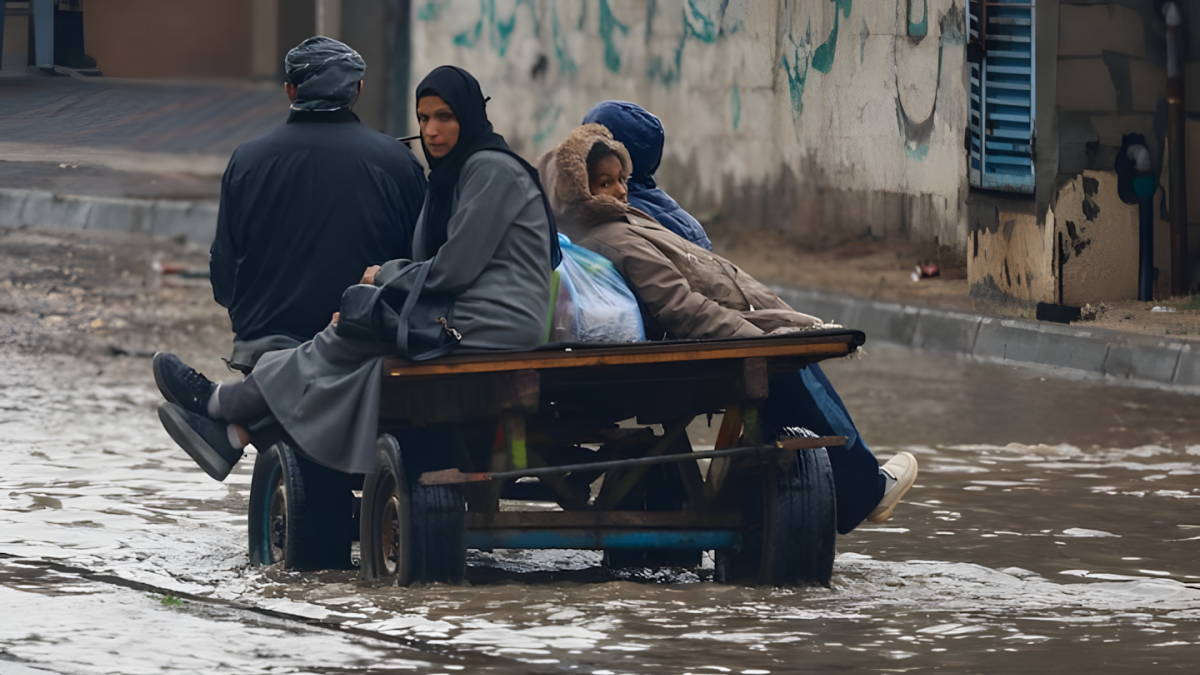
A fresh humanitarian emergency is unfolding across the Gaza Strip as torrential winter rains batter fragile encampments, leaving thousands of civilians vulnerable just months after the October ceasefire.
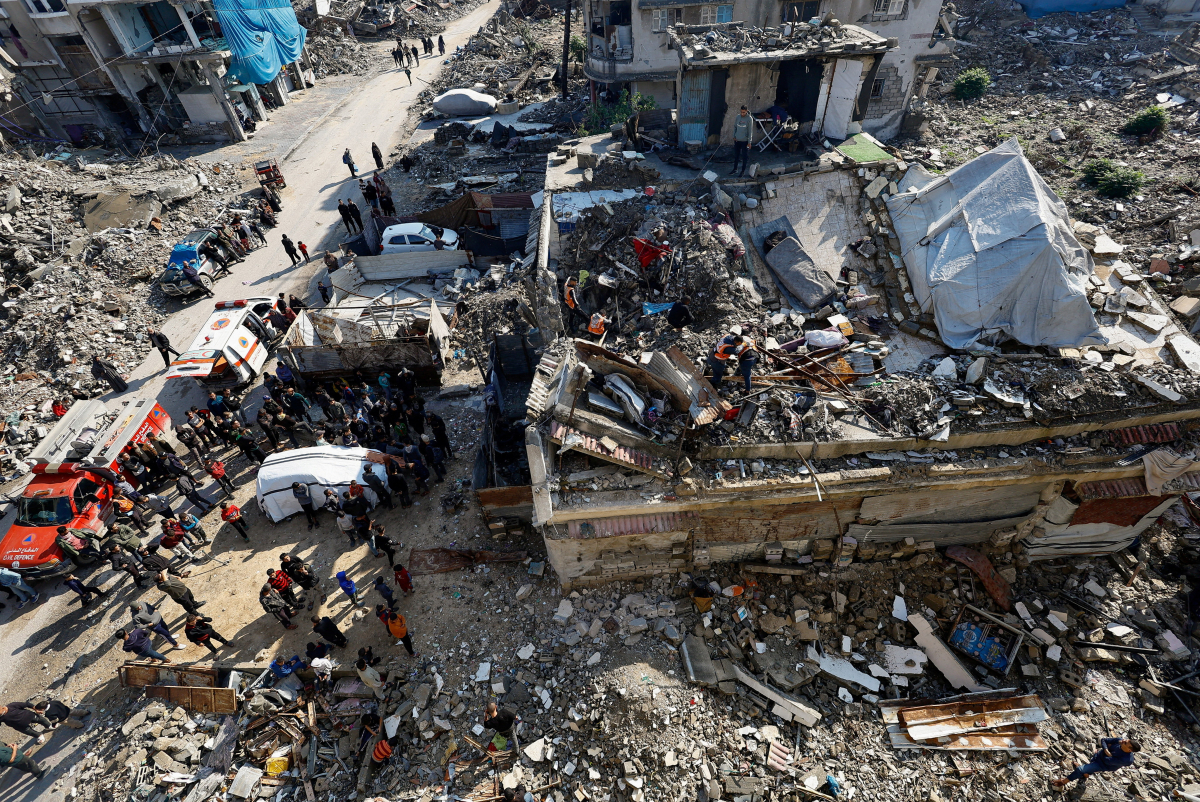
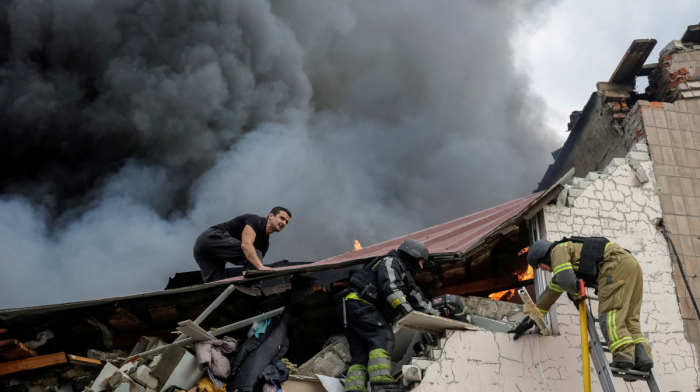
Extreme weather is exacerbating the suffering of the displaced population, while the region attempts to recover from the conflict.The International Civil Defence Organization confirmed on Tuesday that one Palestinian man was killed and several others injured when a residential building, already weakened by previous bombardments, partially collapsed under the weight of heavy downpours.
They say the arrival of severe winter weather has exposed the fragility of Gaza’s decimated infrastructure as thousands of makeshift tents housing displaced families have been flooded or completely destroyed by gale-force winds.
Officials also say that the crisis extends to critical health facilities. Operations at Al-Shifa Hospital—the strip’s largest medical complex, have faced major disruptions due to flooding, further hindering the ability of medics to treat patients.
Local authorities have issued urgent warnings that thousands of residential buildings, left structurally unsound by Israeli airstrikes during the war, are now at imminent risk of collapse. Officials describe a scene of widespread devastation, with sewage systems overflowing into flooded streets, creating a severe public health hazard.
Pattern of destruction
A lethal weather system struck the Strip last week, claiming at least 14 lives and destroying temporary shelters that have become permanent homes for many. Data indicates that more than 53,000 tents were damaged or destroyed in that single event, alongside the collapse of 13 buildings.
Currently, nearly 250,000 families remain in precarious displacement camps according to agencies. Aid workers report that these families are facing freezing temperatures without adequate heating, proper clothing, or dry shelter.
Aid standoff
Despite the urgent need for reinforcement materials, temporary housing units, and repair equipment, the flow of international assistance remains a point of contention.
The International Civil Defence Organisation notes that access to humanitarian aid continues to be heavily restricted, despite the cessation of hostilities agreed upon in October. The United Nations and various international NGOs have warned that relief efforts are on the brink of failure. They point to significant bureaucratic hurdles, specifically accusing Israeli authorities of enforcing a "vague and politicised" registration process for international aid organisations that delays the delivery of essential supplies.
Israeli officials maintain that they are fully complying with the terms of the ceasefire agreement and that security protocols remain necessary.
Local officials are calling for immediate international intervention to facilitate the entry of machinery and materials needed to repair essential services before the death toll rises further.














What is your opinion on this topic?
Leave the first comment