Far-right Republican Party candidate Jose Antonio Kast has won Chile’s presidential runoff election, official results showed, defeating Communist Party contender and former labour minister Jeannette Jara. Kast secured more than 58% of the vote, while Jara received around 42%.
Jara conceded defeat, stating that "democracy spoke loud and clear," and confirmed via a post on X that she had spoken to Kast to wish him well.
Kast’s campaign spokesman, Arturo Squella, declared victory from the party headquarters in Santiago, saying, “We are very proud of the work we've done. We feel very responsible for this tremendous challenge of taking charge of the crises that Chile is going through.”
In his victory speech, Kast vowed to bring about “real change,” emphasising law and order. “Without security, there is no peace. Without peace, there is no democracy, and without democracy there is no freedom, and Chile will return to be free of crime, anxiety and fear,” he said.
Voting in the runoff was compulsory for the first time in over a decade, with around 15.8 million people eligible to cast ballots. Kast is set to take office in March 2026. US Secretary of State Marco Rubio congratulated Kast on X, stating: “The United States looks forward to partnering with his administration to strengthen regional security and revitalize our trade relationship.”
Security and Migration Top Voter Concerns
Sunday’s vote marked Kast’s third bid for the presidency. The 59-year-old campaigned on a tough-on-crime and anti-migrant platform, promising to bring unity to what he described as a highly polarised country.
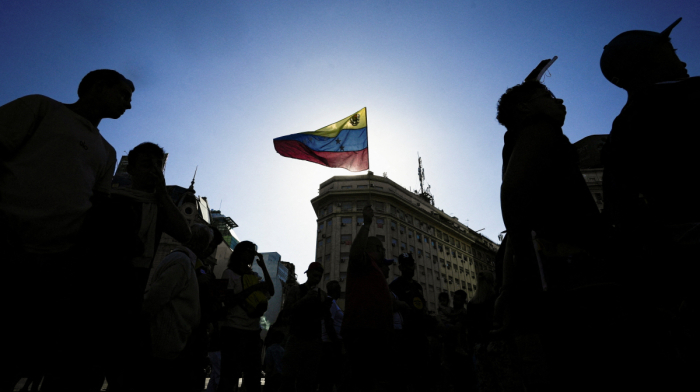
Once considered one of Latin America’s safest and most prosperous nations, Chile has been shaken in recent years by the Covid-19 pandemic, violent social protests, and rising organised crime. Recent polls indicate that more than 60% of Chileans see security as the most pressing issue, outweighing economic, healthcare, and education concerns. Authorities have attributed the rise in crime in certain areas to gangs linked to Venezuela, Peru, Colombia, and Ecuador.
Migration was also a key issue during the campaign, with migrants now making up roughly 10% of Chile’s population. Many have fled violence and poverty in other South American countries, particularly Venezuela. Kast has pledged to secure Chile’s borders, deport migrants without legal status, and build new prisons.
Kast has taken a hardline stance on social issues as well, opposing abortion without exception and expressing support for former military ruler Augusto Pinochet, who governed Chile from 1973 to 1990.
As Chile prepares for Kast’s inauguration in March, his administration is expected to focus on law and order, immigration control, and implementing his campaign promises to address what he describes as the country’s security and social crises.
















What is your opinion on this topic?
Leave the first comment