Belarus has released 123 prisoners, including Nobel Peace Prize winner Ales Bialiatski and opposition leader Maria Kalesnikava, following an agreement with the United States to ease sanctions on the country’s potash exports.
The move comes as President Alexander Lukashenko seeks to improve ties with Washington. In exchange for sanctions relief, Minsk pardoned the prisoners, the Belarusian state news agency Belta reported. The U.S. announced on Saturday (13 December) the lifting of restrictions on Belarusian potash, a key fertiliser export. The release is the largest under Lukashenko since Trump’s administration opened talks this year.
John Coale, U.S. special envoy for Belarus, described the two-day talks in Minsk as “very productive,” saying that normalising relations was “our goal.” Coale added that discussions included regular dialogue, prisoner releases, and moving the relationship from “baby steps to more confident steps.” He said around 1,000 remaining political prisoners could be released in the coming months, and if all were freed, most of the sanctions could be removed.
Nine of the released prisoners left Belarus for Lithuania, while 114 were taken to Ukraine, officials said.
Nobel laureate Bialiatski and opposition leader Kalesnikava speak out
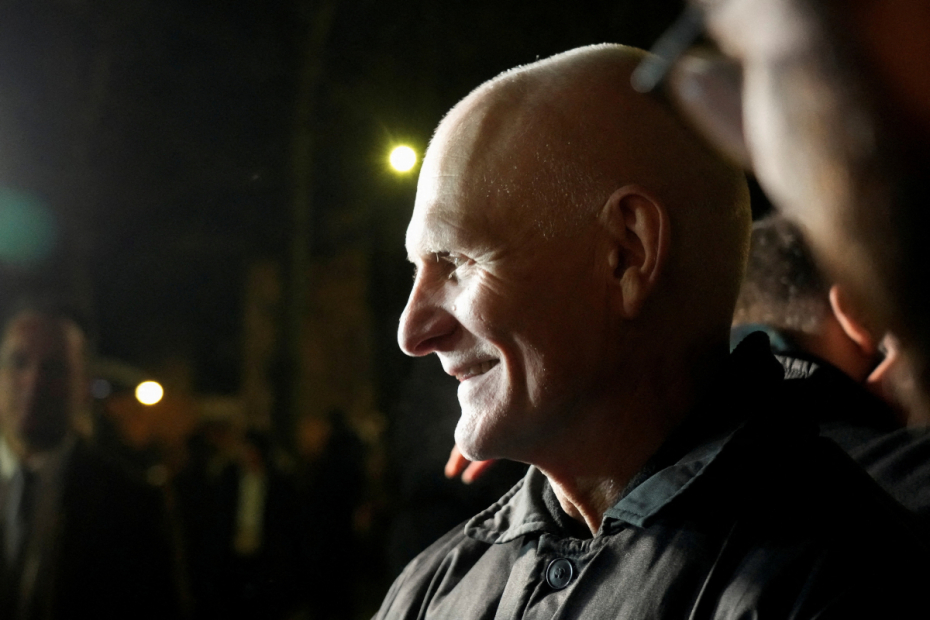
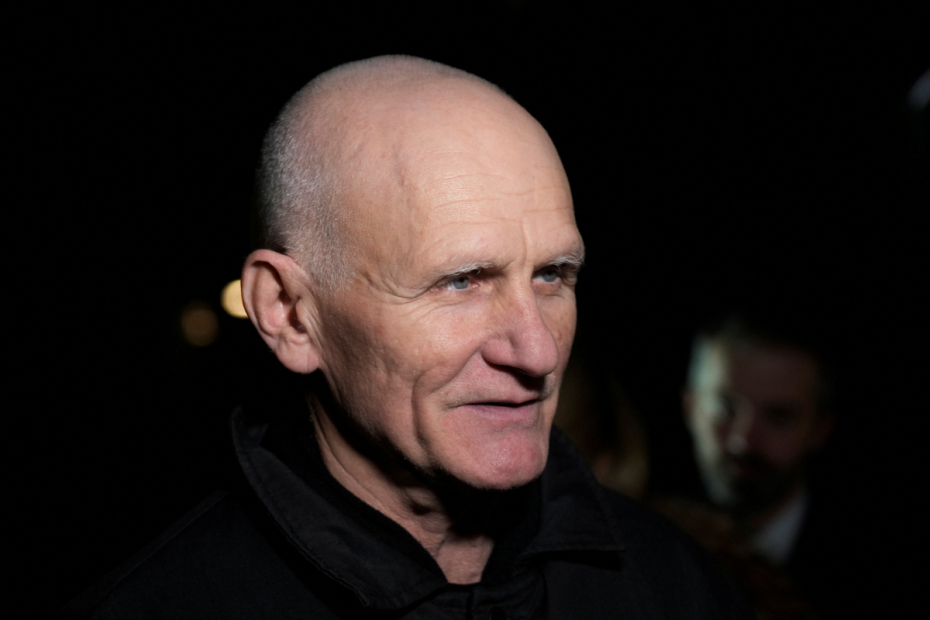
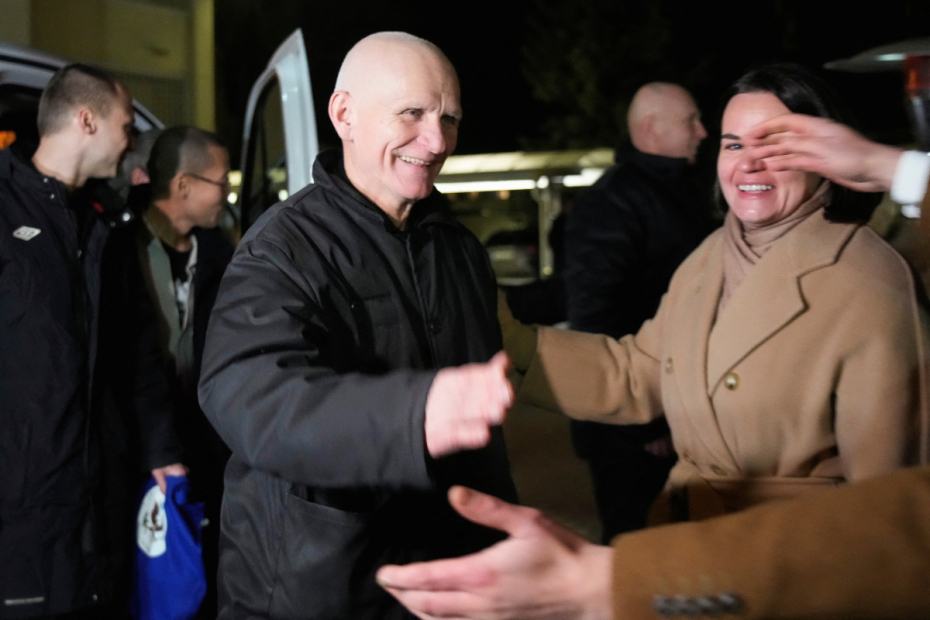
Bialiatski, visibly aged since he was last seen in public, embraced exiled opposition leader Sviatlana Tsikhanouskaya on arrival in Lithuania. He told Reuters that the goals of the human rights struggle for which he and his fellow campaigners had won the Nobel prize had still not been realised. “Thousands of people have been and continue to be imprisoned ... So our struggle continues,” he said. The Norwegian Nobel Committee expressed “profound relief and heartfelt joy” at his release.
Maria Kalesnikava, 43, a professional flutist and leading figure in Belarus’s 2020 pro-democracy protests, had been imprisoned since 2020. She became a symbol of resistance after authorities tried to deport her to Ukraine, but she tore up her passport at the border and returned to Belarus. Convicted of conspiracy to seize power and sentenced to 11 years, Kalesnikava reportedly fell seriously ill in prison and required surgery.
She described her emotional first sunset as a free person and was seen embracing fellow opposition politician Viktar Babaryka, whose son Eduard remains in prison. Her sister, Tatsiana Khomich, said she had been worried Kalesnikava might refuse to leave Belarus and had been prepared to persuade her.
After their release, both Bialiatski and Kalesnikava spoke with family members via video call. Several of the released prisoners are expected to travel to Vilnius, Lithuania, where crowds have gathered outside the U.S. embassy.
The release continues a broader pattern of Belarus easing political pressures in exchange for diplomatic concessions. Since July 2024, the country has freed more than 430 political prisoners, often coinciding with announcements of eased U.S. sanctions.
Sviatlana Tsikhanouskaya, opposition leader in exile and an ally of Kalesnikava, welcomed the release but cautioned against seeing it as a fundamental shift. “Lukashenko hasn’t changed his policies, his crackdown continues, and he continues supporting Russia’s war against Ukraine,” she told the AP. She added that while U.S. sanctions relief could lead to prisoner releases, European sanctions must aim for systemic changes in Belarus and an end to Moscow’s aggression in Ukraine.
U.S. engagement aims to partially decouple Lukashenko from Russia
John Coale, the U.S. special envoy for Belarus, confirmed that discussions also covered broader regional issues, including Russia’s invasion of Ukraine and the situation in Venezuela. He said Lukashenko had offered “good advice” regarding Ukraine and highlighted the longstanding relationship between the Belarusian and Russian presidents as facilitating dialogue, though noting that the advice may or may not be accepted by President Vladimir Putin.
U.S. officials also said engaging with Lukashenko is part of a broader effort to decouple him from Russia’s influence, at least partially, though the Belarus opposition has viewed such engagement with scepticism.
The U.S. and the European Union imposed wide-ranging sanctions on Belarus after Minsk launched a violent crackdown on protesters following a disputed election in 2020, jailing nearly all opponents who did not flee abroad.









What is your opinion on this topic?
Leave the first comment