
52min ago
Morning Brief
AnewZ Morning Brief - 02 April, 2026
Start your day informed with the AnewZ Morning Brief. Here are the top sto...



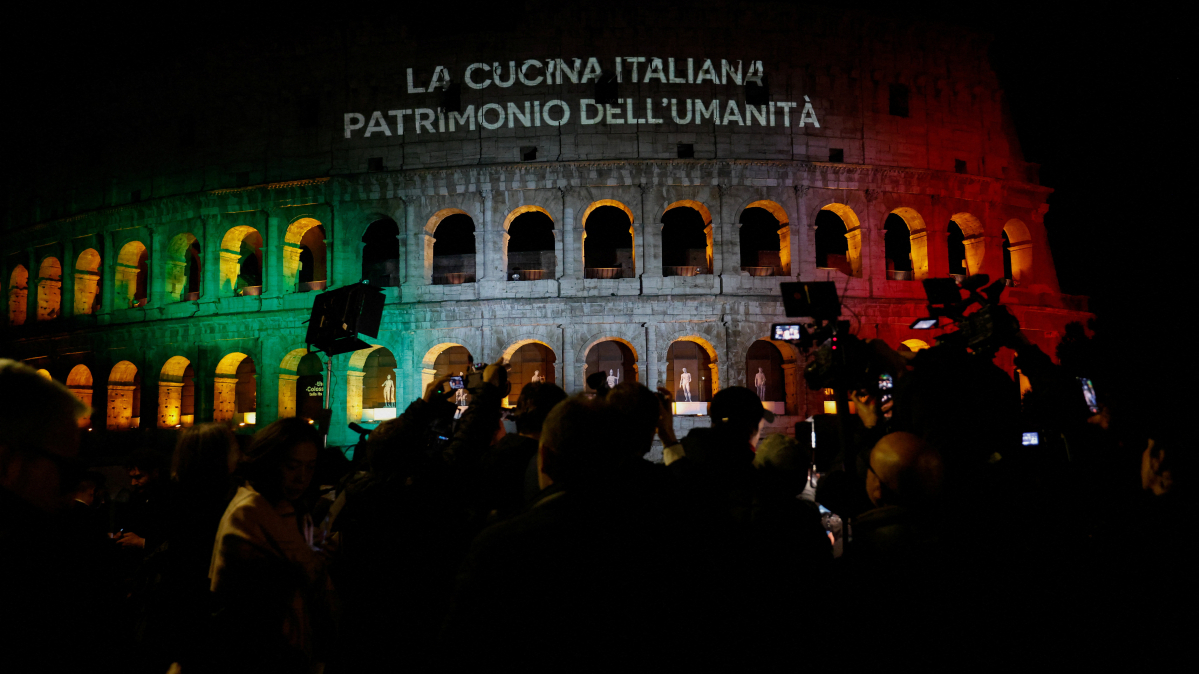


UNESCO has unveiled the latest additions to its Intangible Cultural Heritage of Humanity list, celebrating a rich array of global traditions that reflect the importance of cuisine, festivals, and local customs.
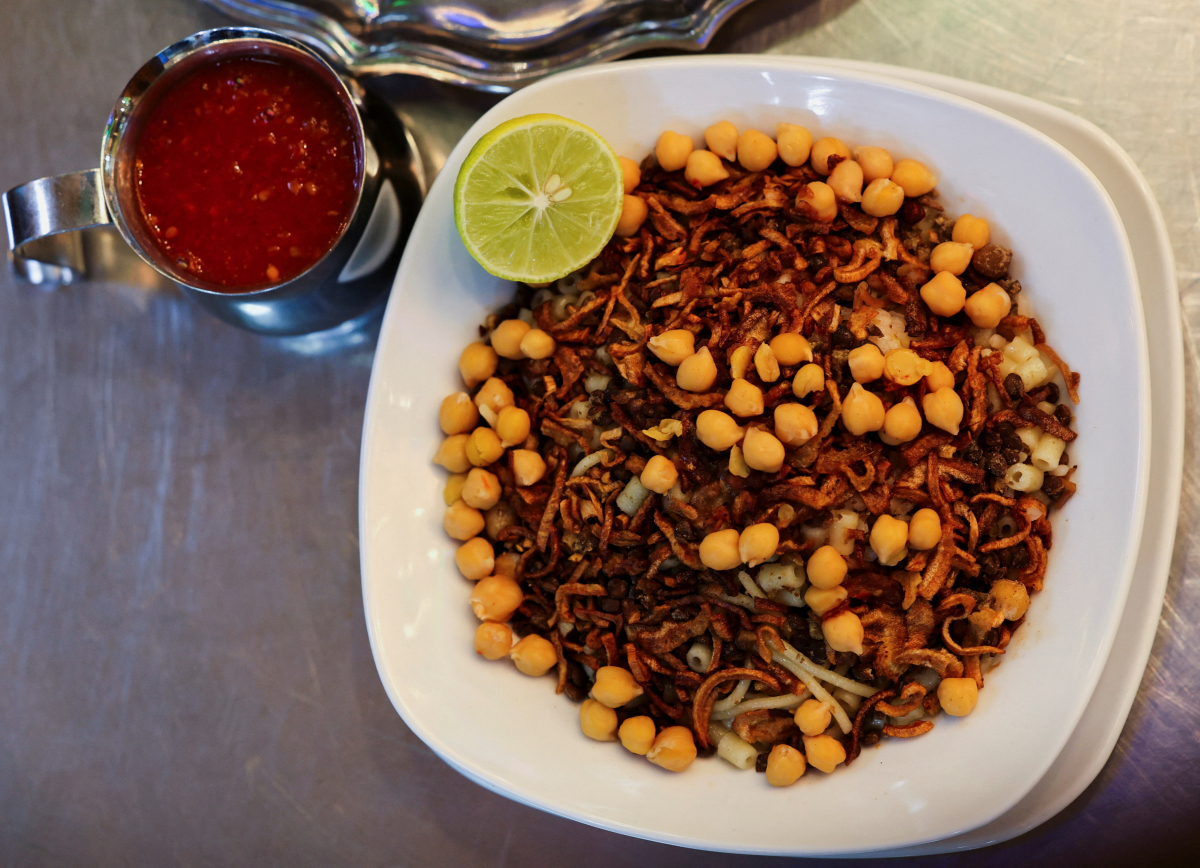
Among the headline recognitions were Italy’s national cuisine and Egypt’s iconic dish, koshary, marking significant milestones for both countries in preserving and showcasing their cultural heritage.
In an historic moment for Italian culture, Italy became the first country to have its entire national cuisine inscribed on the prestigious UNESCO list. The recognition, approved at UNESCO’s annual session in New Delhi, highlights the profound connection between Italian food, family life, and regional identity. Supported by both Italy’s culture and agriculture ministries, the bid underscored the central role of cuisine in Italian social life, from traditional recipes passed down through generations to the culinary diversity found across the country.
Prime Minister Giorgia Meloni welcomed the decision, expressing the deep cultural value of Italian cuisine for her country.
"For us Italians, cuisine is not just food, not just a collection of recipes; it is much more: it is culture, tradition, work, wealth," Meloni said, reflecting the sentiment felt by many Italians who see their food as an essential part of their national identity.
Egypt also celebrated a major cultural victory with the inclusion of koshary, a popular dish made from rice, lentils, and pasta, in UNESCO’s list of Intangible Cultural Heritage. Known for its widespread popularity and presence in everyday Egyptian life, koshary is considered a symbol of the country's culinary heritage. The recognition highlights its significance not only as a beloved meal but as a staple of Egyptian culture.
At Cairo's famous Abou Tarek restaurant, a renowned spot for serving the dish, the staff expressed pride in the recognition, emphasising the role koshary plays in uniting Egyptians across all walks of life.
"Koshary truly deserves to be included in UNESCO, especially with the Egyptian people, so we can document Egyptian identity within UNESCO," said Ahmed Shaker, a public relations officer at Abou Tarek.
"Koshary is one of the pillars of Egyptian cuisine for all Egyptians, across all groups, it's not limited to any specific group; all Egyptians eat koshary," Shaker said.
In addition to Italy and Egypt, UNESCO’s Intangible Heritage list also saw the inclusion of several other vital cultural traditions.
India’s Diwali, the vibrant festival of lights, was added, underscoring the festival's significance to Indian culture and its widespread celebration across the globe.
Iceland’s distinctive swimming pool culture, known for its role in social interaction and community building, was also inscribed, reflecting the importance of public pools in Icelandic daily life.
UNESCO highlighted that all inscribed traditions, whether they relate to food, festivals, or other aspects of life, reflect “active community participation” and an ongoing commitment to preserving living heritage for future generations. This inclusion not only honours these practices but also ensures their continued recognition and protection in the face of modern challenges.
Celebration of heritage across borders
UNESCO’s latest additions to the Intangible Cultural Heritage list reinforce the idea that culture is living, evolving, and deeply tied to communities. Whether it’s Italy’s iconic dishes, Egypt’s beloved koshary, or India’s Diwali, these traditions represent the heartbeat of nations and the pride of their people. By recognising such traditions, UNESCO continues to promote the preservation of cultural identities while encouraging cross-cultural understanding and dialogue.
As these cultural elements join the ranks of UNESCO’s celebrated heritage, they are not only honoured for their historical and social significance but also positioned as vital parts of the future. The recognition of these traditions helps ensure that they will be cherished, celebrated, and passed down to future generations, continuing to shape the cultural landscape of the world.

Start your day informed with the AnewZ Morning Brief. Here are the top sto...

President Volodymyr Zelenskyy criticised Russia for answering his offer of an Easter ceasefire with a...
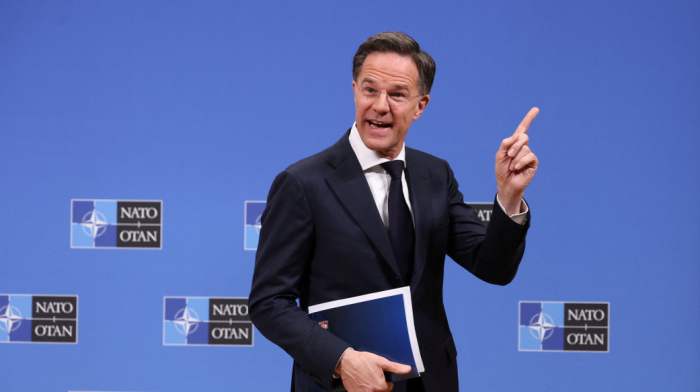
NATO Secretary-General Mark Rutte will visit Washington next week for what a spokesperson for the military...
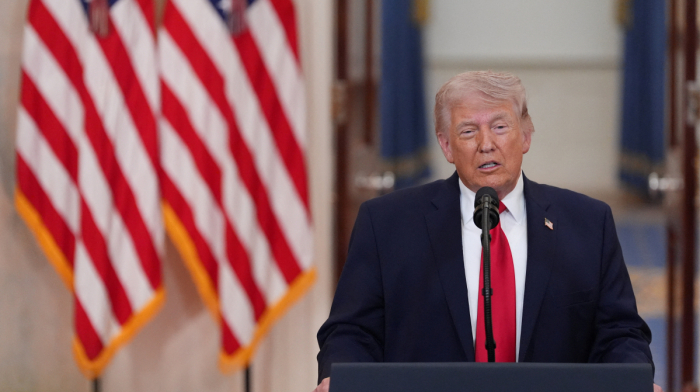
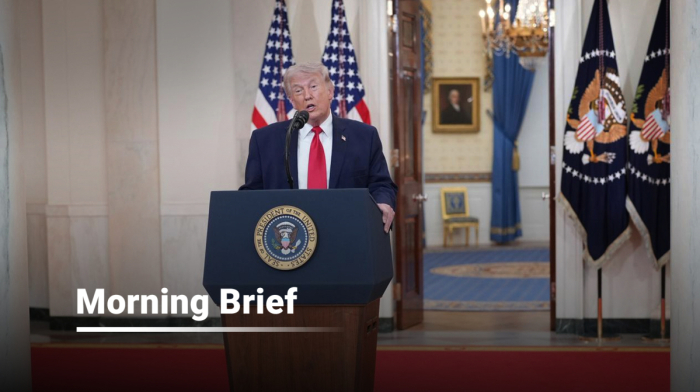
President Donald Trump staunchly defended his handling of the month-old U.S.-Israeli war on Iran in a prime-time addr...
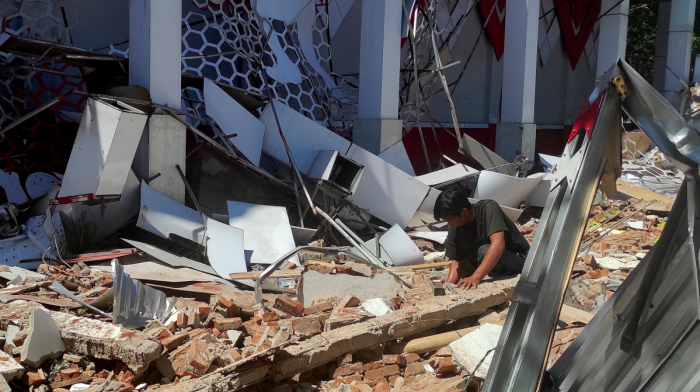
An earthquake of magnitude 7.6 struck in Indonesia's Northern Molucca Sea on Thursday, killing on...

Italian voters emphatically rejected a flagship judicial reform championed by Prime Minister Giorgia Meloni, dealing a blow to her right-wing coalition ahead of next year's general elections. Meloni posted on social media "clearly, we regret this missed opportunity to modernise Italy".

Italy is voting on 22 and 23 March in a judicial reform referendum that could reshape the justice system and test Prime Minister Giorgia Meloni’s political strength ahead of the 2027 general election.
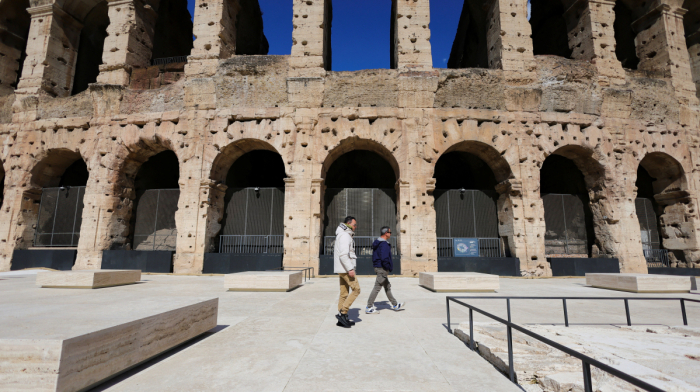
The Colosseum in Rome has reopened its southern corridors as a public square following a four-year restoration, giving visitors free access to a long-lost part of the ancient monument. The newly restored area was unveiled on Tuesday (17 March).

Two people were killed and around 40 injured when a tram derailed in central Milan on Friday (27 February), a spokesperson for the local fire service said.
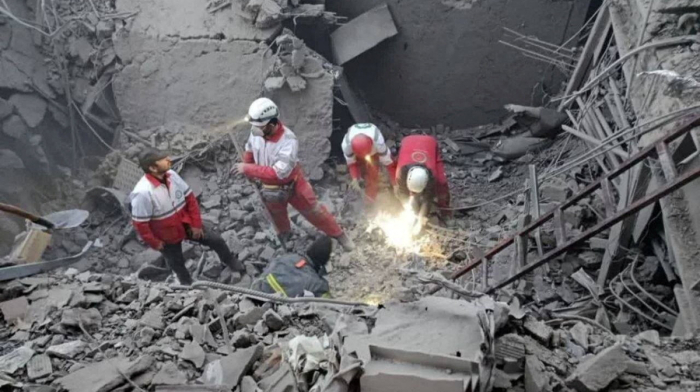
The Iran-U.S.-Israel conflict is intensifying, with fresh strikes near Tehran, European calls for restraint, and Iran threatening to target U.S. firms in the region, raising fears of a broader escalation across the Middle East.
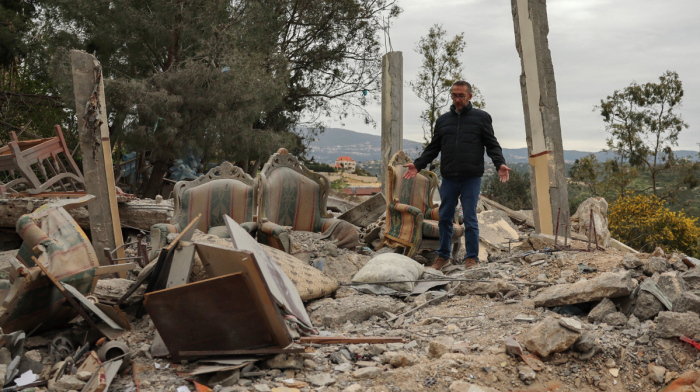
There are fears of an oil spill after a drone strike hit a Kuwaiti oil tanker near Dubai on Tuesday, while U.S.-Israeli strikes in Iran reportedly killed at least two people. A loud explosion was heard in Beirut in southern Lebanon early Wednesday, as oil prices climbed above $100 a barrel.
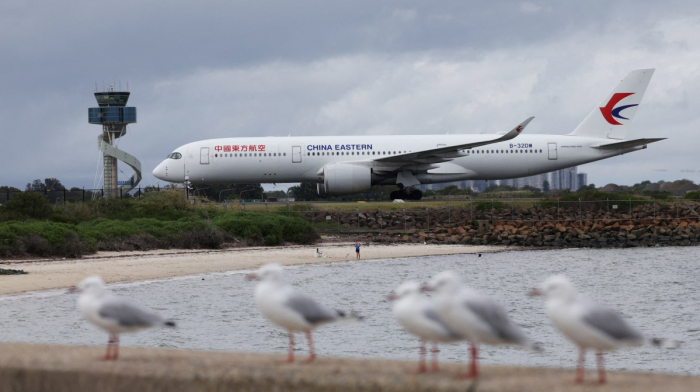
China's three largest state-owned airlines have issued warnings regarding their financial outlook for the current year, acknowledging that the eruption of war involving Iran has driven jet fuel prices to unsustainable highs.

Russian-flagged tanker carrying approximately 700,000 barrels of crude oil docked at Cuba's Matanzas oil terminal on Tuesday, shipping data confirmed, marking a vital and controversial delivery to an island paralysed by severe energy shortages and a suffocating U.S. blockade.

A Russian military An-26 aircraft has crashed in Crimea, killing all 30 people on board, Russia’s Defence Ministry has confirmed.

Grammy-winning rapper Megan Thee Stallion was hospitalised in New York City after she fell ill mid-performance during a Broadway production of 'Moulin Rouge! The Musical'.

The European Broadcasting Union and global entertainment company Voxovation have announced that the first-ever Eurovision Song Contest Asia will take place in 2026, with Bangkok selected to host the inaugural edition.

Music superstar Taylor Swift scored a leading seven trophies at the iHeartRadio Music Awards on Thursday including artist of the year and best pop album for the upbeat record "The Life of a Showgirl."

The trailer for Spider-Man: Brand New Day has officially become the most-watched trailer of all time, racking up 718.6 million views in its first 24 hours and surpassing the previous record set by Deadpool & Wolverine in 2024.

Carlos Ray “Chuck” Norris, the martial artist, actor and cultural icon best known for his roles in action films and the long-running CBS series Walker, Texas Ranger, has died at the age of 86.
You can download the AnewZ application from Play Store and the App Store.




What is your opinion on this topic?
Leave the first comment