Türkiye has reinforced its strategic partnership with Hungary, aiming to expand cooperation in trade, energy, defense, and innovation.
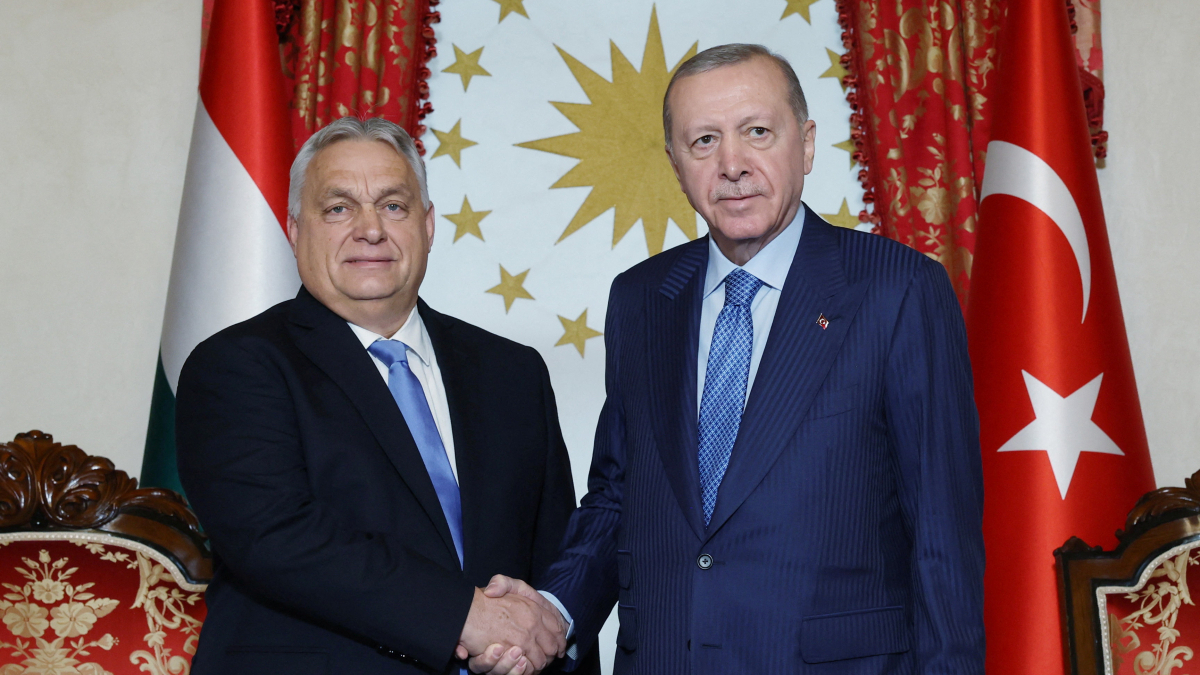
President Recep Tayyip Erdoğan and Hungarian Prime Minister Viktor Orbán held high-level talks at the Dolmabahçe Presidential Office, emphasising the progress in bilateral relations and setting ambitious future goals.
During the meeting, Erdoğan highlighted that the $6 billion trade target with Hungary is nearly reached and discussed increasing it to $10 billion, reflecting strong economic potential and mutual commitment to efficient trade mechanisms. Agreements were signed to strengthen collaboration in defence, energy, transportation, culture, education, and technology, enhancing the institutional framework of Türkiye-Hungary relations.
In energy cooperation, Erdoğan confirmed that Türkiye continues to facilitate Russian oil and natural gas supplies to Hungary, ensuring uninterrupted delivery and preventing sanctions. Türkiye has already transferred 7.5 billion cubic meters of natural gas to Hungary in 2025, underlining Ankara’s critical role in European energy security.
The meeting also celebrated 2025 as the Türkiye-Hungary Science and Innovation Year, during which 28 joint initiatives in research and development, digitalisation, artificial intelligence, and entrepreneurship were launched with dedicated funding.
Erdoğan stressed Türkiye’s ongoing diplomatic efforts for peace in Ukraine and the region, while also highlighting Hungary’s support for Türkiye’s EU accession ambitions. The establishment of a joint planning group, led by foreign ministers, was agreed upon to address bilateral and global issues in a structured manner.
Defence industry cooperation was emphasised, with plans for joint production projects aimed at strengthening European security. Erdoğan underscored that these mechanisms reflect the high level of trust and strategic alignment between Türkiye and Hungary.
The discussions reaffirmed Türkiye’s central role in facilitating regional stability, energy security, and enhanced economic and technological collaboration with Hungary, while laying the groundwork for expanded partnerships in the coming years.











What is your opinion on this topic?
Leave the first comment