Australia has moved to directly pressure the Taliban leadership, imposing financial sanctions and travel bans on four senior officials it says are responsible for the steady erosion of women’s rights in Afghanistan.
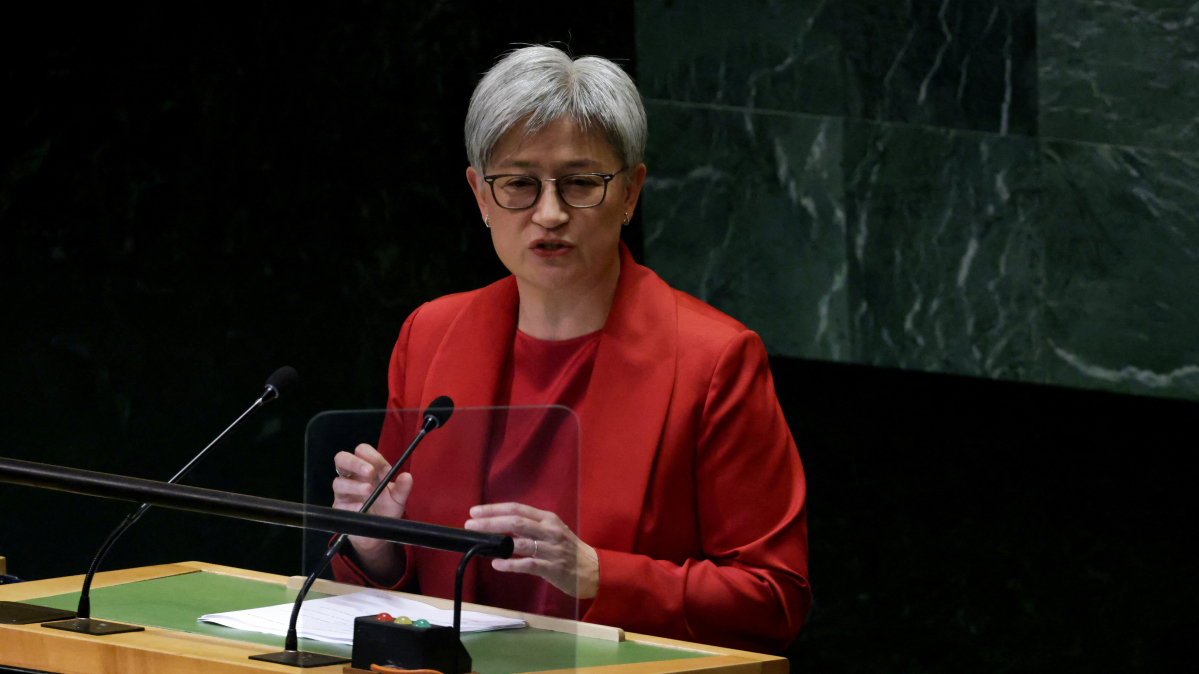
Foreign Minister Penny Wong said the decision reflects growing alarm in Canberra over how quickly daily life has tightened for Afghan women and girls since the Taliban’s return to power.
The announcement comes more than four years after Australia withdrew its last troops in August 2021, ending two decades of involvement as part of the NATO-led mission.
But the government says its ties to Afghanistan did not end there. Thousands of Afghan evacuees, many of them women and children, were brought to safety in Australia after Kabul fell.
For officials in Canberra, that experience still shapes how they view the country’s trajectory today.
Wong said the targeted officials - three Taliban ministers and the movement’s chief justice - have each played a part in policies that have stripped women and girls of access to education, jobs and basic freedoms.
She described the restrictions as not only discriminatory but also corrosive to Afghanistan’s ability to rebuild.
International criticism of the Taliban’s approach has grown steadily. Secondary-school and university doors remain closed to most girls, and women have been pushed out of public-facing work.
The Taliban insists its policies reflect its interpretation of Islamic law, but for many Afghans the result has been a narrowing of possibility and independence.
Australia’s new sanctions framework, introduced this year, gives the government more latitude to respond to such situations without relying on broader international mechanisms.
Wong said the move is intended to send a clear message: that the world is still watching, and that there are consequences for the continued suppression of Afghan women and girls.
For Afghanistan’s population, already facing economic strain and widespread humanitarian need, the political pressure abroad is only one part of a far larger crisis.
But for Canberra, the measures represent an attempt to keep women’s rights at the centre of the global conversation on Afghanistan, even as the situation on the ground remains difficult and deeply uncertain.














What is your opinion on this topic?
Leave the first comment