Residents of Darfur are being systematically held for ransom by the Sudanese paramilitary force that overran a city in the western part of the country in late October.
Several groups including witnesses, aid workers, and researchers have reported killings and beatings of those whose families cannot pay.
The Sudanese paramilitary group, the Rapid Support Forces (RSF), and its allied militias have been detaining large groups of people in and around al-Fashir, the capital of North Darfur.
While the exact number of detainees is unclear, reports suggest many are held in villages within 80 km (50 miles) of al-Fashir, with others brought back into the city as the RSF demands thousands of dollars in ransom from their families.
These detentions highlight the risks faced by those unable to escape al-Fashir, which had been the last major city to resist the RSF’s control in western Darfur before its fall in late October. Since the RSF takeover, witnesses have described mass reprisals, including summary executions and sexual violence.
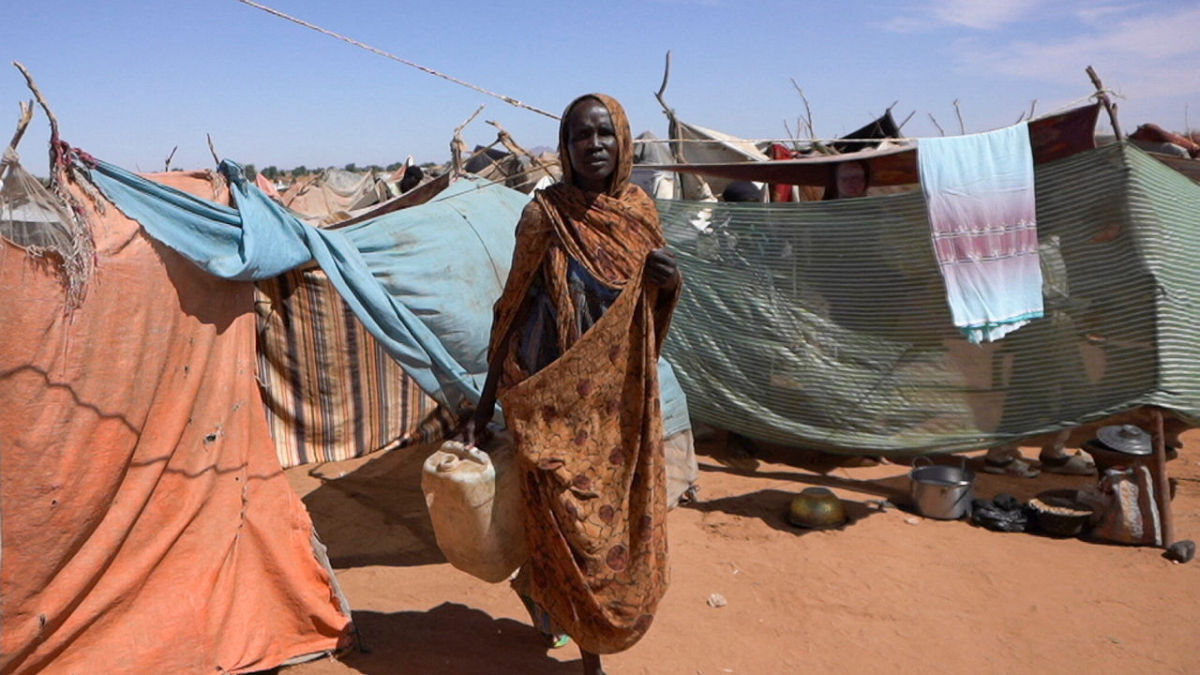
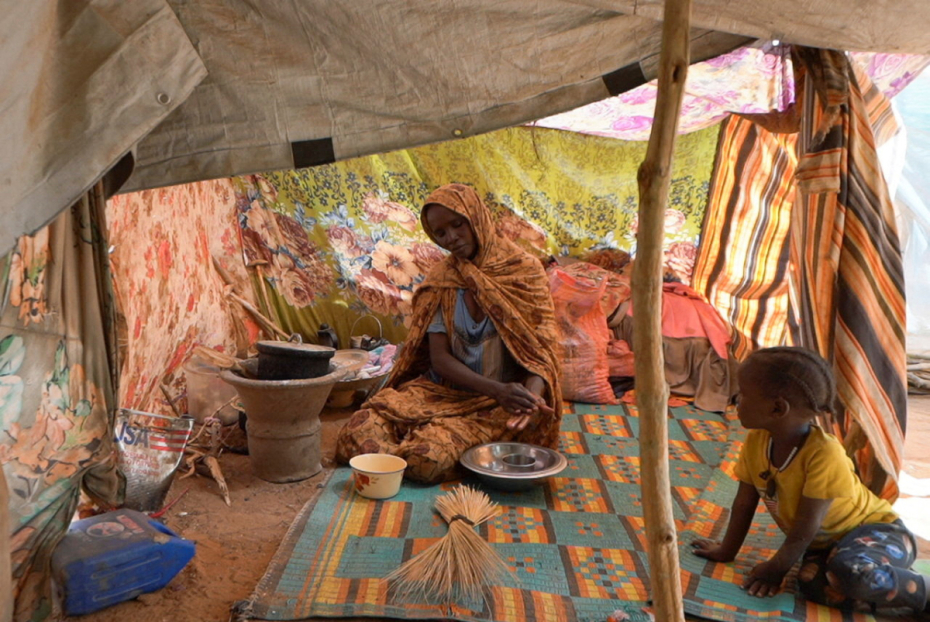
The detentions also shed light on the plight of the tens of thousands of people unaccounted for in the city, as aid agencies continue to struggle to gain access to famine-stricken al-Fashir and its surrounding areas.
The city has become a focal point in the ongoing two-and-a-half-year war between the RSF and Sudan’s army.
Reuters spoke to 33 former captives and 10 aid workers and researchers, who provided previously unreported details about the violence captives endured, the locations where they were held, and the scale of the detentions. Survivors described paying ransoms ranging from 5 million ($1,400) to 60 million ($17,000) Sudanese pounds — vast sums in an impoverished region.
Those unable to pay were shot at close range or mowed down in groups, according to 11 survivors. Other captives were severely beaten.
A Reuters reporter spoke to survivors who had fled to Chad, bearing injuries that appeared to be from beatings and gunshots, though these accounts could not be fully verified.
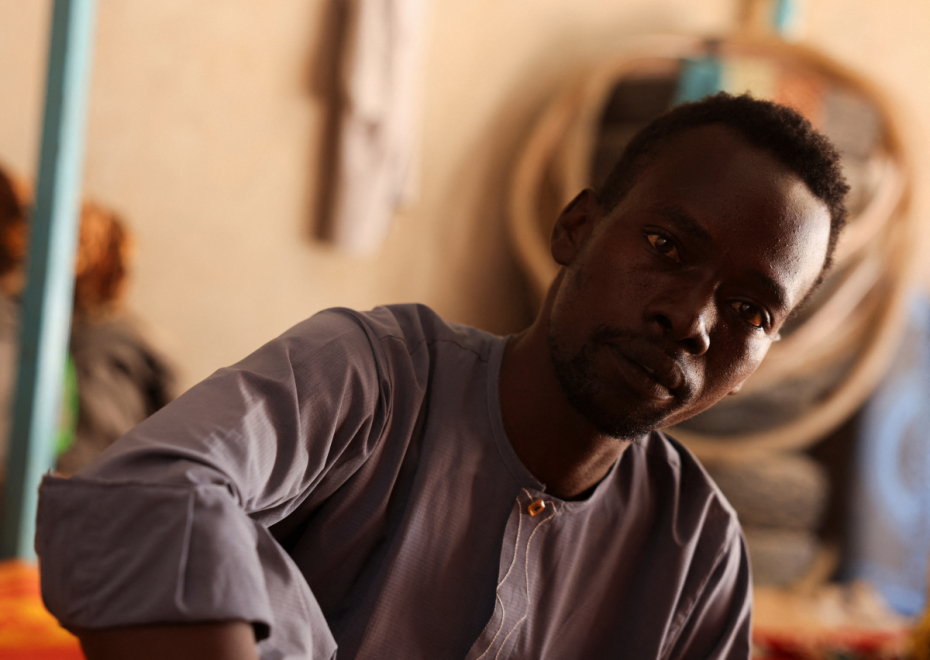
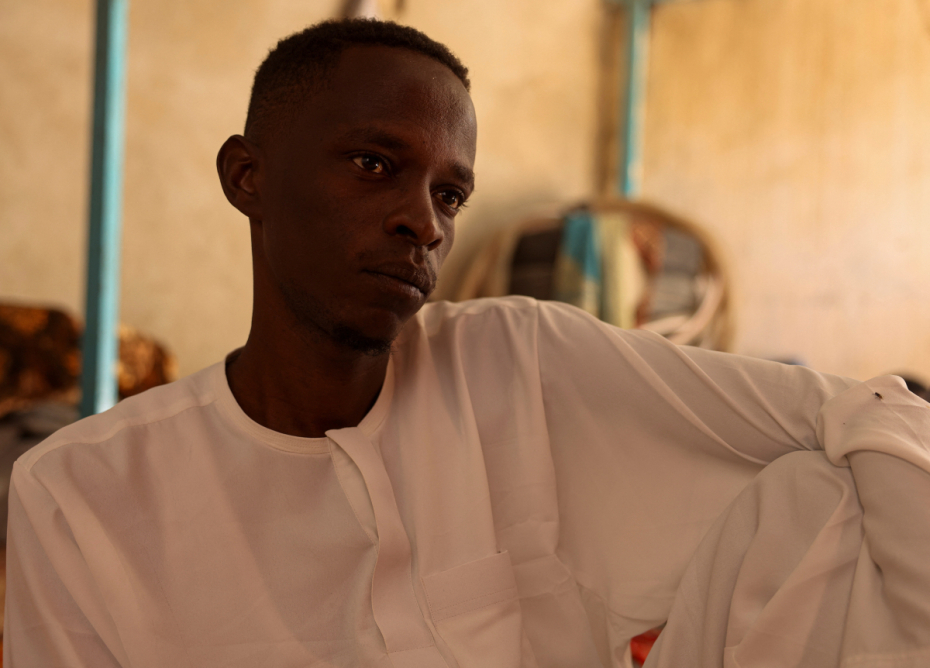
“They give you three or four days, and if you don’t transfer the money, they kill you,” said Mohamed Ismail, a survivor who spoke to Reuters by phone from Tawila, a town under neutral control.
Ismail had fled al-Fashir as the RSF took the city on October 26, but he was captured by the RSF in a village called Um Jalbakh along with 24 other men.
Ismail and his nephew were each forced to gather 10 million Sudanese pounds from family before being released. Nine other men in the group were killed in front of them.
The RSF has not only carried out ransom-driven violence, but also ethnically-motivated attacks. Witnesses say that captives were often asked about their tribal affiliations before being subjected to violence, including racial epithets.
These acts mirror the ethnic violence earlier in the conflict, when the RSF and its allies were accused of mass killings against non-Arab ethnic groups, echoing the atrocities of the 2003 Darfur genocide.
The RSF has also made efforts to present itself positively in social media posts, showing detainees receiving food and medical care. A nurse, who was detained by the RSF, described being filmed while receiving food to present an image of good treatment.
“They torture you one moment, and then put you on live the next,” she said.
As RSF control of al-Fashir strengthens, the humanitarian crisis deepens. Satellite imagery of Garney shows new temporary shelters, indicating that many of the detained civilians may be held long-term.
Survivors reported being moved to various facilities within al-Fashir, including military buildings and university dormitories. In one instance, a 62-year-old teacher, held at al-Fashir’s children’s hospital, said he witnessed 300 men die from a lack of water, with captives drinking from a stagnant pool that turned out to be sewage.
While international agencies struggle to access al-Fashir, satellite images and witness accounts reveal the extent of the RSF's hold on the city and surrounding areas.
Survivors’ stories highlight the ruthlessness of the RSF's actions, with ransom demands, summary executions, and ethnically charged violence marking the ongoing tragedy in Darfur.











What is your opinion on this topic?
Leave the first comment