Foreign professionals seeking employment in the United States now face an ideological litmus test regarding their past work in online safety and content moderation, marking a significant escalation in the Trump administration's battle against what it terms the "censorship" of conservative voices.
According to a leaked internal State Department memo viewed by Reuters, U.S. diplomats have been instructed to actively reject H-1B visa applicants who have engaged in activities deemed to suppress free speech. The directive, issued on 2 December to all U.S. missions, represents a sharp pivot in American immigration policy, moving beyond security concerns to scrutinise the professional history of applicants through a political lens.
The ‘Censorship’ Litmus Test
The new guidance orders consular officers to scrutinise the CVs and LinkedIn profiles of applicants—and their accompanying family members—for any history of employment in "misinformation, disinformation, content moderation, fact-checking, compliance and online safety."
The cable explicitly states: "If you uncover evidence an applicant was responsible for, or complicit in, censorship or attempted censorship of protected expression in the United States, you should pursue a finding that the applicant is ineligible."
This policy effectively criminalises, for immigration purposes, roles that are standard in the modern digital economy. Content moderation and trust and safety teams are staples of major tech platforms, tasked with removing illegal content, hate speech, and ensuring brand safety for advertisers.
A Blow to Silicon Valley?
The H-1B visa programme is the primary vehicle through which U.S. technology giants recruit specialised talent, particularly from India and China. The timing of the move creates a paradox for Silicon Valley; while many tech leaders and venture capitalists threw their financial and vocal support behind Donald Trump during the last presidential election, this policy threatens to sever a vital artery of their labour supply.
Furthermore, the policy creates a potential diplomatic and legal quagmire for workers from the European Union. Under the EU’s Digital Services Act (DSA), tech companies are legally required to moderate content to prevent the spread of illegal misinformation and hate speech. European workers who have enforced these local laws could now effectively be blacklisted from entering the U.S. for doing their jobs.
Retribution and Redress
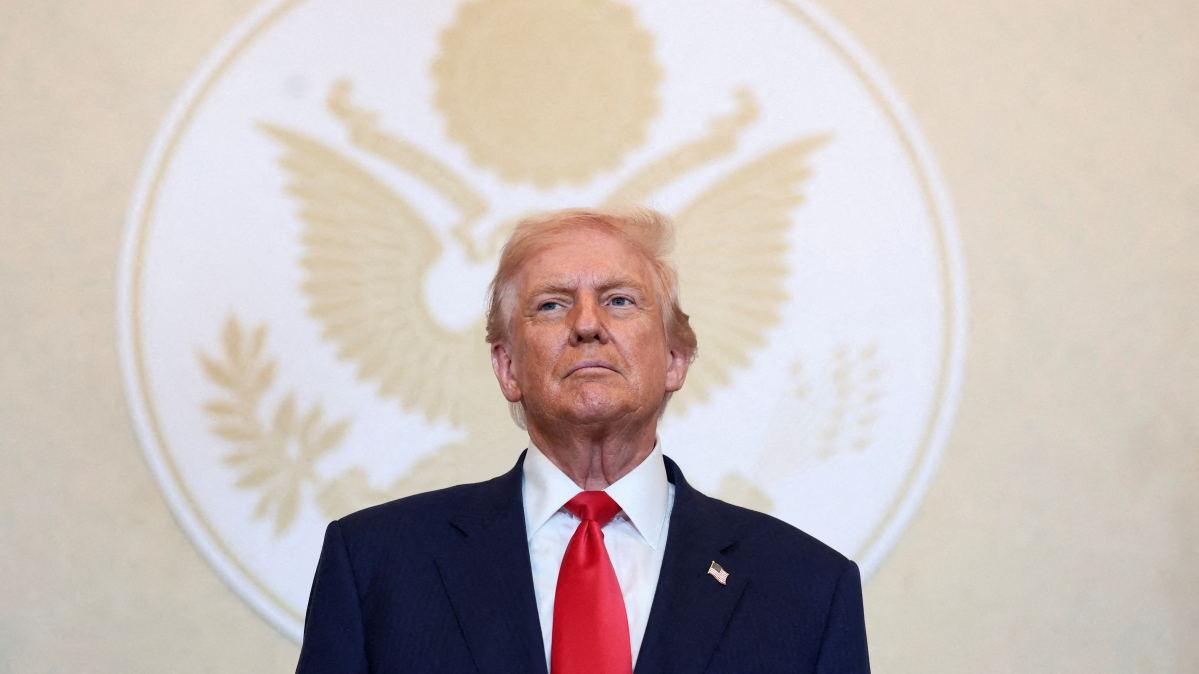
The State Department’s rationale appears deeply rooted in the President’s personal grievances. A spokesperson, while refusing to comment on the specific leak, stated, "We do not support aliens coming to the United States to work as censors muzzling Americans."
The official added: "In the past, the President himself was the victim of this kind of abuse when social media companies locked his accounts. He does not want other Americans to suffer this way."
This refers to the widespread bans Trump faced on platforms like Twitter (now X) and Facebook following the events of 6 January 2021. Since returning to power, the administration has framed content moderation not as a safety measure, but as a "censorship industrial complex" designed to stifle right-wing dissent.
Global Ripple Effects
The administration has already signalled its intent to export this culture war. Officials have increasingly weighed in on European domestic politics, criticising governments in Germany, France, and Romania for what Washington perceives as the suppression of right-wing political figures under the guise of fighting disinformation.
In May 2025, Marco Rubio—a key figure in the administration’s foreign policy architecture—threatened visa bans for individuals involved in censoring American speech, foreshadowing this week's directive.
The vetting requirements apply to both new applicants and those seeking renewals, casting uncertainty over thousands of foreign workers currently employed in the U.S. tech and financial services sectors. This follows a broader crackdown on legal immigration, including heightened scrutiny of international students for "hostile" social media posts and recently increased fees for H-1B visas.
The State Department memo instructs officers to "thoroughly explore" employment histories to ensure no participation in the suppression of protected expression, a directive that is likely to slow down processing times significantly and increase rejection rates at U.S. consulates worldwide.













What is your opinion on this topic?
Leave the first comment