Albanian demonstrators tear down fences in anti-development protests
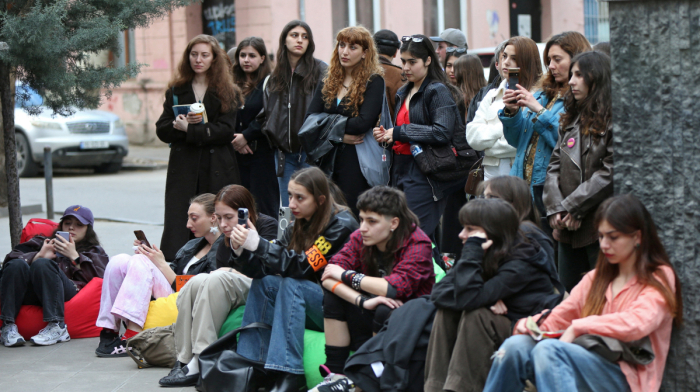
Hundreds of protesters have torn down fences surrounding a planned luxury development site in Albania, as public anger continues to mount over constr...
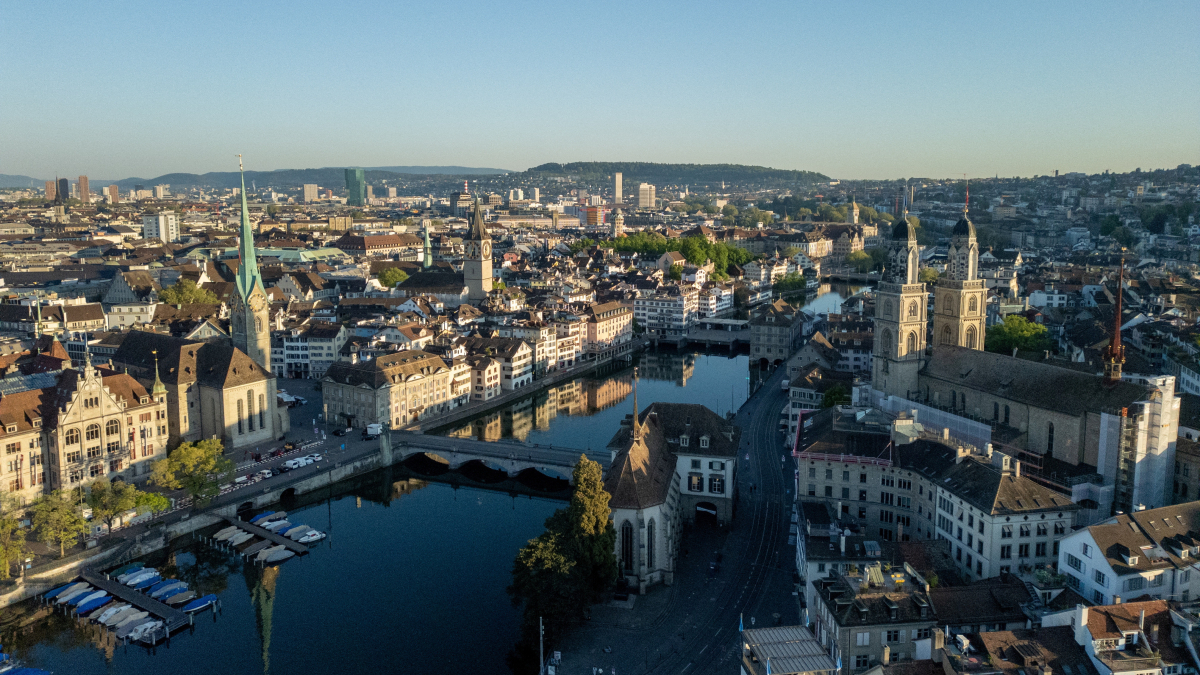
Swiss voters have decisively rejected a plan in Sunday's referendum (30 November) to impose a 50% tax on inheritances worth more than 50 million francs, delivering a far stronger backlash than polls had forecast.
The proposal, put forward by the youth wing of the Social Democrats, sought to target the country’s wealthiest families and channel the tax revenue into climate mitigation projects.
Its supporters argued that the country’s richest residents were passing on immense fortunes while younger generations faced the consequences of rising living costs and a rapidly warming climate.
Around 2,500 taxpayers in Switzerland have assets worth more than 50 million francs (62 million U.S. dollars), according to Swiss tax authorities, with a total wealth of about 500 billion francs.
The scale of the defeat surprised campaigners. Final results showed 78% of voters opposed the tax, well above the two-thirds level suggested in recent polling.
Opponents of the initiative warned that such a measure risked driving high-net-worth individuals out of Switzerland, ultimately shrinking the tax base rather than strengthening it.
Swiss officials had urged voters to reject the proposal, arguing that existing fiscal arrangements already struck a balance between competitiveness and social responsibility.
The debate unfolded against a backdrop of growing concern over the cost of living, particularly in cities that rank among the world’s most expensive.
Despite the heavy loss for the plan’s backers, the vote underscored a broader conversation about inequality and expectations for how the country should respond to economic pressures and environmental challenges.
Switzerland is the world's largest wealth management hub, but could lose that crown as early as this year, according to a forecast from Boston Consulting Group.
The country is home to some of the most expensive cities on the planet and anxiety about the cost of living has been gaining currency in local politics.

Pakistan has warned that any attempt by India to block or significantly reduce river flows under the Indus Waters Treaty could have “far-reaching consequences”, after India's water minister said New Delhi was working to ensure that “not a single drop” of water reaches Pakistan in the coming years.
SpaceX made a historic entrance into the Nasdaq on Friday, surging over 20% in its first day of trading and lifting its valuation to more than $2 trillion. Investors flocked to the world’s largest IPO, betting on Elon Musk’s sprawling empire spanning rockets, AI and beyond.
Armenia has every right to choose Europe. But Europe’s support for Armenia’s direction should not become automatic approval of its political process.
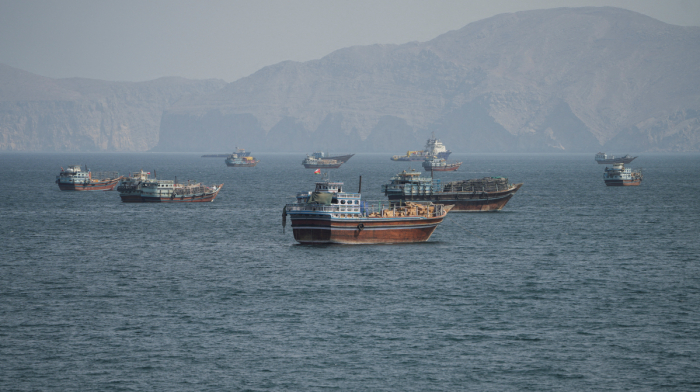
U.S. President Donald Trump has said a peace agreement with Iran is scheduled to be signed on Sunday in a post on social media, despite Tehran's Foreign Ministry spokesperson Esmaeil Baghaei saying no deal would be approved this weekend.
Japan’s birth rate and fertility levels have fallen to their lowest levels on record, highlighting the country’s worsening demographic crisis as fewer people marry and have children.
British Prime Minister Sir Keir Starmer has pledged to publish the UK government's long-awaited Defence Investment Plan ahead of next month's NATO summit in Ankara, following growing pressure over the UK's military spending commitments.
Hundreds of protesters have torn down fences surrounding a planned luxury development site in Albania, as public anger continues to mount over construction in environmentally sensitive areas.
George Russell continued Mercedes's dominant qualifying form by securing pole position for the Barcelona-Catalunya Grand Prix, while Lewis Hamilton ensured an all British front row with second place for Ferrari.
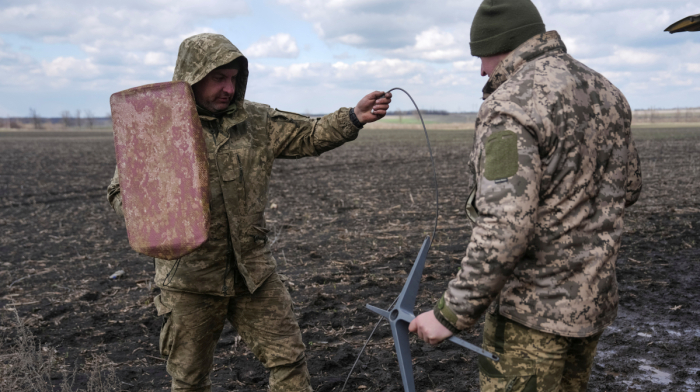
Ukraine's Zaporizhzhia Nuclear Power Plant has been reconnected to the electricity grid after repairs were carried out under a localised ceasefire brokered by the International Atomic Energy Agency (IAEA).
Swiss voters decide whether to back a proposal to cap the country's population in a referendum likened to Britain's Brexit vote, which could have far-reaching consequences for the economy and Bern's relations with the European Union.
You can download the AnewZ application from Play Store and the App Store.
What is your opinion on this topic?
Leave the first comment