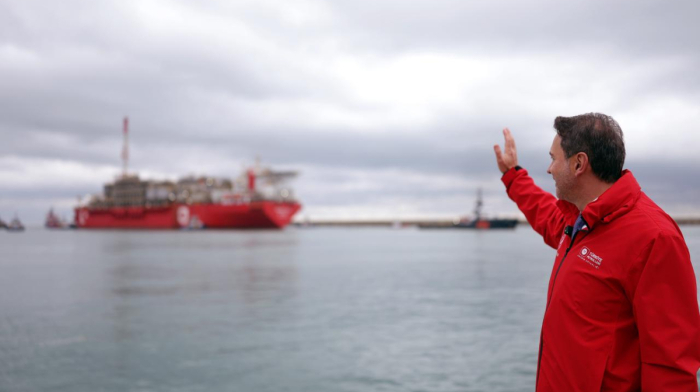
U.S. warns Oman against facilitating toll system in Strait of Hormuz
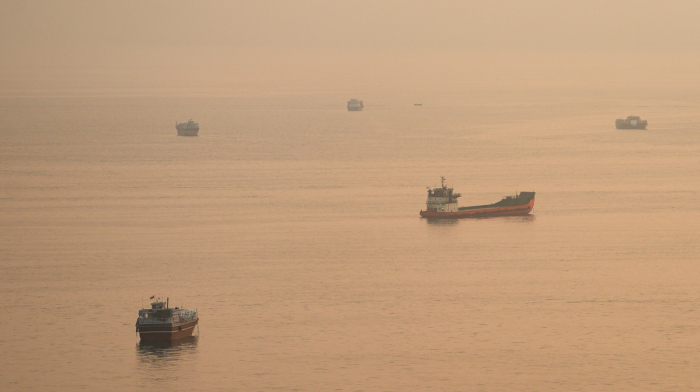
The United States has warned Oman against supporting any effort to impose tolls in the Strait of Hormuz, saying Washington would penalise any parties ...
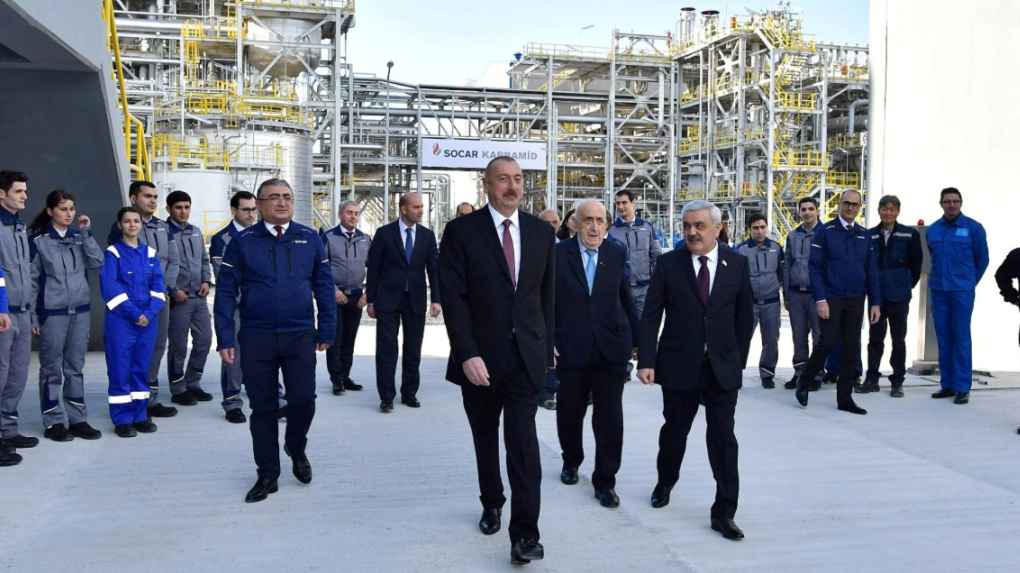
SOCAR’s Carbamide plant in Sumgayit has been recognised by the World Economic Forum (WEF) as a Global Lighthouse site, marking Azerbaijan’s first inclusion in the Forum’s flagship Industry 4.0 network.
The site near Baku on the Caspian Sea is also the first facility in the country and the wider Central Asia region to join the Lighthouse Network, which highlights factories that have translated digital ambition into sustained, measurable industrial impact.
Launched in 2018, the WEF's Global Lighthouse Network identifies individual manufacturing sites that have embedded technologies such as artificial intelligence (AI), advanced analytics, the Industrial Internet of Things, robotics and automation across daily operations.
Unlike pilot projects or innovation hubs, lighthouse sites must demonstrate verified gains in productivity, energy efficiency, emissions reduction and workforce upskilling under real-world conditions.
The Sumgayit plant’s selection comes amid growing concern at Davos this week, over the difficulty of scaling digital transformation, with WEF assessments showing that around 70% of companies fail to move beyond experimentation.
SOCAR Carbamide’s recognition reflects a systematic approach rather than isolated technology deployments. The plant says it has integrated AI-driven optimisation, advanced process control systems, real-time analytics and robotics across production, maintenance and energy management.
Company executives said the transformation has enabled the facility to operate above its original design capacity of 650,000 tonnes per year while reducing operating costs and natural gas consumption per tonne of urea produced, after initially operating well below capacity in its early years.

The award brings SOCAR’s total number of Digital Lighthouse distinctions to three, following earlier recognition for the Petkim Petrochemical Complex and the STAR Refinery in Türkiye, making it the only energy company globally to hold three such awards.
For Azerbaijan, the designation positions the country as an active contributor to global Industry 4.0 transformation at a time when efficiency, resilience and workforce capability are increasingly central to heavy industry.

The U.S. and Iran have reportedly reached a preliminary 60-day ceasefire and nuclear talks deal, pending Donald Trump’s approval, Axios reports. Meanwhile, the GCC condemned Iran’s missile strike on a U.S. airbase in Kuwait, which Tehran said was retaliation for a U.S. strike near Bandar Abbas.
Bolivia’s President Rodrigo Paz has taken steps towards potentially declaring a state of emergency as anti-government protests intensify in the early months of his administration.
A group of Azerbaijani civil society organisations has called for increased scrutiny of Swiss building materials giant Holcim, citing court rulings and ongoing investigations linked to its subsidiary Lafarge's activities during the Syrian conflict.
The World Health Organization (WHO) says ongoing conflict, funding pressures and international travel restrictions are complicating efforts to contain a fast-growing Ebola outbreak in the Democratic Republic of Congo (DRC).
Russia and Kazakhstan signed 15 agreements during President Vladimir Putin’s state visit to Astana on Thursday (28 May), including deals on Kazakhstan’s first nuclear power plant and expanded oil cooperation with Russia.
A renewed wave of U.S. diplomatic activity in the South Caucasus highlights Washington’s growing focus on regional connectivity, trade and security, according to Associate Professor George Mchedlishvili of European University in Tbilisi.
Kyrgyzstan has signed a series of cooperation agreements with China and Belarus at the Fifth Forum of Regional Leaders of Shanghai Cooperation Organisation (SCO) member states, underlining the country's growing economic engagement within the regional bloc.
A group of Azerbaijani civil society organisations has called for increased scrutiny of Swiss building materials giant Holcim, citing court rulings and ongoing investigations linked to its subsidiary Lafarge's activities during the Syrian conflict.
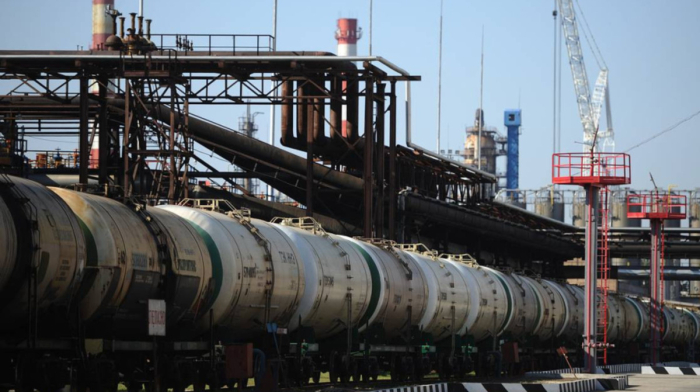
Kazakhstan has reiterated that no existing route can replace the Caspian Pipeline Consortium (CPC), which carries more than 80% of the country's crude oil exports through Russia to the Black Sea.
Russia and Kazakhstan signed 15 agreements during President Vladimir Putin’s state visit to Astana on Thursday (28 May), including deals on Kazakhstan’s first nuclear power plant and expanded oil cooperation with Russia.
You can download the AnewZ application from Play Store and the App Store.
What is your opinion on this topic?
Leave the first comment