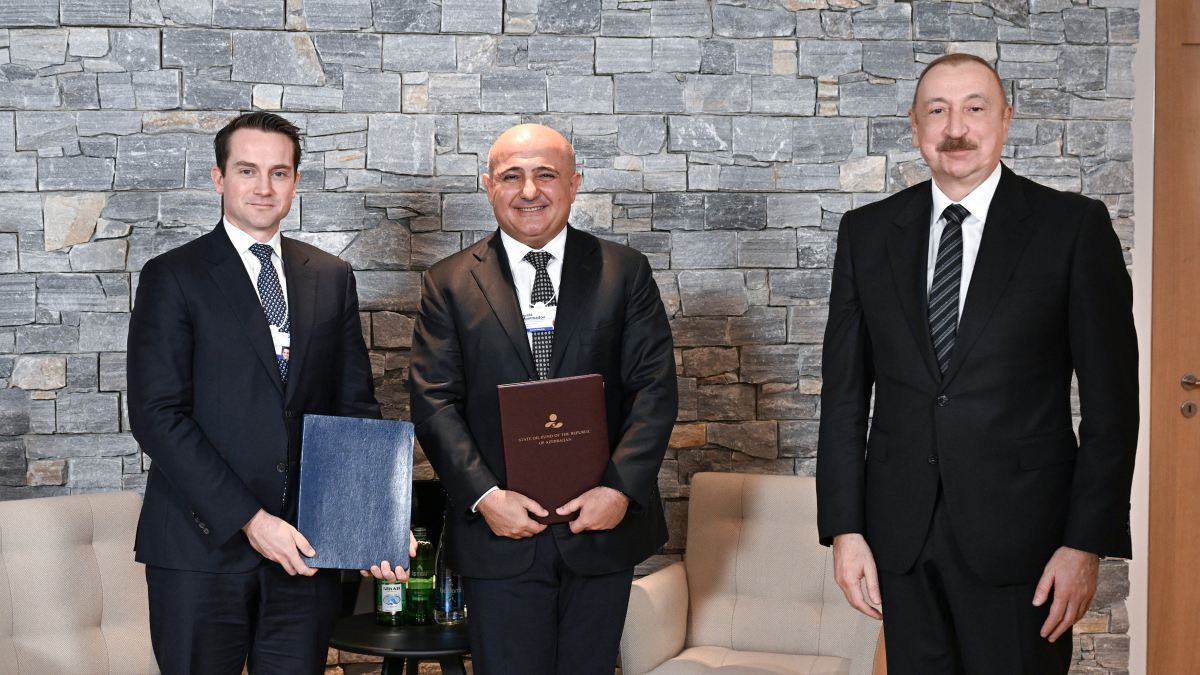
Azerbaijan’s State Oil Fund, State Oil Fund of Azerbaijan (SOFAZ), has signed a long-term strategic cooperation agreement worth up to $1.4 billion with Brookfield Asset Management on the sidelines of the World Economic Forum in Davos, officials said.
Under the agreement signed in Davos, the State Oil Fund of the Republic of Azerbaijan (SOFAZ) will assess opportunities to invest in Brookfield-managed funds and co-investment projects over the next three to four years, with a focus on energy, infrastructure and related assets. The framework, which allows for potential investments of up to $1.4 billion, represents the only binding investment arrangement announced by SOFAZ during the World Economic Forum this week.
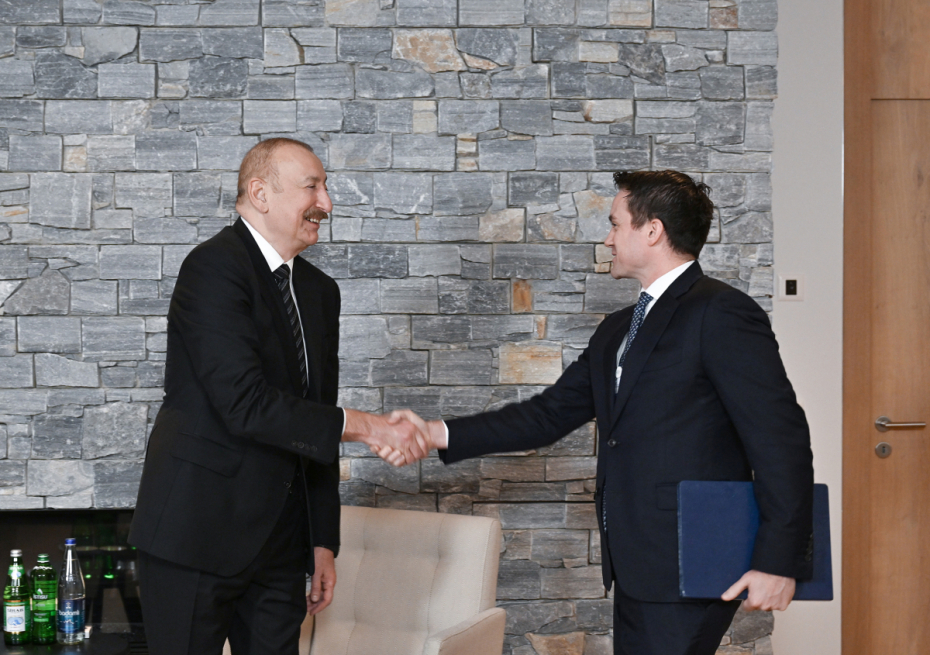
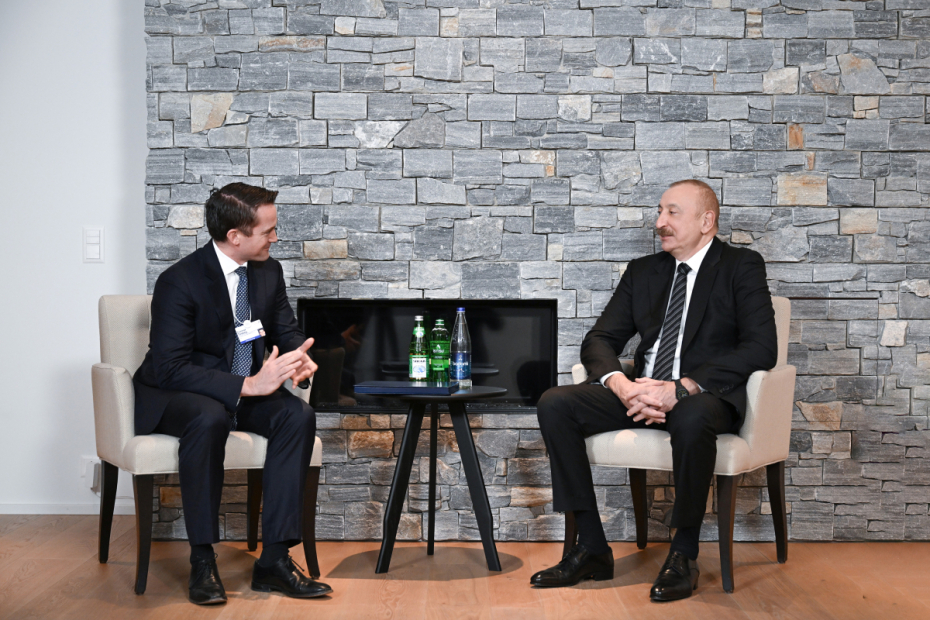
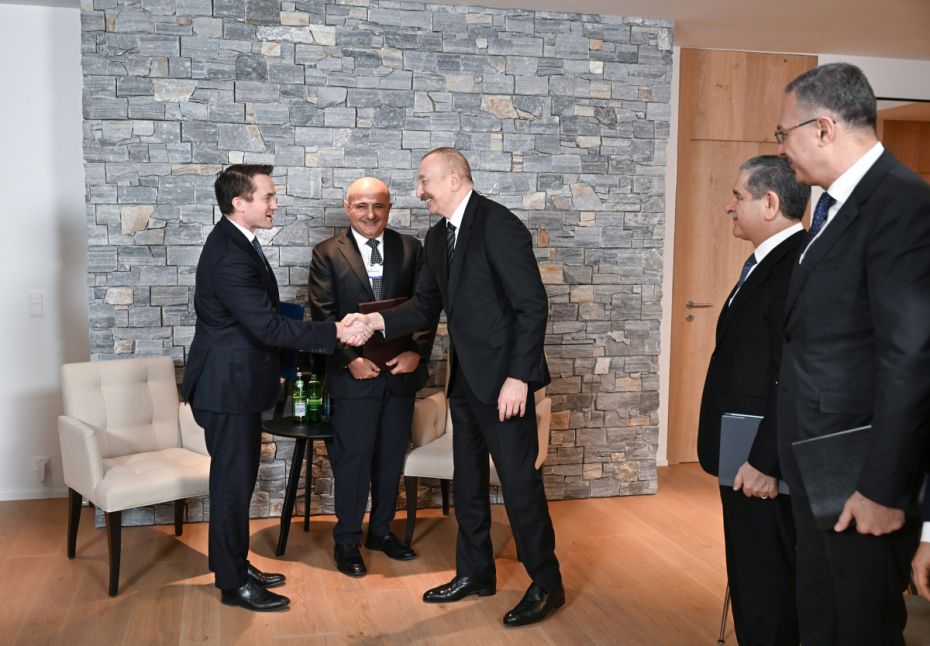
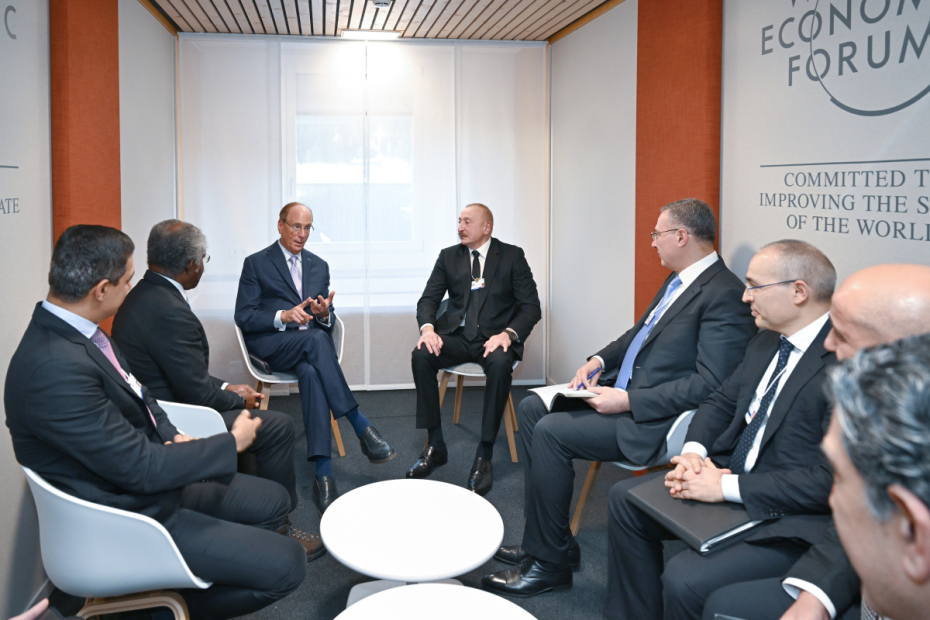
The cooperation framework was formalised during a meeting between Ilham Aliyev and Brookfield Asset Management executives on the sidelines of the forum.
The protocol of intent is designed to deepen long-term strategic cooperation and expand SOFAZ’s access to global institutional investment platforms.
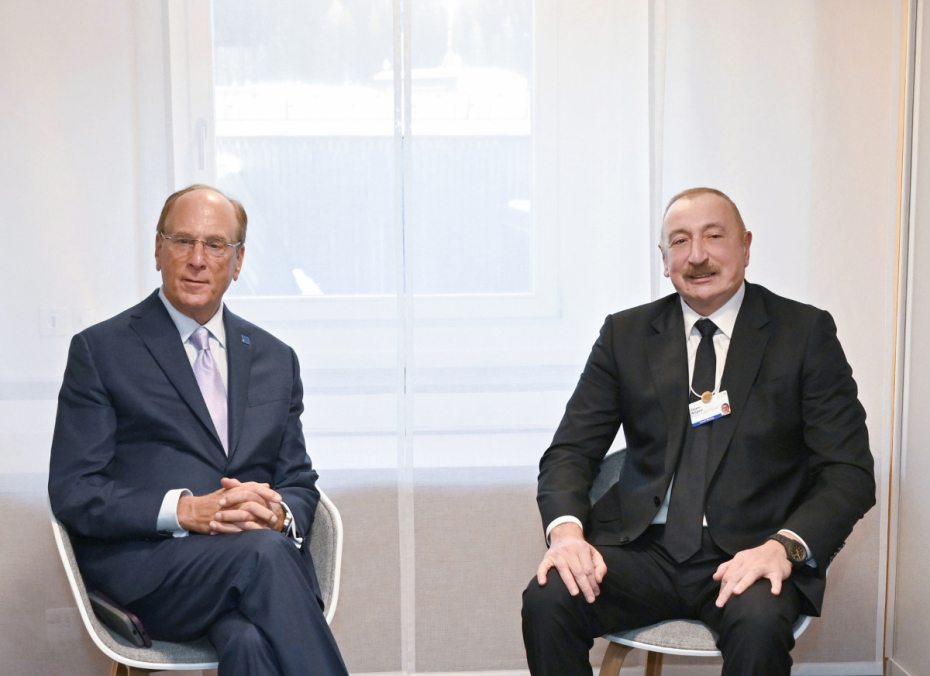
In parallel, President Aliyev also held meetings in Davos with Larry Fink, Chief Executive Officer of BlackRock, and Adebayo Ogunlesi, Founding Partner, Chairman and Chief Executive Officer of Global Infrastructure Partners, according to the Azerbaijan State News Agency.
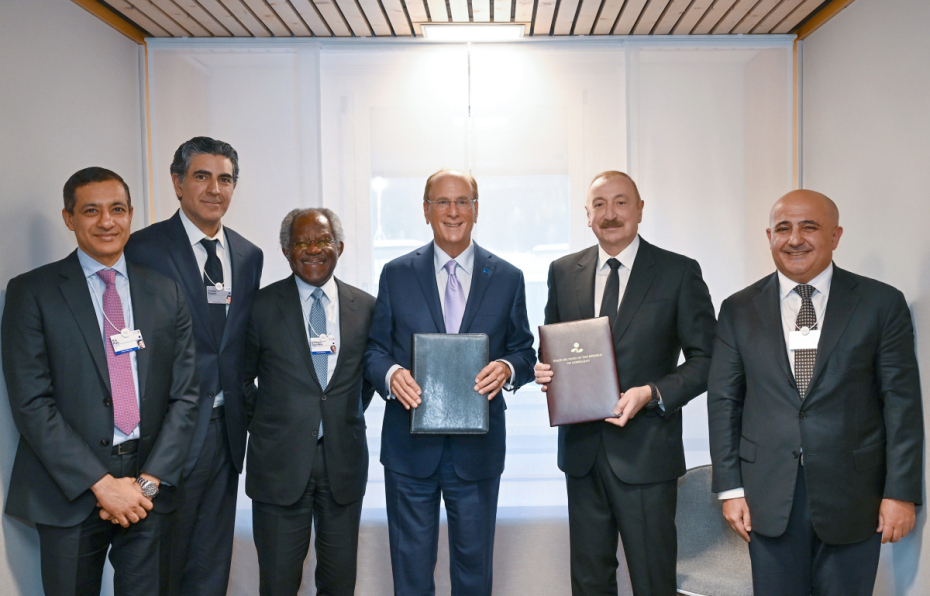
Following those talks, SOFAZ formalised a Memorandum of Intent with BlackRock and its subsidiary Global Infrastructure Partners, aimed at expanding cooperation within a long-term strategic framework.
Unlike the Brookfield agreement, the memoranda with BlackRock and GIP do not include fixed investment commitments. They are designed to explore potential co-investment opportunities, including capital commitments of up to $1.5 billion over three to four years into infrastructure funds managed by GIP and joint investment projects, subject to assessment.
According to officials, the cooperation with BlackRock and GIP will focus on sectors considered strategically important for Azerbaijan’s long-term development, including digital and financial infrastructure, data centres, transport and logistics, as well as energy transition and renewable energy, real estate and airport infrastructure.
The memoranda also envisage assessments of projects linked to regional cloud and artificial intelligence demand, drawing on GIP’s operational and management expertise.
SOCAR expands African footprint
While SOFAZ focused on financial asset diversification, SOCAR moved to expand the country’s operational energy footprint beyond the Caspian Sea.
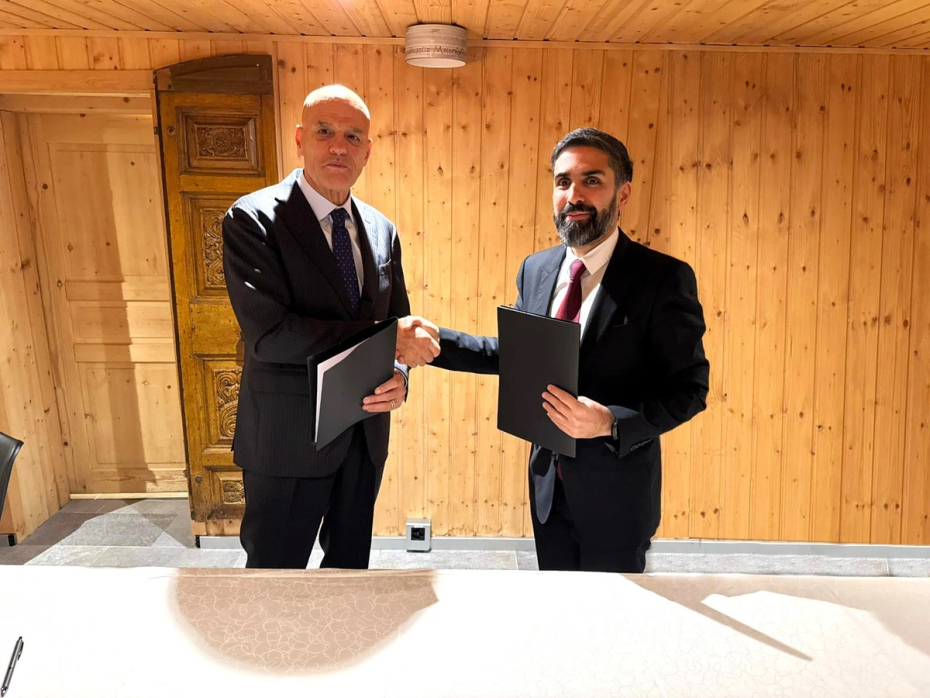
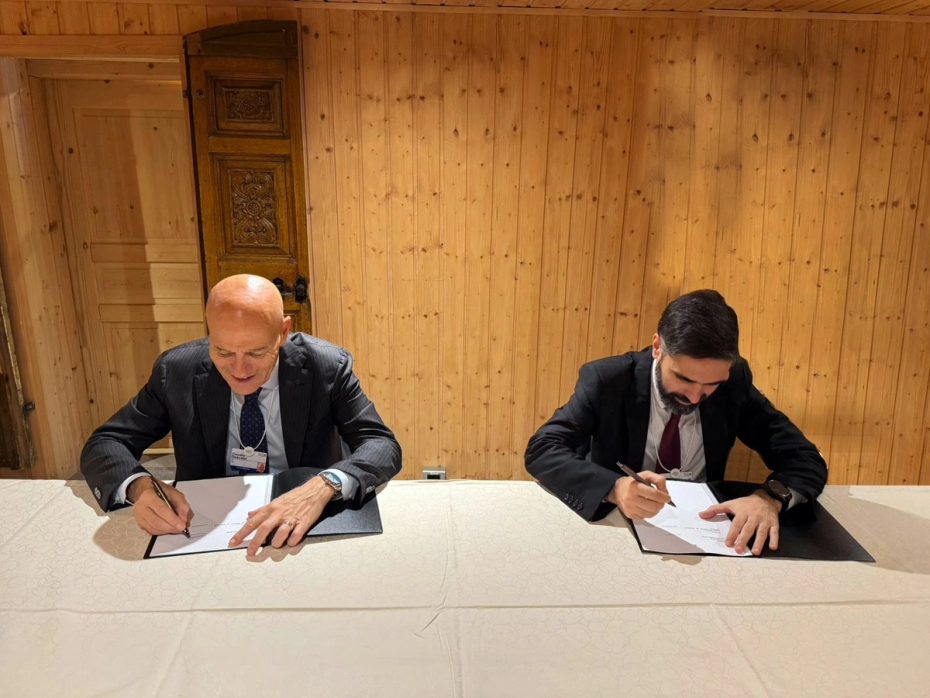
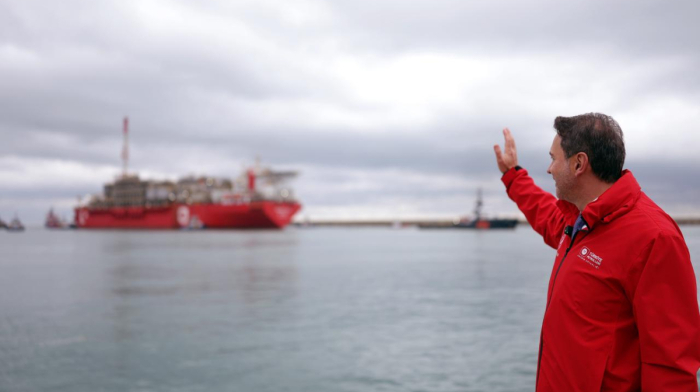
On Wednesday, SOCAR signed an agreement with Italian energy major Eni S.p.A. to acquire a 10% participating interest in the Baleine oil and gas field, located offshore Côte d'Ivoire. The document was signed by SOCAR President Rovshan Najaf and Eni CEO Claudio Descalzi.
The deal aligns with SOCAR’s strategy to secure access to international upstream assets. The Baleine field is considered one of the largest hydrocarbon discoveries in West Africa in recent years. Discovered in 2021 with production commencing in 2023, the offshore field currently produces more than 62,000 barrels of oil and 2.1 million cubic metres of gas per day.
"The agreement ensures SOCAR's access to the rich oil and gas resources of the African continent and is fully consistent with the company's global expansion strategy," a SOCAR statement read.
Crucially for the Davos audience, where climate sustainability is a key theme, the Baleine field is Africa's first net-zero emissions (Scope 1 and 2) offshore project. With the launch of Phase 3, production is projected to rise to 150,000 barrels of oil and approximately 5.7 million cubic metres of gas daily. The transaction remains subject to customary regulatory approvals.
SOFAZ, established in 1999 to manage Azerbaijan’s oil and gas revenues, holds assets in more than 60 countries and has expanded its European footprint in recent years. Its recent investments include renewable energy assets in Italy and a stake in London Gatwick Airport. As of October 2025, the fund’s total assets stood at $70.16 billion, according to official figures.
Brookfield manages more than $1 trillion in assets globally across infrastructure, renewable power, private equity, real estate and credit. BlackRock oversees around $14 trillion in assets worldwide, while GIP specialises in large-scale infrastructure investments, including airports, energy networks and digital infrastructure.
Officials said the Davos agreements reflect Azerbaijan’s broader strategy to attract long-term institutional capital, diversify away from hydrocarbons and position the country as a regional hub for infrastructure, energy and digital investment, while aligning future projects with international governance and operational standards.













What is your opinion on this topic?
Leave the first comment