Iran sees surge in protests as unrest spreads nationwide
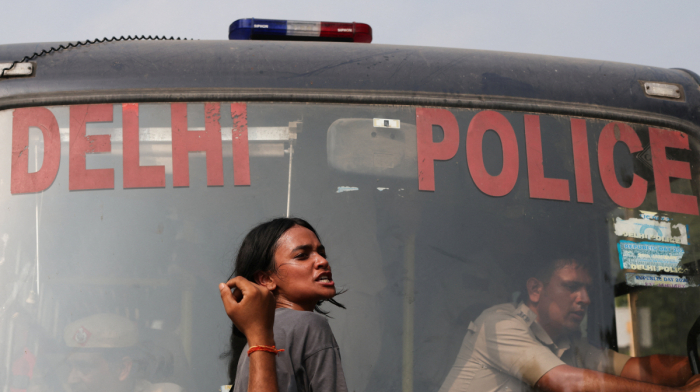
Protests continued into another day in Iran, with crowds returning to the streets despite mounting pressure from the authorities. By scale and spread,...
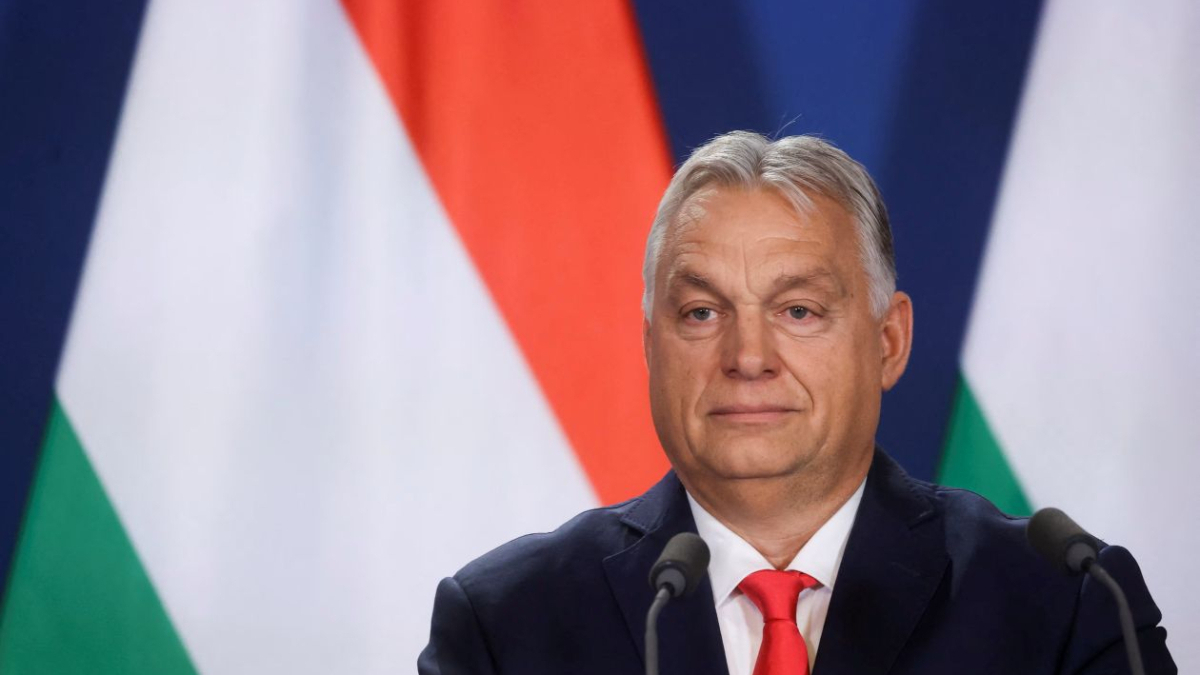
Hungarian Prime Minister Viktor Orban said he would meet Russian President Vladimir Putin in Moscow on Friday to discuss crude and gas supplies for Hungary and also peace efforts in Ukraine.
The move would also enable Hungary to provide oil to neighbouring Serbia. He said that Hungary would be “pleased” to take a role in Serbia’s NIS oil company, but added that the future of the refinery affected by U.S. sanctions remains a decision for Serbia.
Orban has maintained close relations with Moscow despite the war in neighbouring Ukraine, and Hungary is still largely reliant on Russian energy, despite European Union efforts to cut dependence.
Orban revealed his plan to meet Putin in a video interview on his Facebook page, adding, "I am going (to Moscow) to ensure that Hungary's energy supply is secured for the winter and next year."
When asked if peace efforts in Ukraine would also be on the agenda, Orban said, "We can hardly avoid that."
The United States gave Hungary an exemption from sanctions this month to use Russian oil and gas, after Orban pressed his case for a reprieve during a friendly meeting with President Donald Trump in Washington.
Hungary also signed a pact on nuclear power cooperation with the United States.
The deal provides for Hungary to buy U.S. nuclear fuel and technology to store spent fuel at a Russian-built nuclear plant, known as Paks I.
Russia's Rosatom is building an extension to the plant, a 2014 project that has been substantially delayed.
Orban has said before that he wants to revive plans for a "peace summit" in Budapest between Trump and Putin on Ukraine, which was shelved this year.
In contrast to most NATO and European Union leaders, Orban has kept up cordial relations with Russia while questioning the logic of Western military aid for Kyiv.
Hungary has imported 8.5 million tonnes of crude oil and more than 7 billion cubic meters of natural gas from Russia this year, its foreign ministry said in a statement on Friday.

Germany’s foreign intelligence service secretly monitored the telephone communications of former U.S. President Barack Obama for several years, including calls made aboard Air Force One, according to an investigation by the German newspaper Die Zeit.
Israeli media report that Israeli Prime Minister Benjamin Netanyahu chaired a lengthy security meeting that reportedly focused on the country’s regional threats, including Gaza, Lebanon, and Iran.
U.S. President Donald Trump said on Sunday (4 January) that the United States could carry out further military action in Venezuela following the capture of President Nicolás Maduro. Speaking to reporters aboard Air Force One, he said Washington now effectively controls the country.
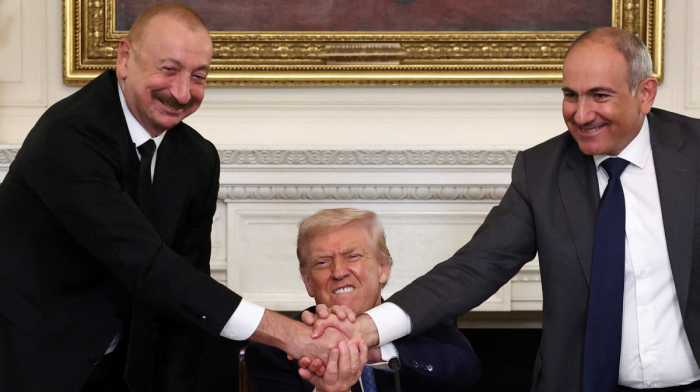
At the end of last year, U.S. President Donald Trump was reported to have raised the Azerbaijan–Armenia peace agenda during a conversation with Israel’s prime minister, warning that if peace were not achieved, Washington could raise tariffs on both countries by 100 percent.
President Ilham Aliyev said 2025 has politically closed the Armenia-Azerbaijan conflict, as a Trump-era reset in U.S. ties, new transport corridors and a push into AI, renewables and defence production reshape Azerbaijan’s priorities.
U.S. President Donald Trump and his team are actively exploring options to acquire Greenland, with discussions including the potential use of the U.S. military, which is "always an option," according to a statement from the White House on Tuesday.
Leaders from the U.S. and European countries moved closer to finalising legally binding security guarantees for Ukraine following a “Coalition of the Willing” meeting in Paris on Sunday.
At least four people were killed and several others injured on Tuesday during fighting in Aleppo, northern Syria, state media reported. The government and the Kurdish-led Syrian Democratic Forces (SDF) are trading blame for the violence.
Ukrainian President Volodymyr Zelenskyy, French President Emmanuel Macron, and British Prime Minister Keir Starmer signed a declaration of intent on Tuesday outlining the future deployment of multinational forces in Ukraine.
The United States has presented Israel and Syria with a proposal for a security agreement that would establish a joint economic zone along the border, Axios reported on Tuesday.
You can download the AnewZ application from Play Store and the App Store.
What is your opinion on this topic?
Leave the first comment