A United Nations human rights expert called on Friday for the United States to lift its long-standing sanctions against Cuba, highlighting the devastating impact of the trade and financial restrictions on the island’s educational system, food security, healthcare, and overall humanitarian situation.
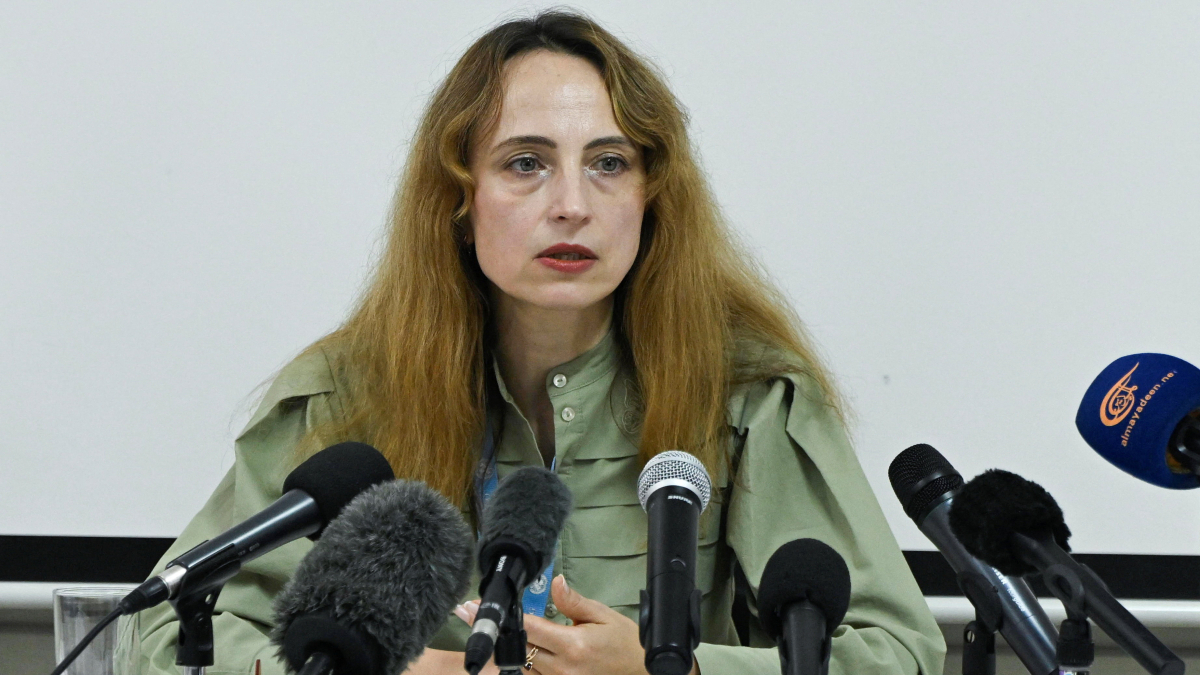
Alena Douhan, the UN Special Rapporteur on human rights, stated that U.S. sanctions against Cuba "do not conform to a broad number of international legal norms."
Speaking in Havana, Douhan pointed out that the trade embargo, often referred to as a blockade, has substantially worsened the humanitarian crisis in Cuba, particularly by preventing the country from receiving essential economic revenue, especially in hard currency.
Douhan's remarks come after a majority of UN member nations overwhelmingly called for the lifting of the U.S. economic embargo against Cuba in a vote held last month. While the UN's vote carries significant political weight globally, only the U.S. Congress has the power to remove the Cold War-era sanctions.
The U.S. government has long defended the embargo, arguing that Cuba's communist-run government is responsible for the island's economic difficulties and alleging that Cuba uses the sanctions as a scapegoat to deflect blame for its own failings and "incompetence."
Douhan’s comments also coincide with a severe economic crisis in Cuba that has led to a depleted public treasury, a collapsed tourism industry, and critical shortages of food, fuel, and medicine. These shortages have triggered a record number of Cubans fleeing the island in search of better opportunities elsewhere.
During her visit, Douhan met with a wide range of representatives from both the public and private sectors in Cuba to assess the real-life effects of the sanctions on the country. She noted that the embargo has exacerbated the island's economic woes, making it more difficult for Cuba to recover from its financial difficulties.
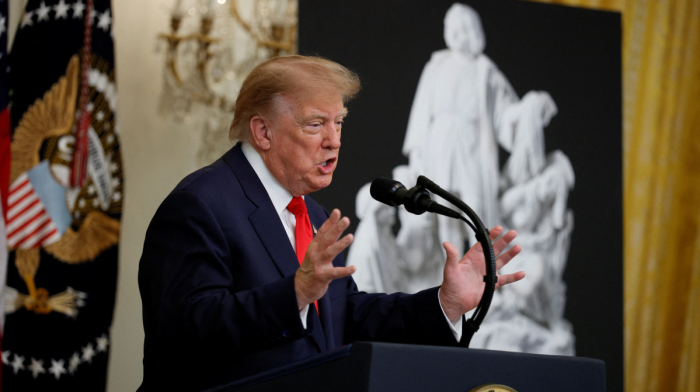
Under the administration of former U.S. President Donald Trump, sanctions against Cuba were significantly intensified. Cuba was returned to the U.S. list of state sponsors of terrorism, rules on remittances from Cuban Americans were tightened, and migration programs introduced under President Joe Biden were effectively shut down. These measures have contributed to Cuba’s ongoing economic hardship, further isolating the country on the international stage.
The U.S. State Department did not immediately respond to requests for comment regarding Douhan’s statements. However, her call for an end to the sanctions adds to the growing international pressure on the U.S. to reconsider its long-standing stance on Cuba.
As Cuba continues to struggle with its economic crisis, the debate over the effectiveness and humanitarian impact of the U.S. embargo remains a contentious issue in both Cuba and the international community.












What is your opinion on this topic?
Leave the first comment