U.S. and Iran exchange threats - Tuesday, 10 March
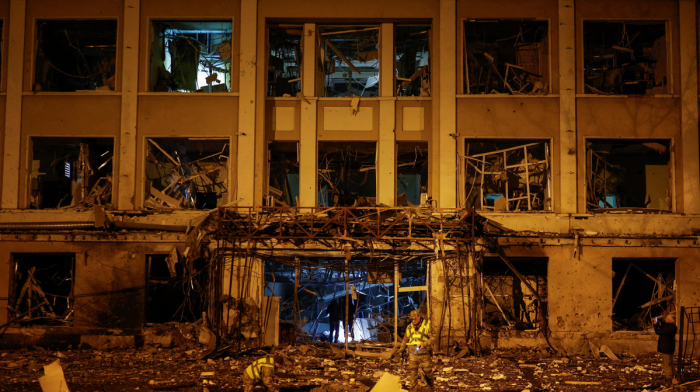
Tensions in the region remained high on Tuesday (10 March), as the United States and Iran exchanged increasingly sharp warnings, including thr...
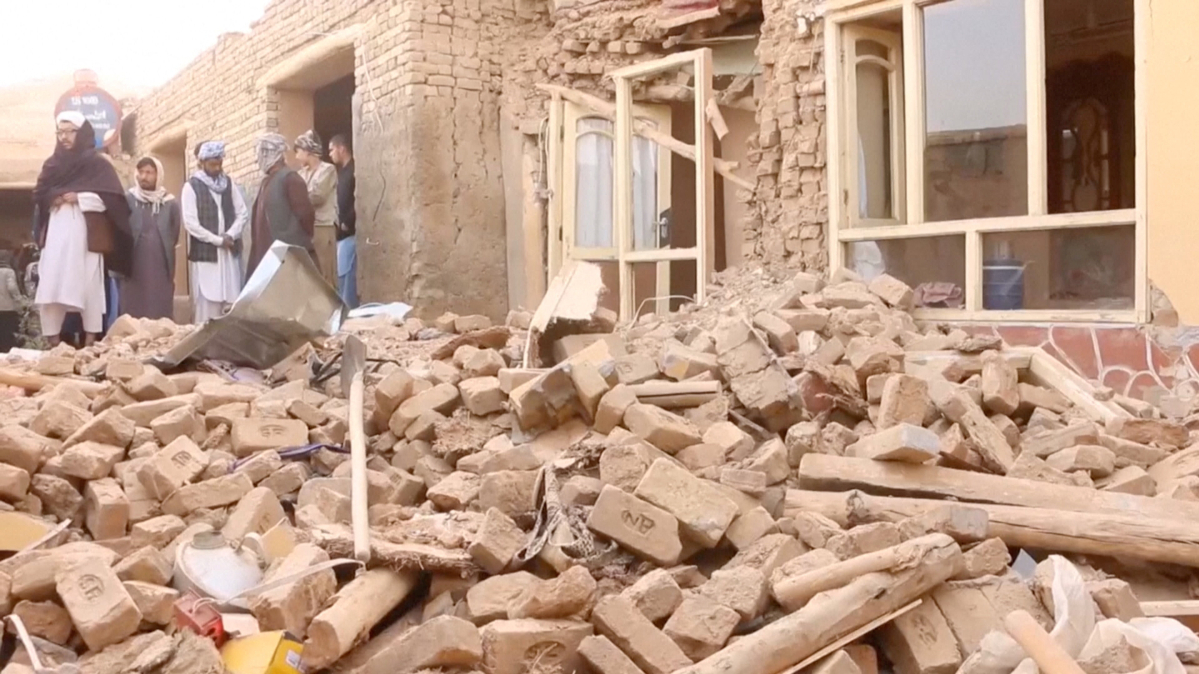
Residents of northern Afghanistan began a clean-up operation on Tuesday after a powerful 6.3 magnitude earthquake left at least 20 dead and almost 1,000 injured.
The quake struck near the northern Afghan city of Mazar-i-Sharif early on Monday, killing at least 20 people and damaging the city's historic Blue Mosque, authorities said.
Some 945 people have been injured, according to the latest figures from United Nations Office for the Coordination of Humanitarian Affairs in Afghanistan.
On Tuesday, residents in Tangi Tashqurgan, an area close to the quake epicentre, were digging out rubble and reinforcing affected buildings.
Mohammad Yasin, a local shopkeeper, said dozens of structures had been damaged or destroyed in the quake.
"If you go inside the shops, you feel afraid they might collapse any moment, maybe now or in 10 minutes," he said.
The United Nations has pledged assistance, along with India, which is seeking to thaw ties with the Taliban government in Afghanistan, which is still under sanctions from many Western nations.
China said on Tuesday it would also offer aid.

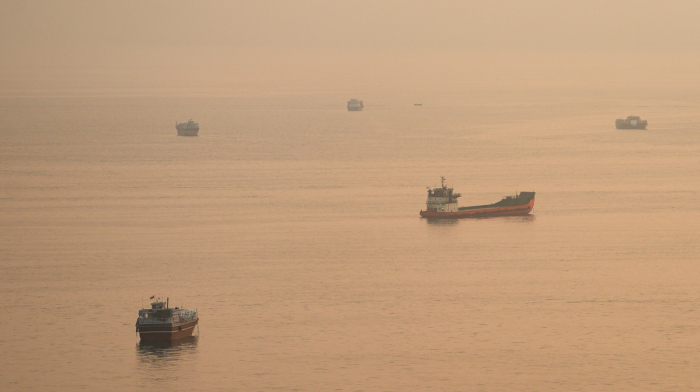
Tensions in the region remained high on Tuesday (10 March), as the United States and Iran exchanged increasingly sharp warnings, including threats over the strategic Strait of Hormuz, a critical artery for global oil supplies.
Global oil prices surpassed $119 a barrel on Monday (9 March, 2026), an almost four year high, as the Middle East conflict rumbled on.
China has urged Afghanistan and Pakistan to resolve their dispute through dialogue after Chinese envoy Yue Xiaoyong met Afghan Foreign Minister Amir Khan Muttaqi, as fighting between the two neighbours entered its eleventh day.
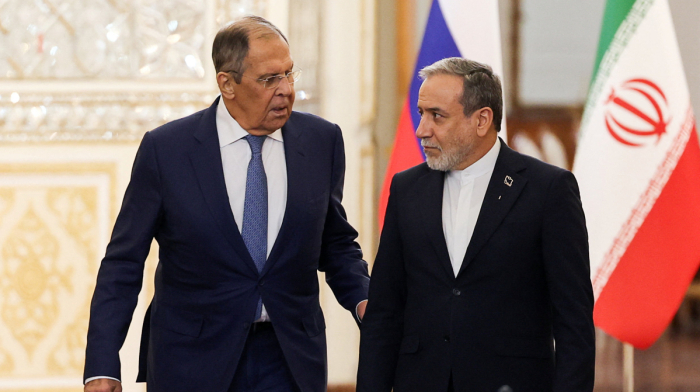
Entry and exit across the state border between Azerbaijan and Iran for all types of cargo vehicles, including those in transit, will resume on 9 March, according to a statement by the Cabinet of Ministers of Azerbaijan.
Iran named Mojtaba Khamenei to succeed his father Ali Khamenei as supreme leader on Monday (9 March), signaling that hardliners remain firmly in charge, as the week-old U.S.-Israeli war with Iran pushed oil above $100 a barrel.
U.S. Ambassador to the United Nations, Mike Waltz, has addressed the U.N. Security Council, saying the world must consider how effective its engagement with the Taliban-run country is as millions face hunger.
British MPs have rejected a proposal to introduce an Australia-style ban on social media for under-16s, opting instead to give ministers flexible powers to impose restrictions on platforms.
Australia has granted humanitarian visas to five Iranian women footballers who sought asylum, fearing persecution after refusing to sing their national anthem at an Asia Cup match.
Start your day informed with AnewZ Morning Brief. Here are the top news stories for the 10th of March, covering the latest developments you need to know.
U.S. President Donald Trump called his recent phone conversation with Russian President Vladimir Putin “very good.” The two leaders spoke on Monday about the situation in Iran and other international issues.
You can download the AnewZ application from Play Store and the App Store.
What is your opinion on this topic?
Leave the first comment