Rohingya genocide explained: What the landmark ICJ ruling means for Myanmar
The United Nations' highest court has ruled that Myanmar committed genocide against its Rohingya Muslim minority during a 2017 military crackdo...
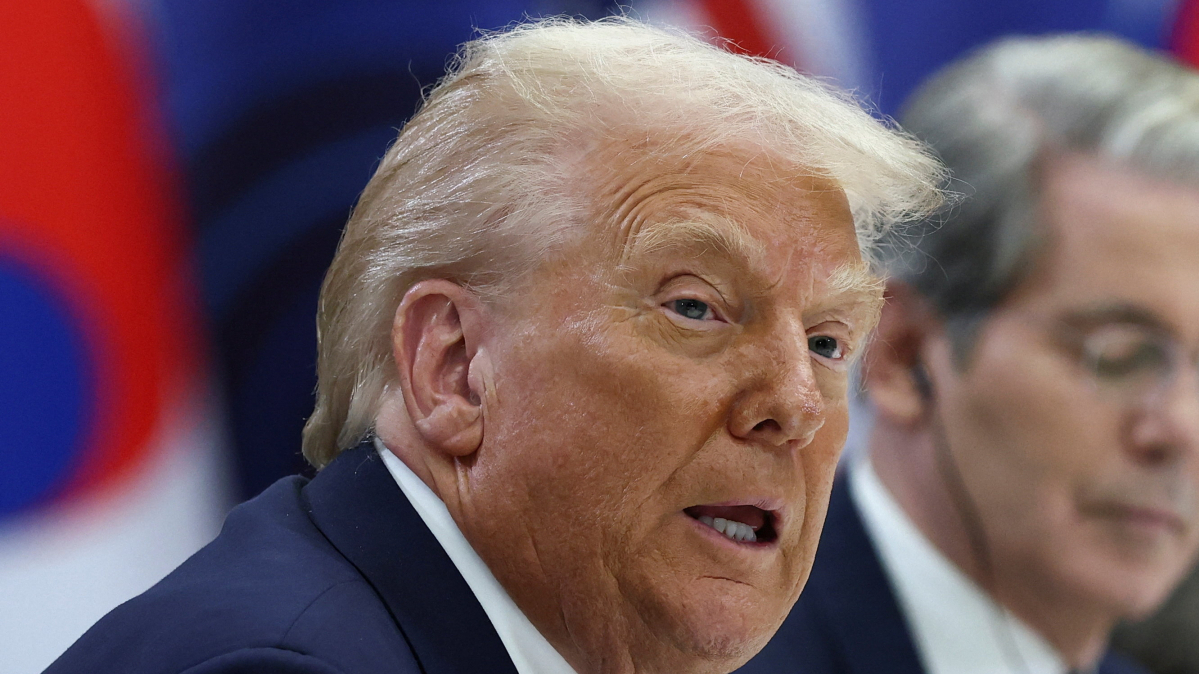
President Donald Trump announced on Thursday that he has approved South Korea to build a nuclear-powered submarine, which will be constructed in the United States, during his ongoing trip to Asia.
Trump made the announcement on his Truth Social platform, saying: “I have given them approval to build a Nuclear Powered Submarine, rather than the old fashioned, and far less nimble, diesel-powered Submarines that they have now.”
The approval comes after discussions with South Korean President Lee Jae Myung, who also secured agreements to purchase vast quantities of U.S. oil and gas. The two leaders finalized details of a complex trade deal at a summit in South Korea on Wednesday.
Under existing agreements, Seoul is barred from reprocessing nuclear fuel for submarines without U.S. consent. The new submarine project is designed to allow South Korea to track North Korean and Chinese vessels for extended periods.
Trump confirmed that the nuclear-powered submarine will be built in Philadelphia, highlighting U.S. involvement in the project.
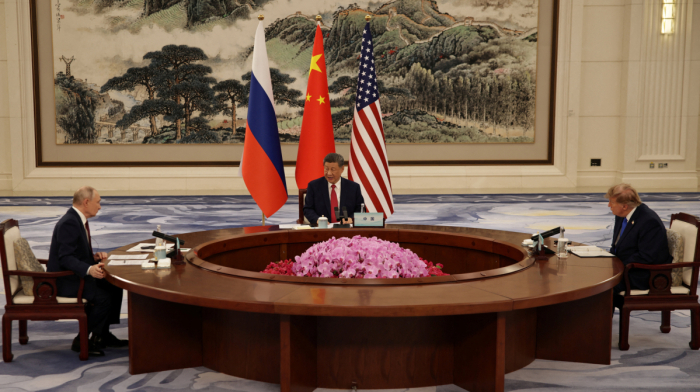
U.S. President Donald Trump, Russian President Vladimir Putin and Chinese President Xi Jinping are holding trilateral talks at the APEC summit in Shenzhen, China, with Ukraine, nuclear arms control and global security on the agenda.
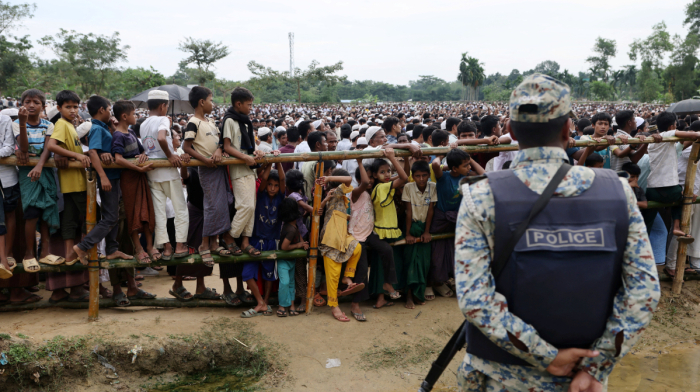
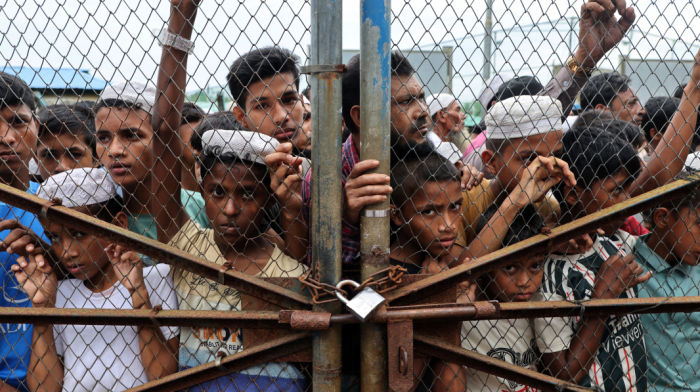
Myanmar's security forces committed genocide against Rohingya Muslims during a brutal military crackdown in 2017 that killed thousands and involved widespread sexual violence, the United Nations' top court ruled on 19 November.
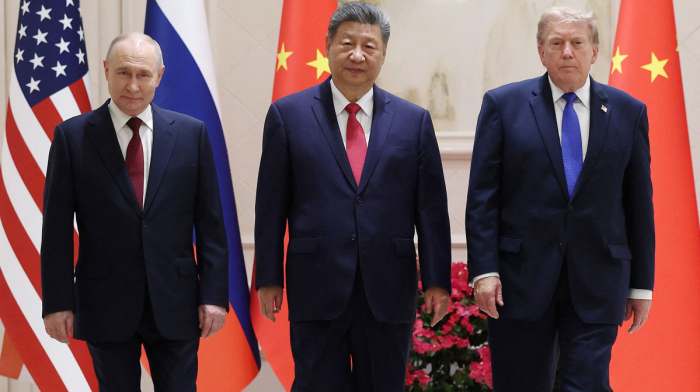
U.S. President Donald Trump, China's Xi Jinping and Russia's Vladimir Putin have issued a joint “declaration of peace” following historic talks in southern China, but stopped short of committing to nuclear arms reductions or addressing the war in Ukraine in their joint statement.
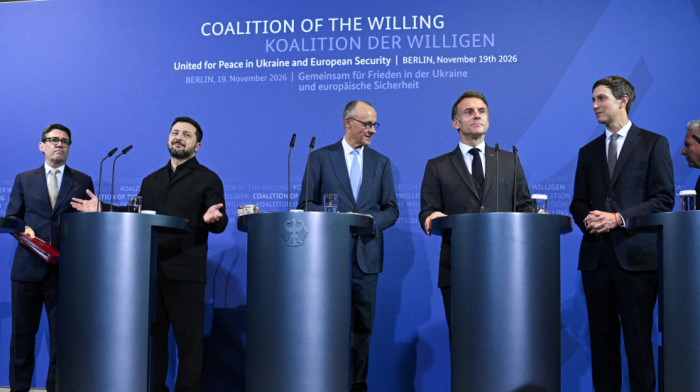
European leaders backing Ukraine met in Berlin on Thursday 19 November and warned that no peace deal should be settled without them.
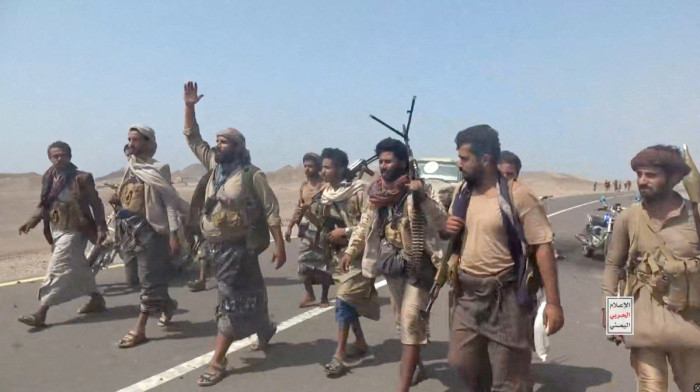
Saudi Arabia is preparing for up to six more months of fighting against Yemen’s Houthis, potentially extending the conflict into spring 2027, Reuters reported, as the kingdom struggles to secure gains on the ground.
The United Nations' highest court has ruled that Myanmar committed genocide against its Rohingya Muslim minority during a 2017 military crackdown that forced hundreds of thousands to flee their homes.
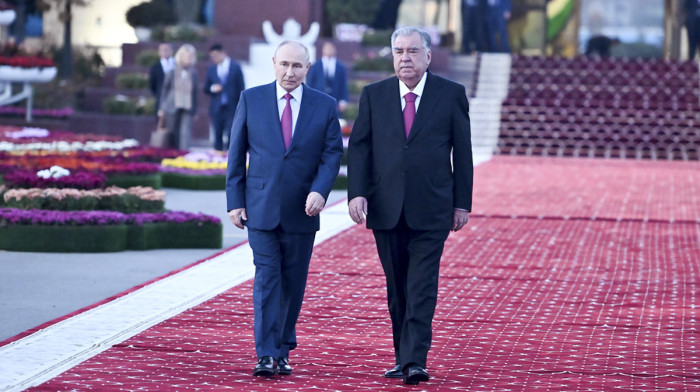
Tajik President Emomali Rahmon and Russian President Vladimir Putin held talks in Dushanbe on 20 November, focusing on labour migration, security along Tajikistan’s border with Afghanistan and the future of Russia’s military presence in the country.
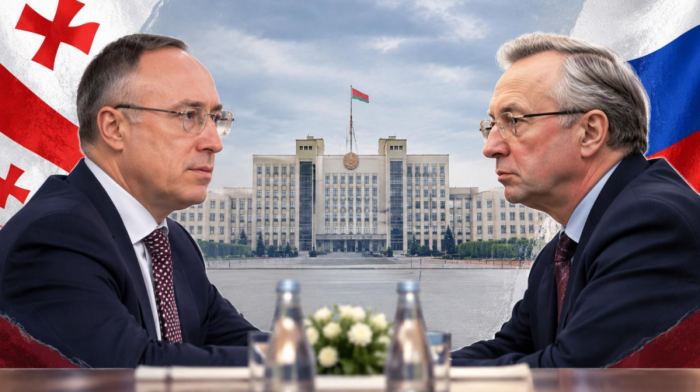
Georgia and Russia have resumed direct official talks, with senior diplomats meeting in Minsk on 19 November to discuss trade, economic cooperation and regional security, despite longstanding tensions between the two countries.
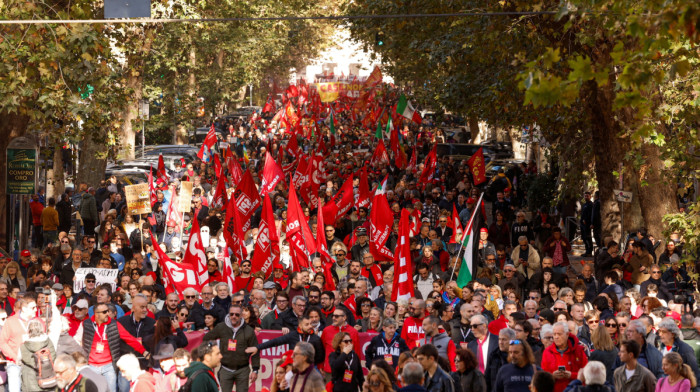
Students and workers took to the streets across Europe on Friday, 20 November, demanding better pay, affordable housing and more funding for education and public services, while protesting against rising military spending.
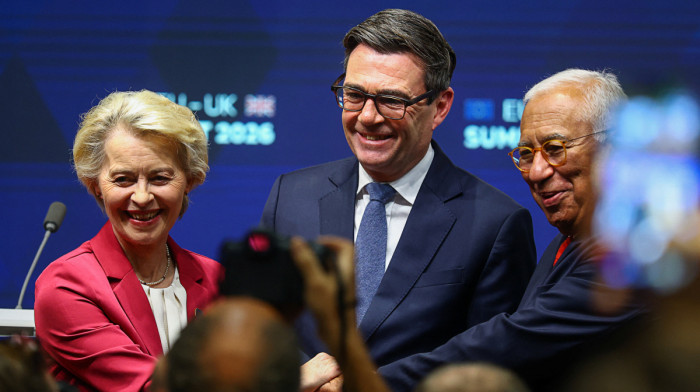
Britain and the European Union have reached an agreement to ease trade, expand opportunities for young people and deepen economic ties, in a major step towards rebuilding relations after Brexit.
You can download the AnewZ application from Play Store and the App Store.
What is your opinion on this topic?
Leave the first comment