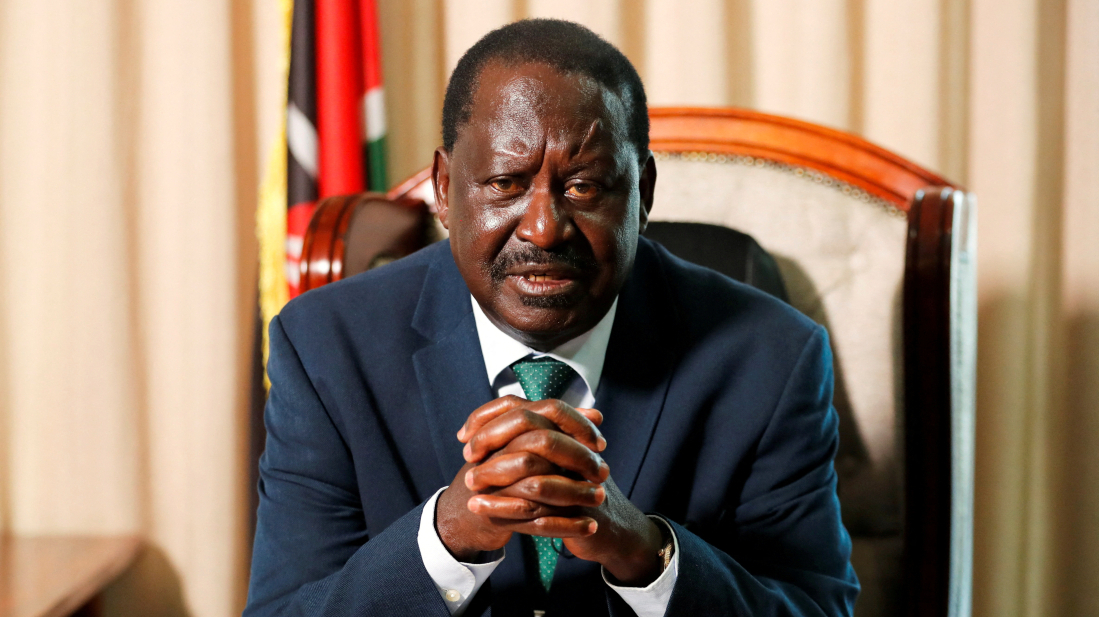
Kenya's veteran opposition leader Raila Odinga, who was imprisoned multiple times while fighting one-party autocracy and ran five times unsuccessfully for president, died aged 80 on Wednesday in India.
Odinga had been receiving medical treatment abroad and suffered a cardiac arrest, according to the hospital in the city of Kochi where he died.
He was for decades at the heart of Kenyan politics, striking alliances with former foes, serving as prime minister for a term, and inspiring lifelong loyalty from his base, particularly among fellow Luos in the west and in the capital Nairobi.
Odinga's ability to work with rivals earned him the nickname "Agwambo" ("mysterious one") in the Luo language.
Supporters called him "Baba" ("father" in Swahili), refusing to turn their back even when he was accused of exploiting ethnic divisions for political gain or of striking deals with opponents for the sake of personal power.
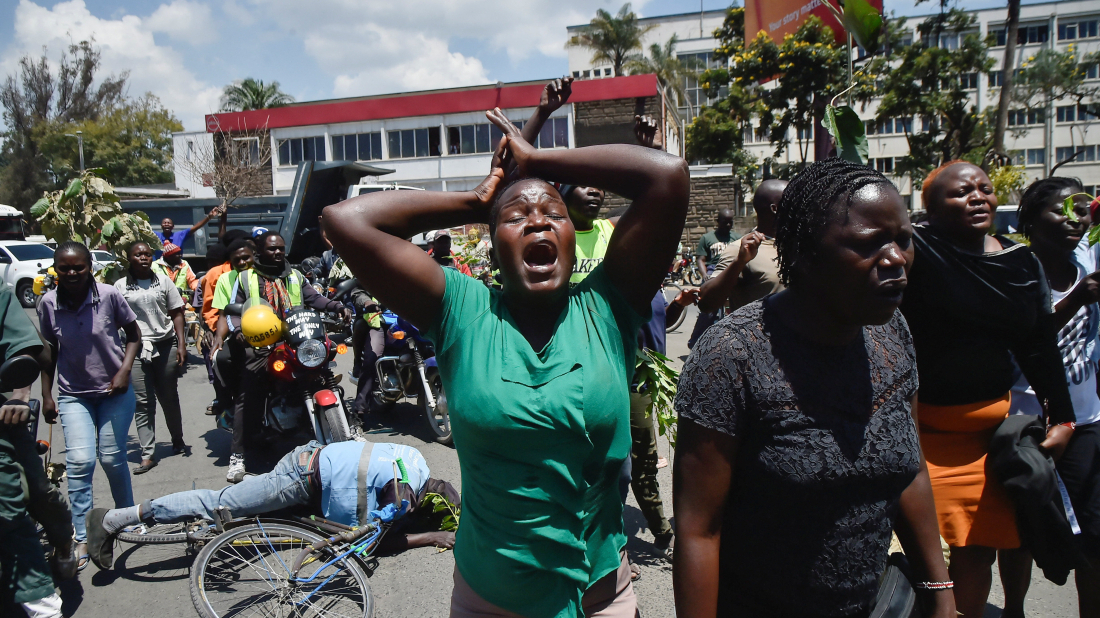
Upon news of his passing, hundreds of supporters from the Nairobi slum of Kibera, many crying and waving twigs to ward off bad omens, made their way in a procession to Odinga's family home in the capital's upscale Karen suburb.
Crowds also gathered in the lakeside town of Kisumu and the Rift Valley town of Eldoret where Odinga was popular.
His legacy as a democracy activist over the years helped seal two of Kenya's most important reforms: multiparty democracy in 1991 and a new constitution in 2010.
Odinga led protests after a disputed 2007 vote plunged Kenya into its most serious political violence since independence.
About 1,300 people were killed and hundreds of thousands were displaced in fighting between Odinga's Luo tribe and then-President Mwai Kibaki’s Kikuyus, the largest and richest group.
Violence also followed the 2017 vote. Odinga told Reuters then: "Each community believes that they are not safe unless their man is at the top".
PRISON 'A GOOD SCHOOL'
Odinga was the son of Oginga Odinga, Kenya's first vice-president under independence leader Jomo Kenyatta.
The fathers' rivalry continued with their sons.
Despite his family's extensive business interests, Odinga spent his early years as a left-wing firebrand, naming his son Fidel in honour of the Cuban Communist leader Fidel Castro.
Odinga was first imprisoned in 1982 after a coup attempt against then-President Daniel arap Moi, whose government jailed, tortured and murdered opponents. He served a total of nine years in jail, six in solitary confinement.
"Detention is a good school. You learn to reflect and think," Odinga told Reuters in 2007. "You also learn tolerance, to be forgiving, particularly against your adversaries."
Odinga first won his parliamentary seat in 1992, which included Kibera. He held the constituency until 2013, his bright orange Hummer mobbed whenever it bounced into the muddy lanes.
He lost his first presidential bid in 1997 against Moi. Four years later, Odinga formed a coalition government with him, a move some saw as opportunistic but he said was pragmatic.
"Democratisation is not like an instant coffee you brew and drink at the same time. It is a process," he said at the time.
The pattern continued, with Odinga breaking and building alliances with rivals over the next two decades.
He became prime minister in 2008 in a national unity government headed by his former foe Kibaki, as part of a deal to end the bloodletting.
Following the 2017 election, he reconciled with his opponent President Uhuru Kenyatta in what is dubbed the "Handshake".
He lost the 2022 election to now President William Ruto and challenged the result, which was upheld by the Supreme Court.
TRIBUTES
Undeterred, Odinga, by then in his late seventies, launched street protests against the government, only to strike a pact with Ruto in 2024, following a familiar playbook but effectively leaving Kenya without an official opposition.
Ruto visited Odinga's home on Wednesday morning and announced a state funeral and seven days of national mourning, moves likely to calm any political passions over his death.
"He championed reforms that gave birth to the rights and freedoms we hold dear today, his voice spoke for the oppressed. His conviction inspired generations, and his vision shaped the course of our history," Ruto said in an address to the nation.
Tributes to Odinga also flowed in from abroad, especially around Africa where he was a well-known figure.
"H.E. Raila Odinga was a towering figure in Kenya’s political life and a steadfast champion of democracy, good governance, and people-centred development," said African Union Commission head, Mahmoud Ali Youssouf, who defeated Odinga in the bloc's leadership contest this year.
Among Kenyans, opinions were divided over his legacy.
"May his fight for democracy continue to inspire our nation’s leaders," said Nairobi resident Grace Mbugua.
"He may not have had the best interests of all Kenyans at all times, and during his push for democracy, many lives were lost," added accountant Patrick Mungai.











What is your opinion on this topic?
Leave the first comment