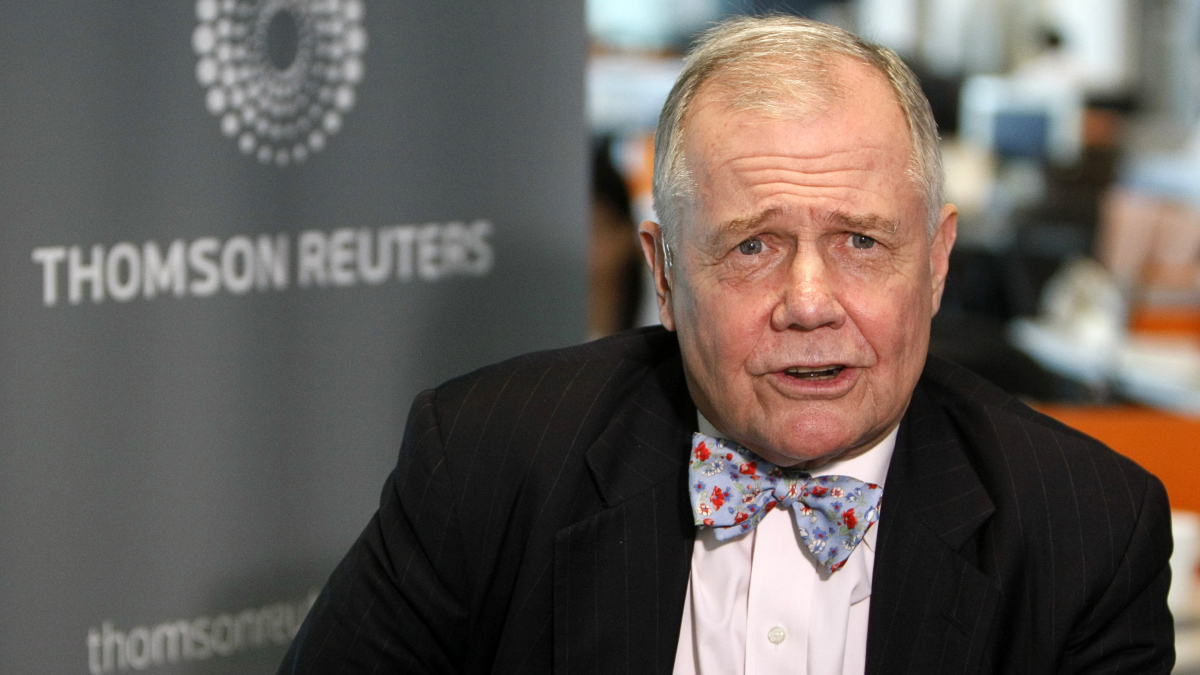
American investor Jim Rogers has confirmed that he has acquired shares in a broad range of Uzbek companies listed on the country’s stock exchange, describing Uzbekistan as an increasingly attractive destination for long-term investment.
The chairman of Beeland Interests said he added Uzbek equities to his portfolio toward the end of 2025, after exiting investments in Russia and reassessing exposure to other emerging markets.
Rogers clarified that his investments in Uzbekistan were limited to equities and did not include sovereign debt instruments. He also said he did not hedge currency risk, indicating confidence in the Uzbek soum.
The investor did not disclose the total value of his purchases, nor did he name specific companies or the size of individual stakes. However, his comments point to a diversified approach across listed firms rather than a single-company bet.
Uzbekistan’s equity market remains relatively small by international standards, but authorities have been working to expand capital markets as part of broader economic reforms.
The Tashkent Stock Exchange has gradually increased trading activity in recent years, alongside privatisation plans and efforts to improve corporate governance and transparency.
Rogers has previously spoken positively about Uzbekistan’s reform agenda. In a 2021 interview, he described the country as “open to investment” and highlighted interest in sectors such as tourism, aviation and hospitality. His latest comments suggest that this assessment has translated into concrete investment decisions.
The move comes in a year of strong capital inflows into Uzbekistan. Total investments mastered in the economy reached $43.1 billion in 2025, including $38.2 billion in direct foreign investment and $4.9 billion from international financial institutions.
Authorities say investment growth has been driven by energy, infrastructure, industry and services, alongside continued interest from partners such as China, Russia, Türkiye, Saudi Arabia and the United Arab Emirates.
Uzbek officials have repeatedly stated that developing domestic capital markets is a priority, both to attract foreign portfolio investors and to mobilise domestic savings. The government has also pledged to expand the number of publicly listed companies through staged privatisation and market-based financing tools.
For now, the precise scale of the investment remains undisclosed. What is clear is that one of the world’s best-known global investors is positioning himself early in a market he believes still has room to grow



















What is your opinion on this topic?
Leave the first comment