live U.S. launches fresh Iran strikes as Tehran retaliates in Gulf
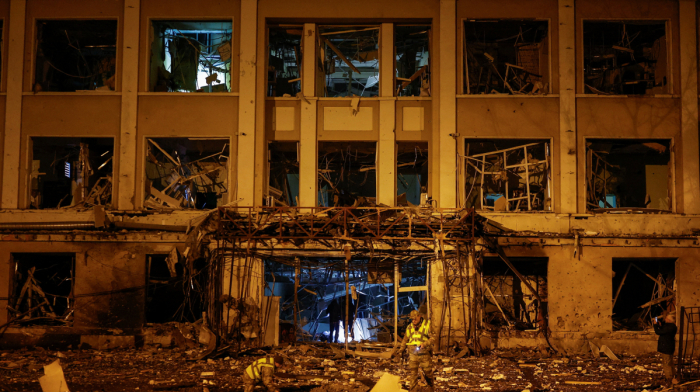
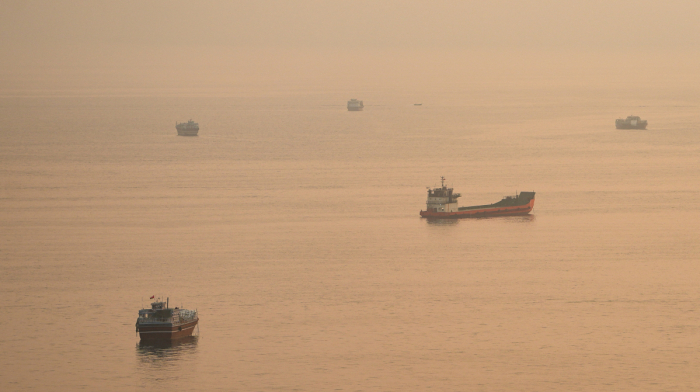
The U.S. military said on Wednesday it launched fresh strikes on Iran to keep the Strait of Hormuz open to shipping, triggering Iranian attacks on Kuw...
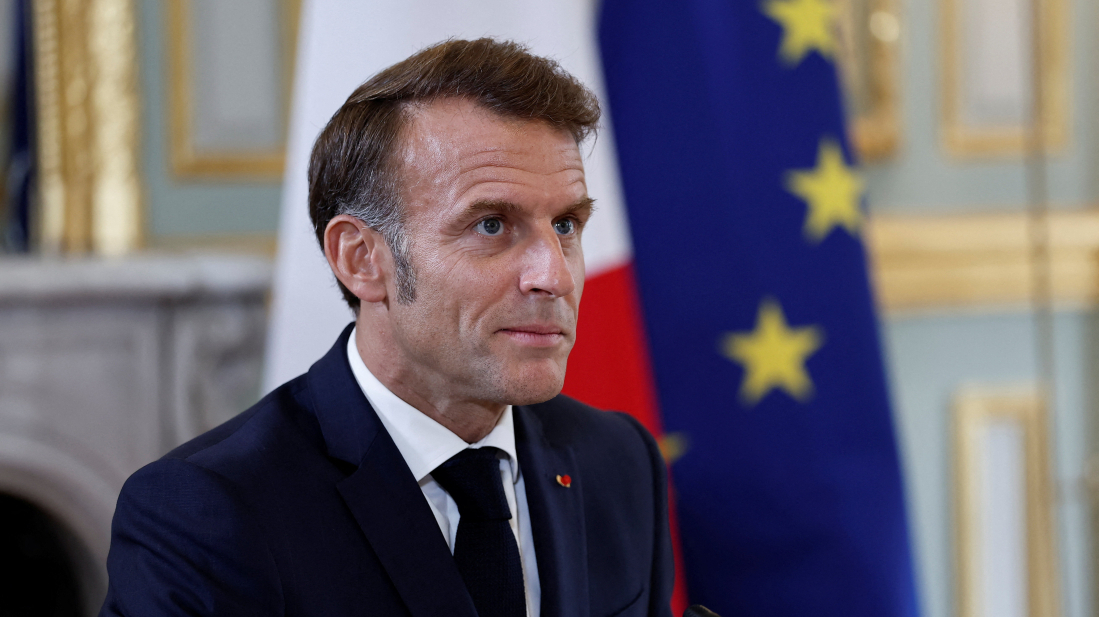
European powers will likely reimpose international sanctions on Iran by the end of the month after their latest round of talks with Tehran aimed at preventing them were deemed not serious, France's President Emmanuel Macron said on Thursday.
Britain, France and Germany, the so-called E3, launched a 30-day process at the end of August to reimpose UN sanctions. They set conditions for Tehran to meet during September to convince them to delay the 'snapback mechanism'.
The offer by the E3 to put off the snapback for up to six months to enable serious negotiations is conditional on Iran restoring access for UN nuclear inspectors, who would also seek to account for Iran's large stock of enriched uranium and engaging in talks with the U.S.
When asked in an interview on Israel's Channel 12 whether the snapback was a done deal, Macron said:
"Yes. I think so because the latest news from the Iranians is not serious."
E3 foreign ministers, the European Union foreign policy chief and their Iranian counterpart held a phone call on Wednesday, in which diplomats on both sides said there had been no substantial progress though the door was still open to try and reach a deal before the deadline expired.
The 15-member UN Security Council will vote on Friday on a resolution that would permanently lift UN sanctions on Iran - a move it is required to take after the E3 launched the process.

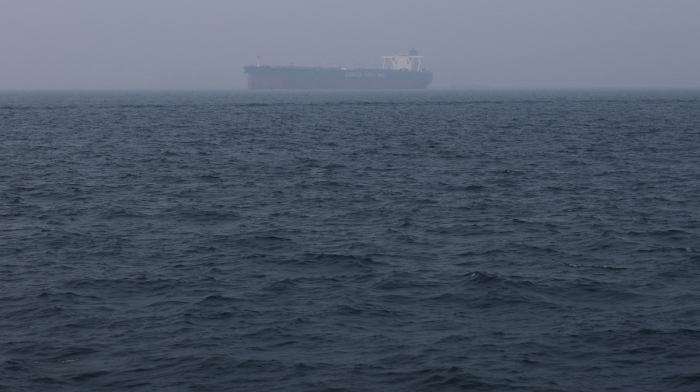
The U.S. says it has launched strikes on Iran after alleged attacks on three commercial vessels in the Strait of Hormuz. Washington described the action as a response to threats against civilian shipping and a breach of the ceasefire.
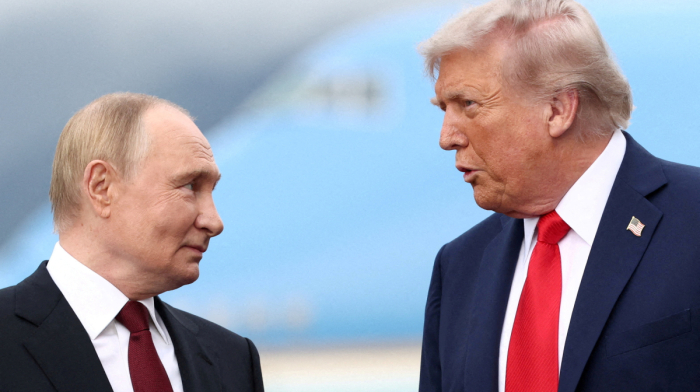
U.S. President Donald Trump said on Wednesday that the memorandum of understanding signed with Iran to end the conflict was "over", adding he did not want to engage with Tehran, calling the Iranian leadership "sick people".
NATO leaders are unveiling multi-billion-dollar arms deals in Ankara as President Donald Trump joins the summit, highlighting Europe's increased defence spending amid tensions over Russia and Iran, and following years of U.S. criticism of the alliance.
Typhoon Bavi churned southeast of Taiwan in the Pacific Ocean on Thursday, its winds easing overnight to just shy of 200 kph (124 mph), as authorities urged residents to stock up on supplies and brace for what could be the most powerful typhoon since 2024.
Mark Rutte, Secretary General of NATO, has described fresh U.S. strikes on Iran as "absolutely necessary," in remarks at the start of the second day of the alliance's sumit in the Turkish capital Ankara.
China's technology sector is producing billion-dollar startups at its fastest pace in nearly five years, with artificial intelligence and robotics driving a new wave of investment that is reshaping the country's innovation economy.
Western Europe experienced its hottest June since records began in 2026, according to the Copernicus Climate Change Service (C3S). The record-breaking month brought extreme heat, widespread disruption and thousands of excess deaths across parts of the continent.
South Korea's Supreme Court has upheld former President Yoon Suk Yeol's seven-year prison sentence in a case linked to his 2024 attempt to impose martial law.
Germany has reached an agreement with the U.S. to purchase Tomahawk cruise missiles and deploy them on German territory, Chancellor Friedrich Merz told lawmakers in Berlin on Thursday.
Australia and India have finalised an agreement allowing Australian uranium exports for India's nuclear energy sector, expanding cooperation on clean energy, critical minerals and infrastructure as the two countries strengthen their strategic and economic partnership.
You can download the AnewZ application from Play Store and the App Store.
What is your opinion on this topic?
Leave the first comment