Jangmi disrupts Japan flights as Amami braces for torrential rain
Japan warned residents in Amami and southern Kyushu to prepare for torrential rain on Tuesday (2 June), after Severe Tropical Storm Jangmi battered Ok...
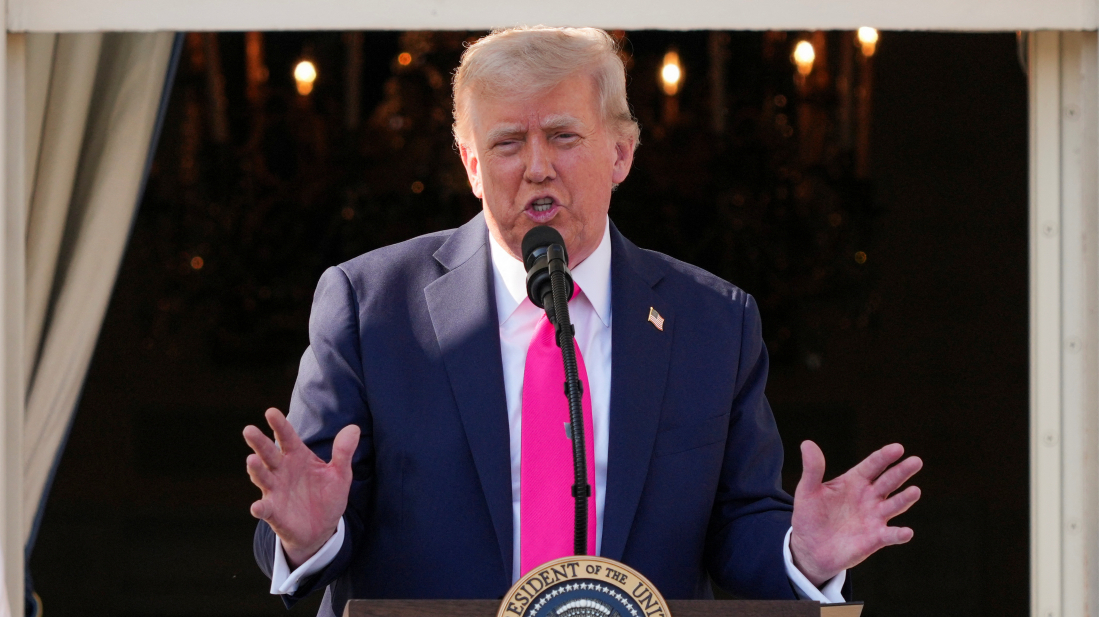
President Donald Trump said that the U.S. will send additional weapons to Ukraine, just days after ordering a sudden pause in key arms deliveries — a decision that drew concern from Kyiv and its allies.
“We have to,” Trump told reporters on Monday. “They have to be able to defend themselves. They’re getting hit very hard now.”
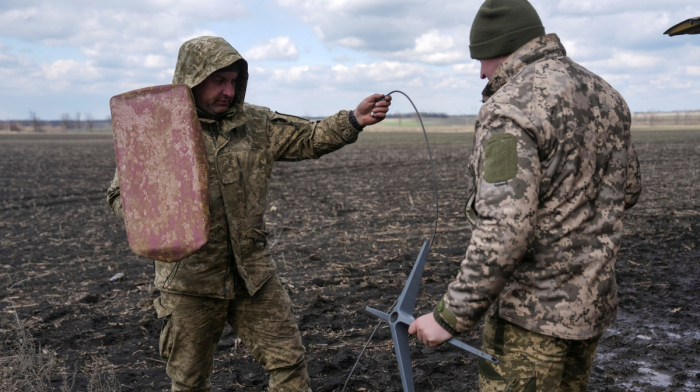
The reversal comes as Russian strikes intensify, with more than 1,270 drones, 39 missiles, and nearly 1,000 glide bombs fired at Ukraine in the past week, according to President Volodymyr Zelenskyy. Recent attacks have killed at least 11 civilians and injured over 80, including children.
According to a Wall Street Journal report published shortly before Trump’s remarks, The White House is now considering sending an additional Patriot air-defense system to Ukraine to help counter the surge in Russian aerial assaults.
The Pentagon confirmed late Monday that it would resume shipments — including air defence and precision-guided munitions — at Trump’s direction, even as the administration continues reviewing global arms transfers under its “America First” defence priorities.
Trump’s public frustration with Russian President Vladimir Putin has grown. Speaking at a White House dinner with Israeli Prime Minister Benjamin Netanyahu, he said: “I’m not happy with President Putin at all.”
The president has held off on fresh sanctions but authorised Senator Lindsey Graham to move forward with legislation imposing up to 500% tariffs on goods from countries buying Russian oil — a move that would hit China and India hard.
Meanwhile, Russia is reeling from internal turmoil. Transport Minister Roman Starovoit was found dead hours after Putin dismissed him, in what officials say was likely suicide. Russian media links his dismissal to a corruption probe tied to the Kursk region's failed fortification projects.
Despite the military pressure, Trump insists his goal remains a swift end to the war: “We’re going to send some more weapons — defensive weapons primarily — while we work to secure a lasting peace and ensure the killing stops.”

U.S. rapper Kanye West, now known as Ye, performed to a crowd of 118,000 people in Istanbul on Saturday night, marking his first concert in Europe in more than a decade, despite being barred from performing in several countries over past antisemitic remarks.
Okinawa lost transport links and suffered widespread power outages on Monday (1 June) as Severe Tropical Storm Jangmi brought destructive winds and heavy rain to Japan's south-western islands.
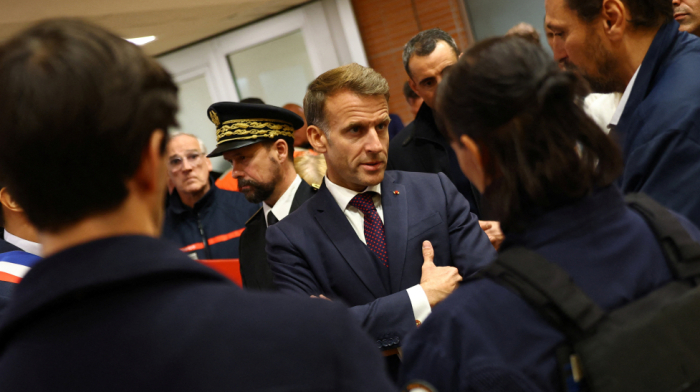
U.S. Secretary of State Marco Rubio has held talks with Lebanese President and Israeli Prime Minister on efforts to ease tensions between Israel and Lebanon. According to a U.S. official, Washington has proposed a plan aimed at achieving a gradual de-escalation of hostilities.
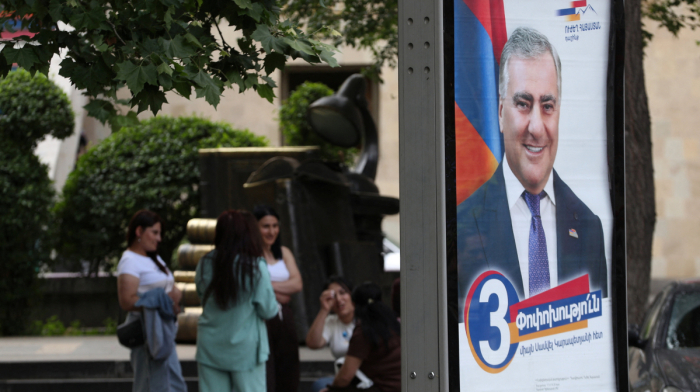
Unsealed records from the U.S. Department of Justice have renewed scrutiny of lawyer Robert Amsterdam after documents revealed communications between his law firm and Jeffrey Epstein's office. The disclosures have drawn attention because of Amsterdam's prominent role in Armenia.
The United States has moved to close a regulatory gap that may have allowed advanced AI chips to reach Chinese-linked firms overseas despite export restrictions.
Competing narratives continue to shape perceptions of the war in Ukraine, with Russian leadership suggesting a possible end phase while Ukrainian officials warn of renewed large-scale attacks and ongoing escalation risks.
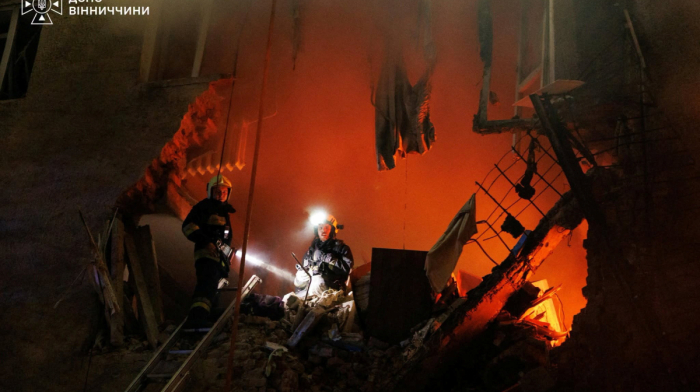
Russian drones and missiles pounded the Ukrainian capital Kyiv and other cities early on Tuesday, killing at least 11 people and wounding more than 100, authorities said, following days of warnings about Moscow's plans for a major assault.
Start your day informed with the AnewZ Morning Brief. Here are the top stories for the 2 June, covering the latest developments you need to know.
U.S. President Donald Trump said on Monday (1 June) that he held productive discussions with Israeli Prime Minister Benjamin Netanyahu and, through intermediaries, with the Iran-backed Hezbollah movement. He expressed optimism that a fragile ceasefire in Lebanon could hold despite hostilities.
Chile's far-right President José Antonio Kast, who took office in March, promised a legislative agenda that prioritises fighting crime, cutting spending and boosting economic growth in his first national address on Monday.
You can download the AnewZ application from Play Store and the App Store.
What is your opinion on this topic?
Leave the first comment