Zelenskyy rejects FT’s May 2026 election report, cites need for ceasefire
Ukrainian President Volodymyr Zelenskyy said on Wednesday (11 February) that his government will only hold national elections once a ceasefire with Ru...
Meta has announced it will halt political, electoral, and social issue ads in the European Union from October due to the region's new Transparency and Targeting of Political Advertising regulation (TTPA).
The regulation, aimed at increasing oversight and preventing manipulation in political advertising, was enacted in April 2024, with major provisions coming into effect on 10 October.
“The TTPA introduces significant, additional obligations to our processes and systems that create an untenable level of complexity and legal uncertainty for advertisers and platforms operating in the EU,” Meta said.
Although Meta has maintained political ad transparency tools since 2018, it says the EU’s new rules go far beyond what is feasible, especially in terms of ad targeting and compliance systems.
The company warned that the regulation could reduce the relevance of ads for users and restrict personalized advertising options. It also expressed concern about reduced market competition and user choice.
Google previously made a similar move, pausing political ads in anticipation of the regulation. Meta emphasized that while political advertising will be restricted, users can still engage in organic political discussions.
Earlier this month, Meta also opted out of the EU’s Artificial Intelligence (AI) code of practice, which supports upcoming AI legislation due to take effect in August.
The United States and Azerbaijan signed a strategic partnership in Baku on Tuesday (10 February) encompassing economic and security cooperation as Washington seeks to expand its influence in a region where Russia was once the main power broker.
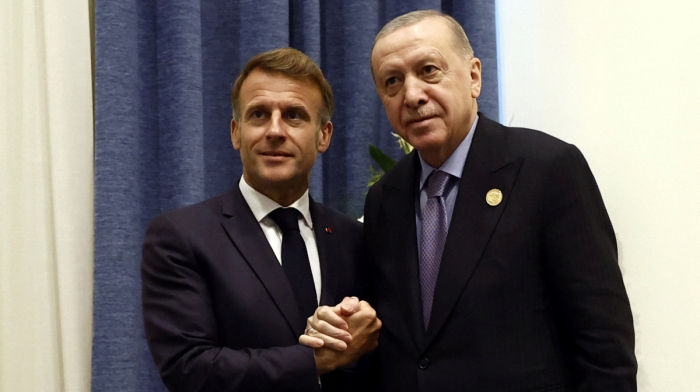
Greek Prime Minister Kyriakos Mitsotakis arrived in Ankara on Wednesday, where Turkish President Recep Tayyip Erdoğan held an official welcoming ceremony at the Presidential Palace, marking the start of high-level talks between the two NATO allies.
Europe heads into the Munich Security Conference, 13 February, amid deepening unease over U.S. policy, as President Donald Trump’s hard-line stance on defence, trade and territory fuels doubts about Washington’s long-term commitment to transatlantic security.
The European Union is preparing a further expansion of its sanctions against Russia, with Central Asia emerging for the first time as a distinct point of focus.
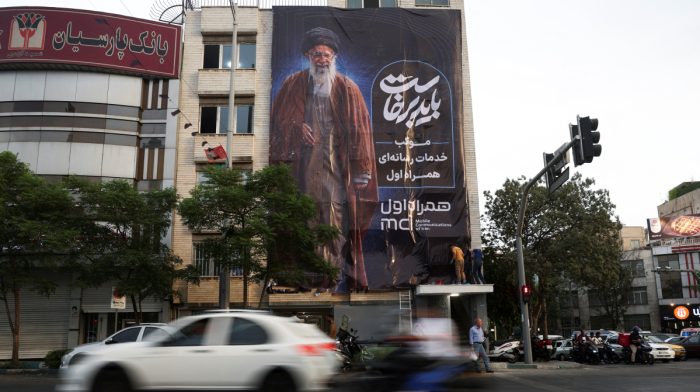
A senior adviser to Iran’s Supreme Leader said on Tuesday that negotiations with the United States must remain focused on the nuclear issue and be grounded in realism, as Washington and Tehran prepare to resume talks mediated by Oman.
BMW is recalling a mid six figure number of vehicles worldwide after identifying a potential fire risk linked to the starter motor.
British chipmaker Fractile will invest £100 million over the next three years to expand its artificial intelligence hardware operations in the UK, opening a new engineering facility in Bristol as it ramps up production of next-generation AI systems.
The European Union has launched its largest semiconductor pilot line under the European Chips Act, investing €700 million ($832 million) in the new NanoIC facility at IMEC in Leuven, Belgium, as part of efforts to strengthen Europe’s technological sovereignty.
Alphabet is emerging as a frontrunner in the global artificial intelligence race, as analysts and executives say Google has overtaken OpenAI, marking a sharp reversal from a year ago when the company was widely seen as lagging.
China’s internet user base has climbed to about 1.125 billion people, highlighting the country’s vast digital reach and creating fertile ground for the rapid spread of generative artificial intelligence across daily life, work and business.
You can download the AnewZ application from Play Store and the App Store.
What is your opinion on this topic?
Leave the first comment