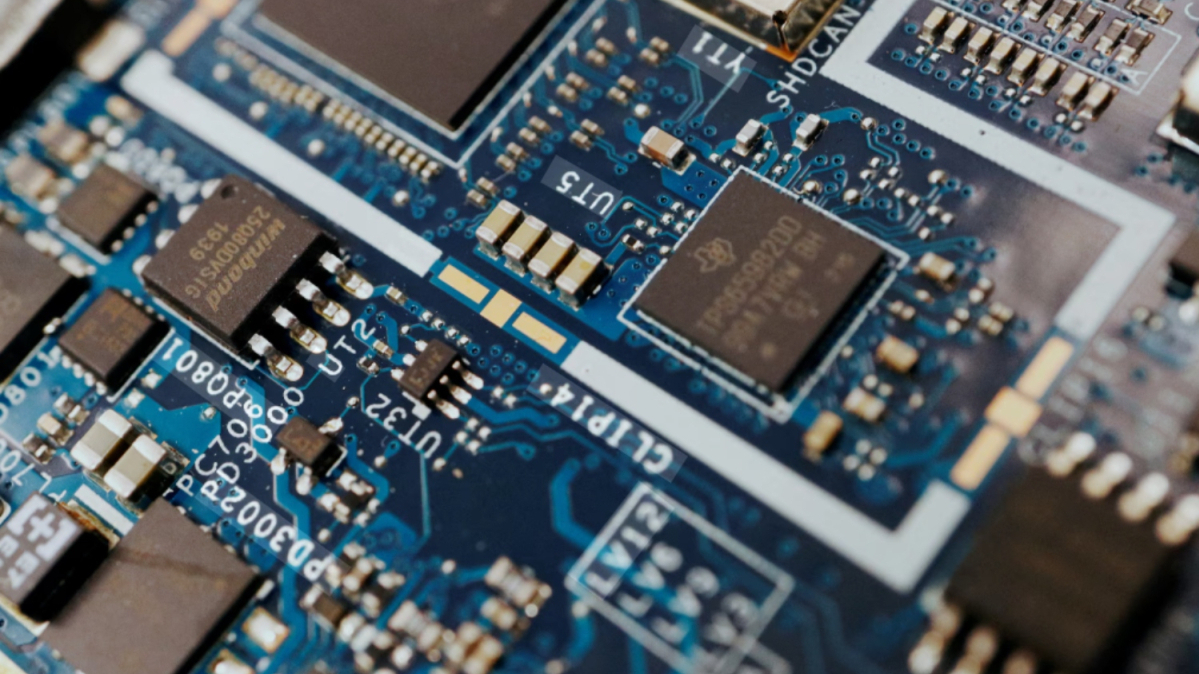
A bipartisan group of U.S. senators, including prominent Republican China hawk Tom Cotton, introduced the SAFE CHIPS Act on Thursday, aiming to prevent the Trump administration from easing restrictions on China’s access to advanced artificial intelligence (AI) chips for a period of 2.5 years.
The bill, introduced by Republican Senator Pete Ricketts and Democratic Senator Chris Coons, would require the U.S. Department of Commerce, which oversees export controls, to deny any license requests from buyers in China, Russia, Iran, or North Korea for U.S. AI chips that are more advanced than those they are currently permitted to purchase.
Under the proposed legislation, the Commerce Department would also be required to brief Congress on any proposed changes to these rules at least one month before they take effect.
In a statement, Senator Ricketts emphasised the national security implications of the bill, saying, "Denying Beijing access to (the best American) AI chips is essential to our national security."
The legislation is co-sponsored by Republican Senator Dave McCormick and Democratic Senators Jeanne Shaheen and Andy Kim, marking a rare instance of Trump’s own party working to block him from loosening export restrictions on China.
The introduction of the SAFE CHIPS Act follows a series of contentious moves by the Trump administration concerning tech exports to China. In particular, Trump’s Commerce Department imposed and then rolled back restrictions on Nvidia’s H200 AI chips, a move that sparked criticism, especially from Republican Representative John Moolenaar, who chairs the House China Select Committee. Trump’s administration also delayed implementing rules restricting U.S. tech exports to Chinese companies already blacklisted by the U.S. government.
The debate over AI chip exports comes amid growing concerns over China’s dominance in critical tech sectors, particularly after new Chinese export curbs on rare earth metals, which are vital to global tech production. There are fears in Washington that China could use advanced U.S. AI chips to enhance its military capabilities, including AI-powered weapons systems and sophisticated intelligence and surveillance technologies.
As the Trump administration considers greenlighting the sale of Nvidia’s H200 AI chips to China, concerns continue to rise over the strategic implications. China hawks in Washington have warned that easing these restrictions could significantly boost China’s technological edge, allowing it to gain access to cutting-edge military capabilities and potentially escalating tensions between the U.S. and China.
























What is your opinion on this topic?
Leave the first comment