Kazakhstan exports 310,000 tonnes of oil to Germany in January, ships 106,000 tonnes via BTC
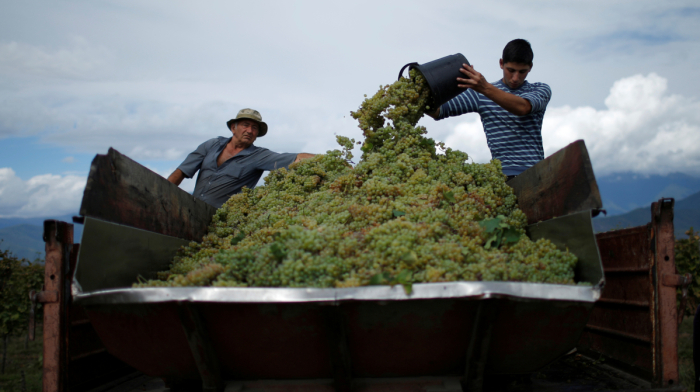
Kazakhstan sharply increased oil shipments to Europe in January, exporting 310,000 tonnes to Germany and sending a further 106,000 tonnes via the Baku...
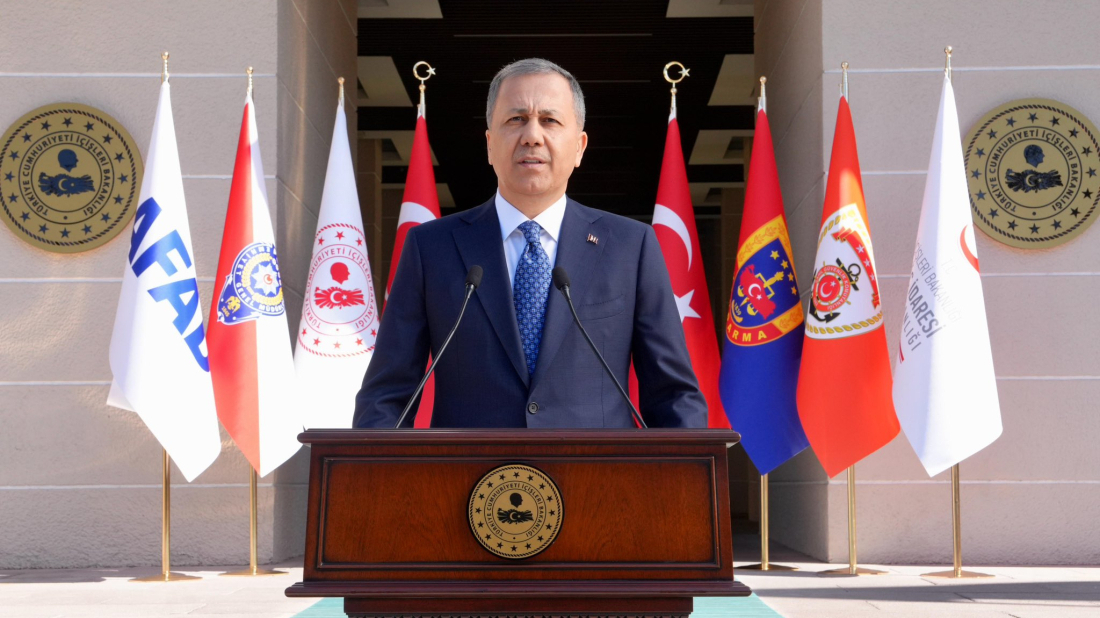
Turkish Interior Minister Ali Yerlikaya has announced on Tuesday that 234 senior members of transnational crime networks were detained in an operation covering five countries. The operation is being hailed as one of the most significant anti-organized crime crackdowns in recent years.
“This morning, we have conducted a major operation targeting high-level members of organized crime groups involved in national and international drug trafficking, as well as money laundering,” said Turkish Interior Minister Ali Yerlikaya.
Of the suspects detained, 225 were arrested in Türkiye, while 9 were apprehended abroad. Ten of the individuals were wanted under the Interpol Red Notices.
He added that the operation, codenamed ORKİNOS-BULUT, was carried out simultaneously with police departments in the Netherlands, Germany, Spain, and Belgium, under the coordination of Turkey’s General Directorate of Security.
In addition, as part of the operation, information and documents were shared with law enforcement authorities in France, the United Kingdom, Australia, the United States, Greece, Serbia, Azerbaijan, Kosovo, Bulgaria, North Macedonia, Brazil, and Iran.
Apart from drug trafficking and money laundering, authorities identified a range of serious offenses committed by these criminal organizations, including deliberate murder, firearm assaults, kidnapping, unlawful deprivation of liberty and torture, intimidation through shootings targeting businesses and vehicles, and blackmail.
According to Minister Yerlikaya, the criminal syndicates were involved in large-scale drug smuggling operations, trafficking into Türkiye and across broader Europe:
- Cocaine from South America,
- Heroin from Iran and Afghanistan,
- Skunk cannabis via the Balkans, and
“We have seized the assets of these international crime organizations, identified so far by Türkiye’s Financial Crimes Investigation Board (MASAK),” Yerlikaya said.
“This include 681 real estate properties, 127 vehicles, partnership shares in 113 companies, and multiple bank accounts belonging to the suspects—altogether valued at approximately 13 billion Turkish Liras.”

Heavy snow continued to batter northern and western Japan on Saturday (31 January) leaving cities buried under record levels of snowfall and prompting warnings from authorities. Aomori city in northern Japan recorded 167 centimetres of snow by Friday - the highest January total since 1945.
The United States accused Cuba of interfering with the work of its top diplomat in Havana on Sunday (1 February) after small groups of Cubans jeered at him during meetings with residents and church representatives.
A daylight robbery at a jewellery shop in Richmond, one of London’s most affluent and traditionally quiet districts, has heightened security concerns among residents and local businesses.
Talks with the U.S. should be pursued to secure national interests as long as "threats and unreasonable expectations" are avoided, President Masoud Pezeshkian posted on X on Tuesday (3 February).
Early voting for Thailand’s parliamentary elections began on Sunday (1 February), with more than two million eligible voters casting ballots nationwide ahead of the 8 February general election, as authorities acknowledged errors and irregularities at some polling stations.
Kazakhstan sharply increased oil shipments to Europe in January, exporting 310,000 tonnes to Germany and sending a further 106,000 tonnes via the Baku–Tbilisi–Ceyhan (BTC) pipeline.
Kazakhstan has approved plans for a second nuclear power plant. Prime Minister Olzhas Bektenov has signed a government decree authorising the project in the Zhambyl district of Almaty Region.
Armed boats tried to intercept a vessel north of Oman on Tuesday in waters near the Strait of Hormuz, where heightened military activity and U.S.–Iran tensions are fuelling maritime security concerns.
Turkish President Recep Tayyip Erdoğan has begun a two-day visit to Saudi Arabia and Egypt, seeking to deepen political and economic cooperation as regional tensions over Gaza, Iran and wider Middle East stability dominate the agenda.
Talks with the U.S. should be pursued to secure national interests as long as "threats and unreasonable expectations" are avoided, President Masoud Pezeshkian posted on X on Tuesday (3 February).
You can download the AnewZ application from Play Store and the App Store.
What is your opinion on this topic?
Leave the first comment