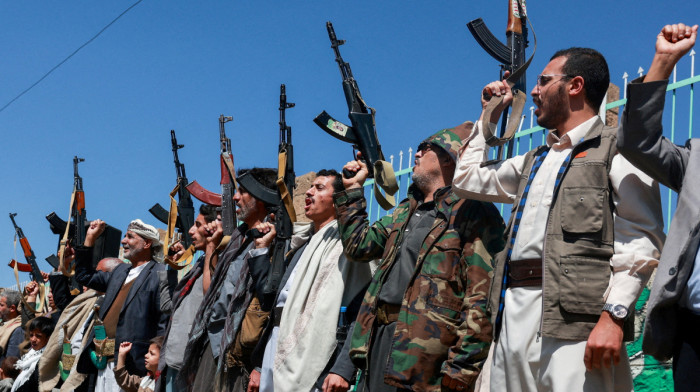
Yemen’s War Explained: How a local power struggle became a regional battle
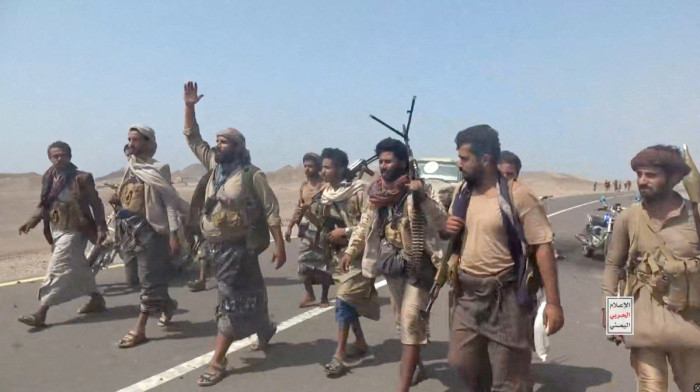
Yemen has plunged back into full-scale war after nearly four years of uneasy calm. Since fighting resumed in July 2026, Houthi forces have seized k...
Baku ID 2026 has concluded in the Azerbaijani capital after two days that brought together technology leaders, entrepreneurs, investors and policymakers to explore the future of innovation and start-up development.
The second and final day focused on how emerging technologies can create new opportunities across sectors, with artificial intelligence, energy technology, education and digital transformation among the main themes.
Experts examined the impact of AI on emerging markets and its potential to transform businesses, while discussions on EnergyTech explored how Azerbaijan’s energy potential could be connected with a wider innovation ecosystem.
Education was another focus, with participants addressing technology-driven learning models and the skills needed for a changing labour market. Speakers included Vusal Khanlarov, Head of the Bureau on ICT for Education at Azerbaijan’s Ministry of Science and Education, and Khamis Abdalla Said, Principal Secretary at Zanzibar’s Ministry of Education and Vocational Training.
The summit also highlighted the challenges facing regional start-ups seeking to expand internationally. Founders shared their experiences of developing businesses for global markets, while discussions explored access to investors, commercialisation and new business models.
The event concluded with the NEXUS Awards ceremony, recognising initiatives and achievements in innovation and entrepreneurship.
Baku ID 2026 ultimately sought to strengthen links between Azerbaijan and the wider global technology ecosystem, while providing a platform for regional ideas and start-ups to move beyond local markets.
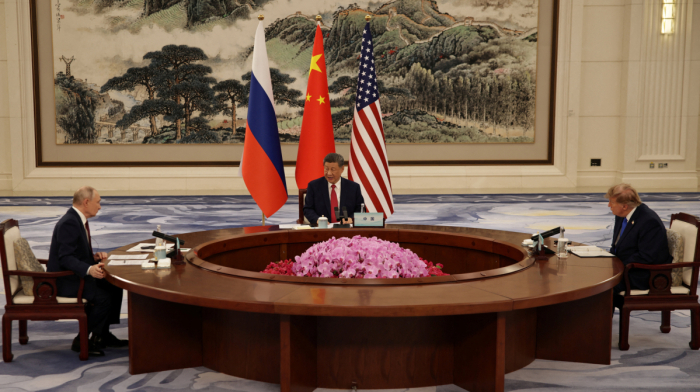
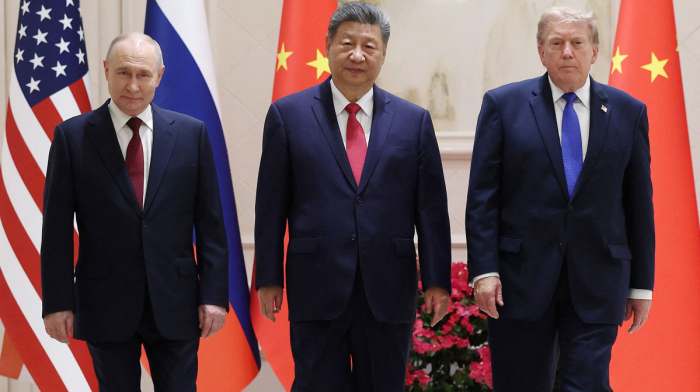
U.S. President Donald Trump, Russian President Vladimir Putin and Chinese President Xi Jinping are holding trilateral talks at the APEC summit in Shenzhen, China, with Ukraine, nuclear arms control and global security on the agenda.
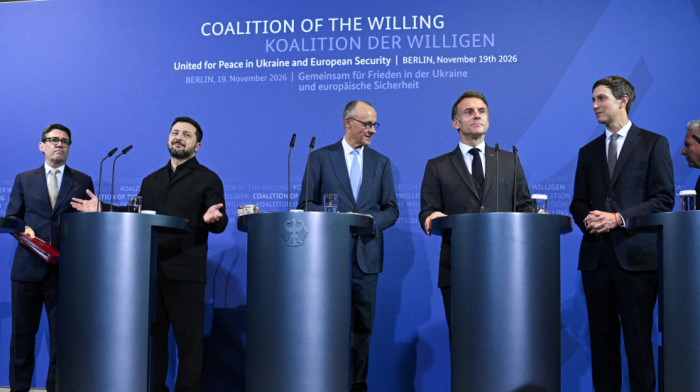
European leaders backing Ukraine met in Berlin on Thursday 19 November and warned that no peace deal should be settled without them.
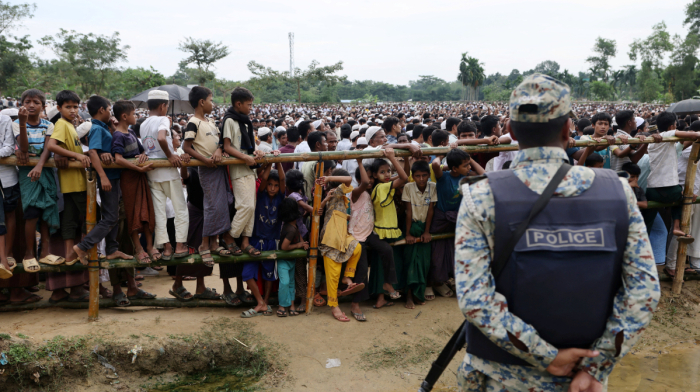
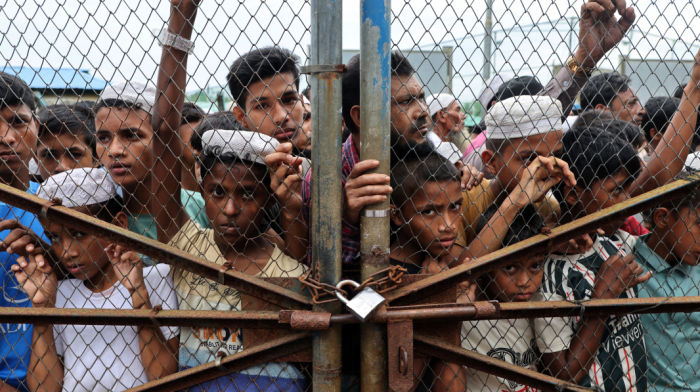
Myanmar's security forces committed genocide against Rohingya Muslims during a brutal military crackdown in 2017 that killed thousands and involved widespread sexual violence, the United Nations' top court ruled on 19 November.
U.S. President Donald Trump, China's Xi Jinping and Russia's Vladimir Putin have issued a joint “declaration of peace” following historic talks in southern China, but stopped short of committing to nuclear arms reductions or addressing the war in Ukraine in their joint statement.
Saudi Arabia is preparing for up to six more months of fighting against Yemen’s Houthis, potentially extending the conflict into spring 2027, Reuters reported, as the kingdom struggles to secure gains on the ground.
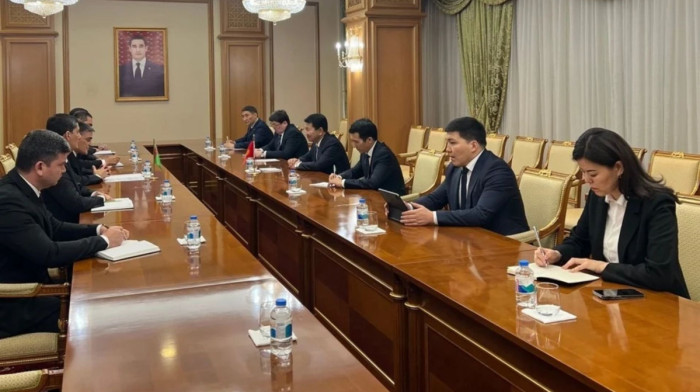
Kyrgyzstan and Turkmenistan have discussed developing a multimodal transport corridor connecting China, Central Asia, the Caspian region and Europe.
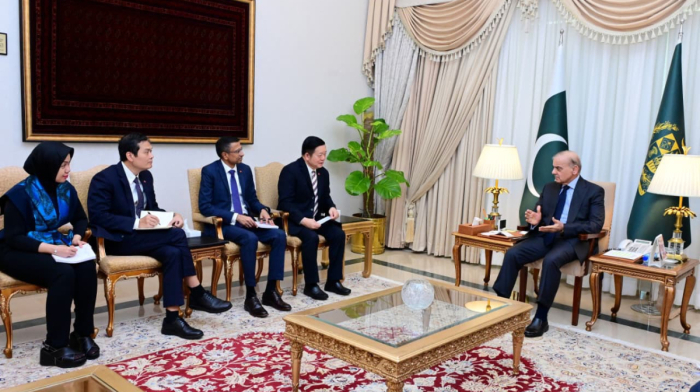
Pakistan and the Association of Southeast Asian Nations (ASEAN) have agreed to deepen trade, investment and security cooperation following high-level talks in Islamabad.
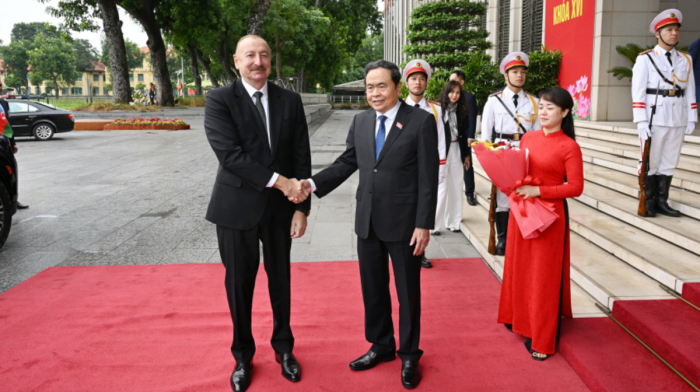
Azerbaijani President Ilham Aliyev met Vietnamese Prime Minister Le Minh Hung in Hanoi on 20 November, during a visit highlighting the longstanding friendship and growing strategic partnership between the two countries.
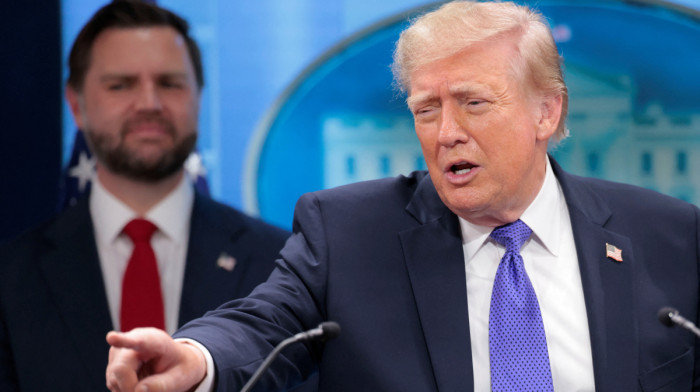
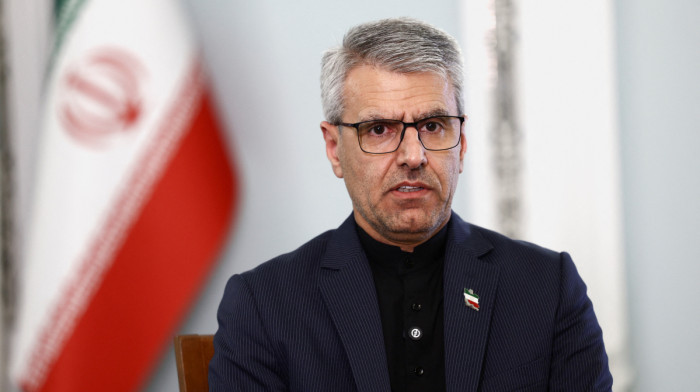
Iran has accused the U.S. of recycling discredited claims about weapons of mass destruction (WMDs) to justify military action, after American President Donald Trump suggested Tehran could be pursuing chemical or biological weapons.
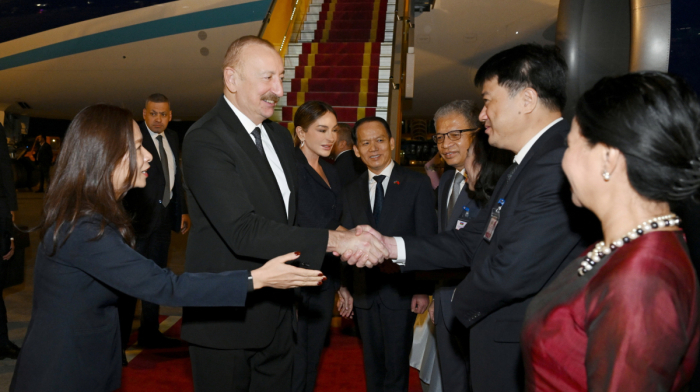
On 19 November, President of the Republic of Azerbaijan Ilham Aliyev arrived in the Socialist Republic of Vietnam on an official visit.
You can download the AnewZ application from Play Store and the App Store.
What is your opinion on this topic?
Leave the first comment