Russia's Lukoil plans to expand its operations in Uzbekistan
Russian oil company Lukoil plans to expand its activities in Uzbekistan, with potential areas including geological exploration, hydroca...
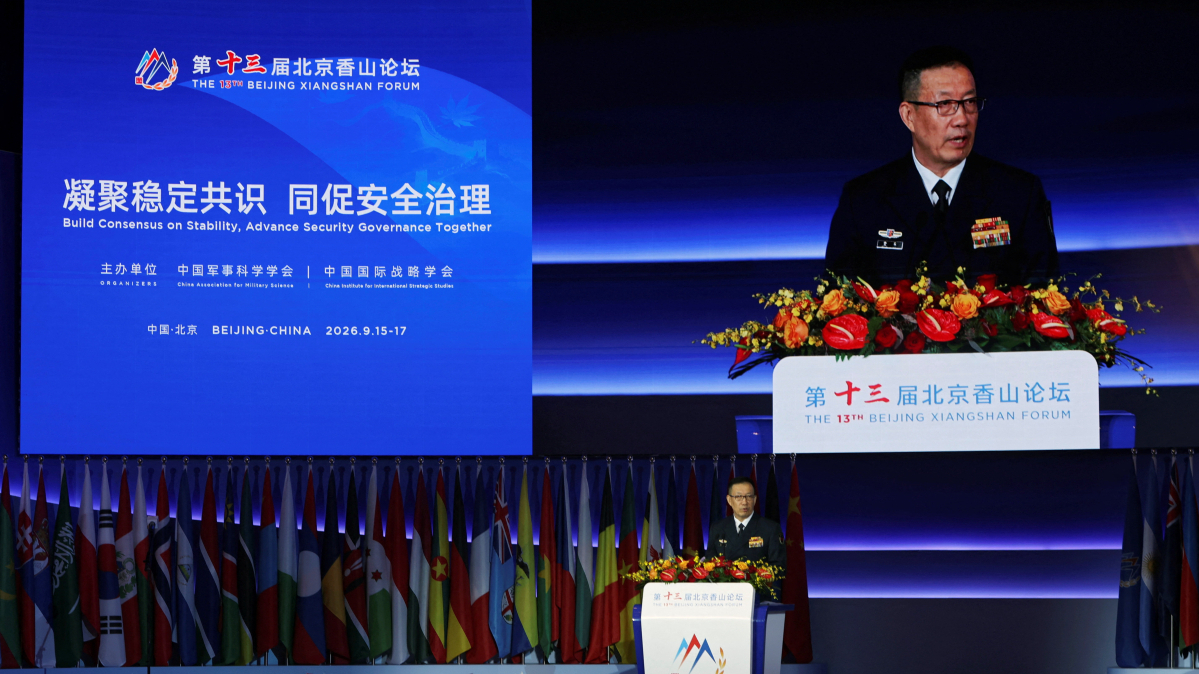
Governments need to move faster to manage the security risks posed by artificial intelligence (AI), defence officials and experts warned at a major security conference in Beijing.
The concerns were voiced as China and the United States, the world's two leading AI powers, prepare for summit talks later this month.
The two countries remain divided over how AI should be used in military systems, including those linked to nuclear weapons.
More than 2,000 military officials, diplomats and academics from around 100 countries attended the three-day Beijing Xiangshan Forum, which ended on Thursday.
Speakers warned that AI is speeding up military decision-making at a time when false information can spread just as quickly.
Pakistan's Defence Secretary Muhammad Ali said technological advances were “compressing the strategic timeline”, while warning that AI could accelerate decisions as misinformation damages public trust.
International Committee of the Red Cross vice-president Jurg Lauber said the growing autonomy of weapons made human oversight increasingly important.
“As weapon systems become increasingly autonomous, the need to preserve human judgment and control over the use of force becomes more pressing,” he said.
The debate comes as China and the U.S. compete for leadership in AI and seek to shape how the technology is developed and used.
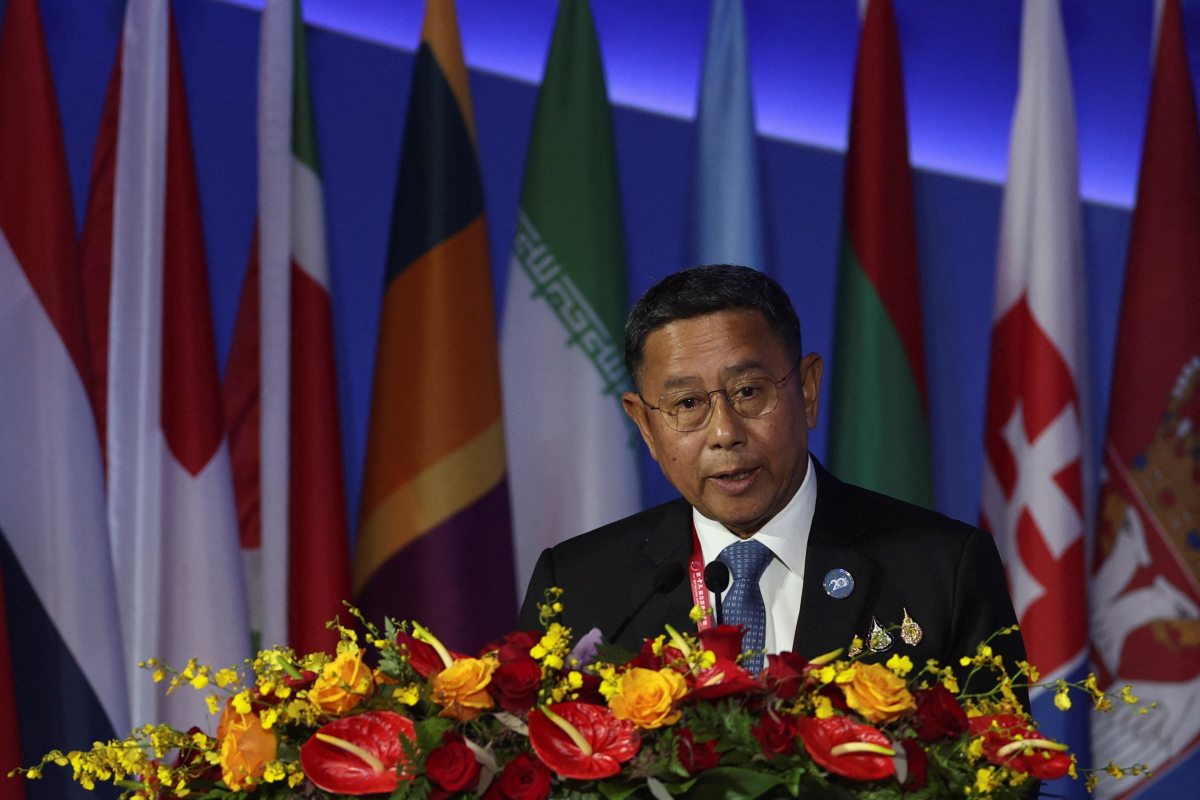
Thailand's Defence Minister Adul Boonthumjaroen said the challenge was no longer simply about which country would become the most powerful.
“The most pressing is not who will be the most powerful, but rather, how can we build an international order,” he said.
Both Beijing and Washington have acknowledged the potential dangers of military AI, but they have yet to agree on common safeguards.
The forum highlighted a growing concern among countries beyond the major powers: without clear rules and meaningful human control, increasingly autonomous technology could make conflicts faster, harder to manage and more dangerous.
Russia's health watchdog said on Tuesday that no cases of plague had been detected among anyone who had come into contact with a Siberian plague institute laboratory worker who died last week, and locals said their lives had barely been disrupted.
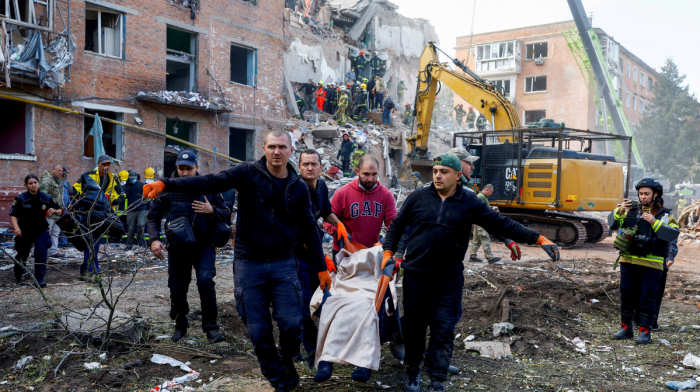
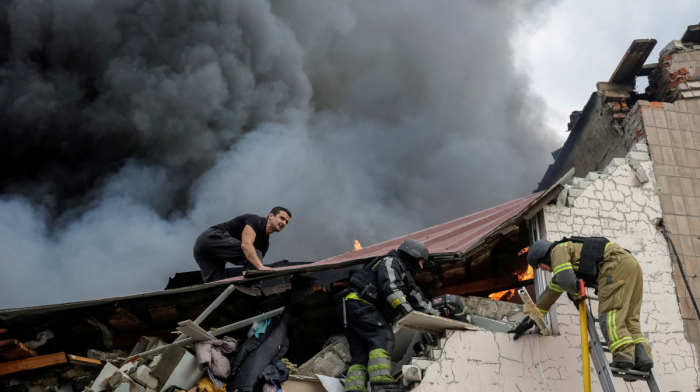
Russia struck Ukraine overnight in one of the biggest attacks of the conflict, killing at least 19 people, Kyiv's Foreign Ministry said on Wednesday. Around 70 missiles were fired at Ukraine during the attack, as well as drones, the Ministry said.
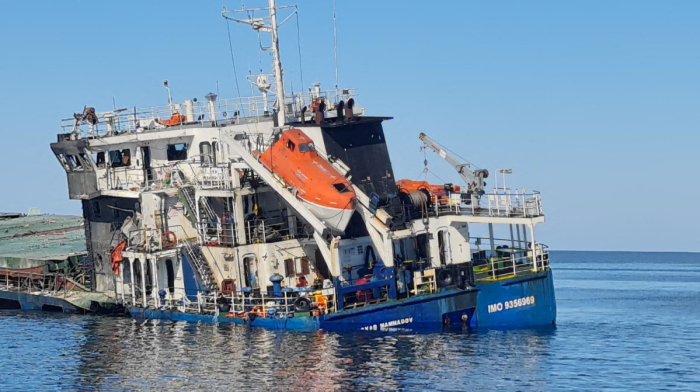
An Azerbaijani citizen died and another is missing after a cargo ship was attacked by a drone in the Black Sea, near the coast of Romania on Monday, 5 October, Baku's Foreign Ministry has said.
A large Ukrainian drone attack on Moscow and the surrounding region has killed two people, damaged homes and sparked a major fire at a key fuel facility, according to Russian officials and military bloggers.
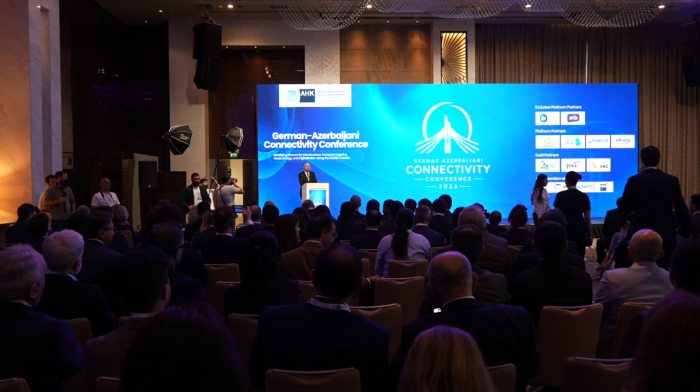
The German-Azerbaijani Connectivity Conference 2026 commenced on 6 October in Baku under the title “Mobilising Finance for Infrastructure, Transport, Logistics, Green Energy, and Digitalisation along the Middle Corridor.”
Picture three scenarios: a hospital that can spot a disease before the patient feels sick, a power grid that feeds thousands of data centres and a government network that is attacked daily. All three depend on artificial intelligence, and one question matters most: who is really in charge?
OpenAI and Anthropic told Australian parliament on Tuesday they would welcome laws requiring them to report data breaches carried out by their AI agents, acknowledging the decision to notify authorities was currently at their discretion.
Most people meet artificial intelligence (AI) through a phone. It suggests the next word, sorts the photos, flags the odd charge on a bank card. But the technology has been quietly moving into places where mistakes cost more: the systems that run banks, hospitals, businesses and government offices.
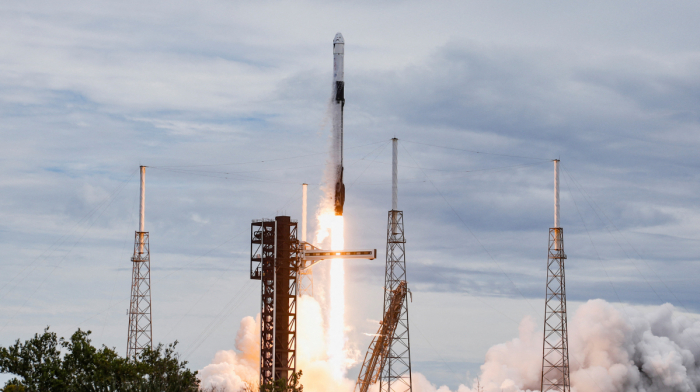
A four-person crew aboard SpaceX's Crew-13 mission, consisting of two U.S. astronauts, a Canadian astronaut and a Russian cosmonaut, arrived at the International Space Station (ISS) on Thursday (1 October), for a long-duration science mission focused on human health and performance in orbit.
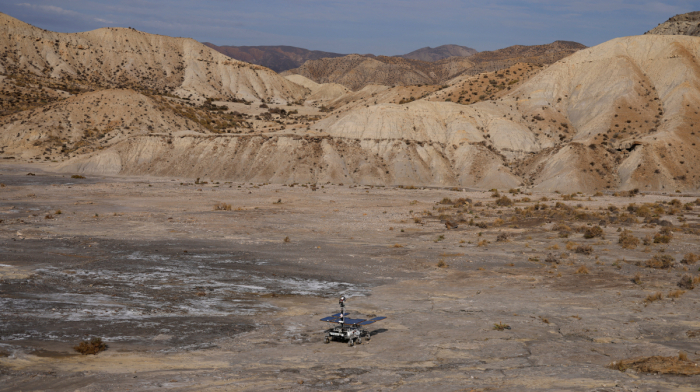
The European Space Agency (ESA), Airbus and European partners have put a six-wheeled Mars rover prototype through its paces in Spain’s Tabernas desert, simulating conditions expected on a future mission to the Red Planet.
You can download the AnewZ application from Play Store and the App Store.
What is your opinion on this topic?
Leave the first comment