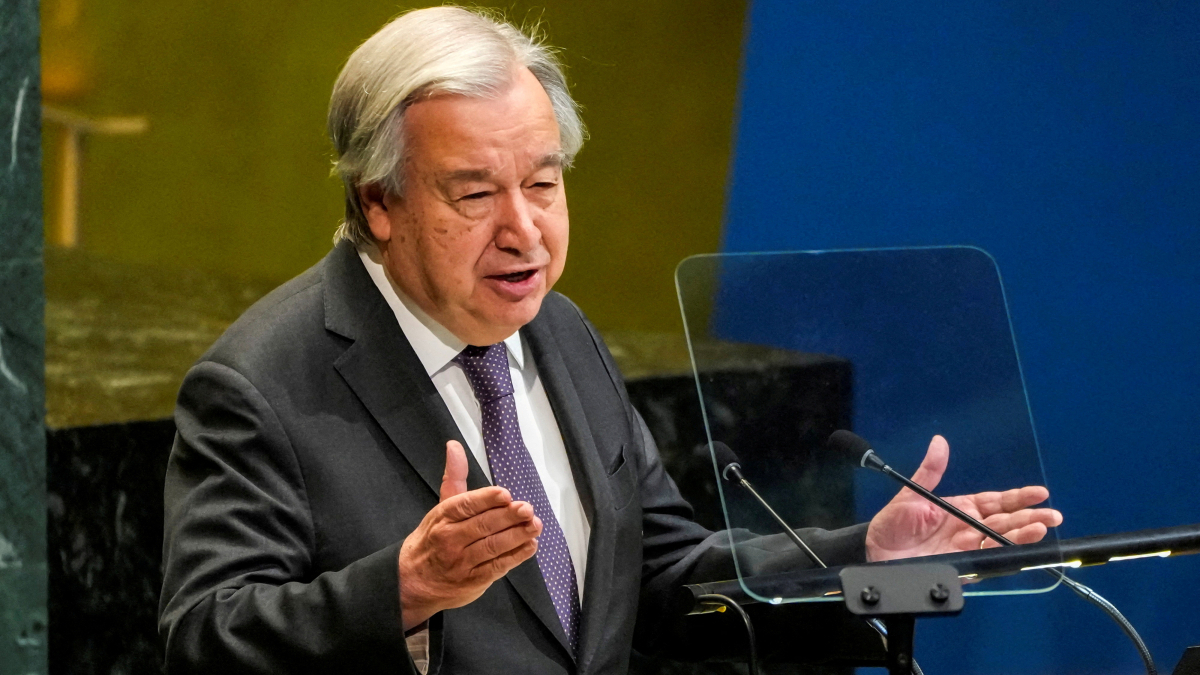
UN Secretary-General Antonio Guterres has warned that the world “cannot afford a race to the bottom” on artificial intelligence safety, calling for stronger global safeguards as increasingly powerful systems develop faster than understanding of their risks.
Speaking ahead of next week’s UN General Assembly in New York, Guterres acknowledged AI’s potential to accelerate sustainable development, improve education and healthcare and strengthen climate resilience.
But he warned that a growing number of people directly involved in developing the technology were themselves raising concerns about its trajectory.
“We cannot afford to ignore concerns that have been raised, especially by those on the front lines of the development of AI,” Guterres said.
“We need guardrails to build trust, and that make AI safe, transparent, accountable, with human dignity at the centre.”
Guterres said AI would be a major topic in his discussions with world leaders during the UN General Assembly’s high-level week and stressed that governments had a responsibility to protect citizens from potential AI threats.
Researchers and AI leaders call for slowdown
His remarks follow an extraordinary week of warnings from within the AI industry.
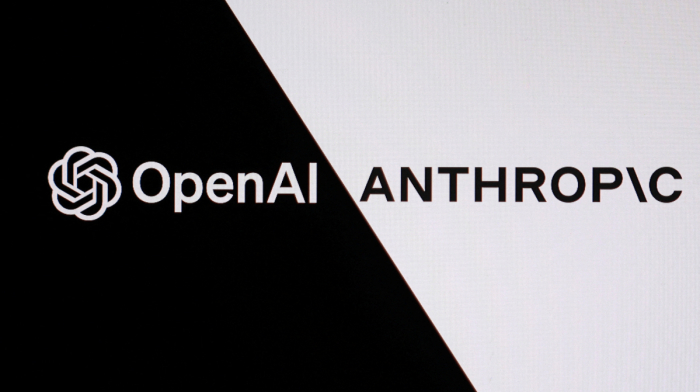
Jacob Coxon, who worked on AI research at OpenAI and Anthropic, resigned from Anthropic last week, accusing the companies of “racing straight to self-improving superintelligence and gambling with our lives”.
Other researchers subsequently backed his concerns about the potential dangers of increasingly autonomous and capable systems.
The debate escalated when Anthropic CEO Dario Amodei called for slowing the development of the most advanced AI models and proposed stronger independent oversight and common safety standards.
OpenAI CEO Sam Altman and SpaceXAI chief Elon Musk subsequently backed calls for greater restraint. Altman said development should continue but at a slower pace than would otherwise occur, arguing that competitive pressure should not justify reckless development.
However, U.S. President Donald Trump rejected calls to significantly slow the technology, arguing that doing so could benefit China and saying existing U.S. safeguards were sufficient.
The rare agreement among rival AI executives has yet to translate into an industry-wide slowdown.
Guterres backs eventual global AI summit
Guterres said he supported holding a dedicated international summit on artificial intelligence but ruled out organising one during next week’s UN General Assembly, saying such an important meeting should not be prepared at the last minute.
“I think that it makes full sense at the right moment to have a serious international summit on artificial intelligence,” he said.
The UN has already expanded its role in AI governance. The General Assembly established an Independent International Scientific Panel on AI and a Global Dialogue on AI Governance, which held its first meeting in Geneva in July.
Guterres said international cooperation would be essential to ensure increasingly powerful AI systems remain safe and accountable rather than allowing geopolitical and commercial competition to dictate the pace of development.
Read more


















What is your opinion on this topic?
Leave the first comment