Europe's growing dependence on Azerbaijan for energy and transport is reshaping relations with Baku, even as political tensions with parts of the European Union remain unresolved.
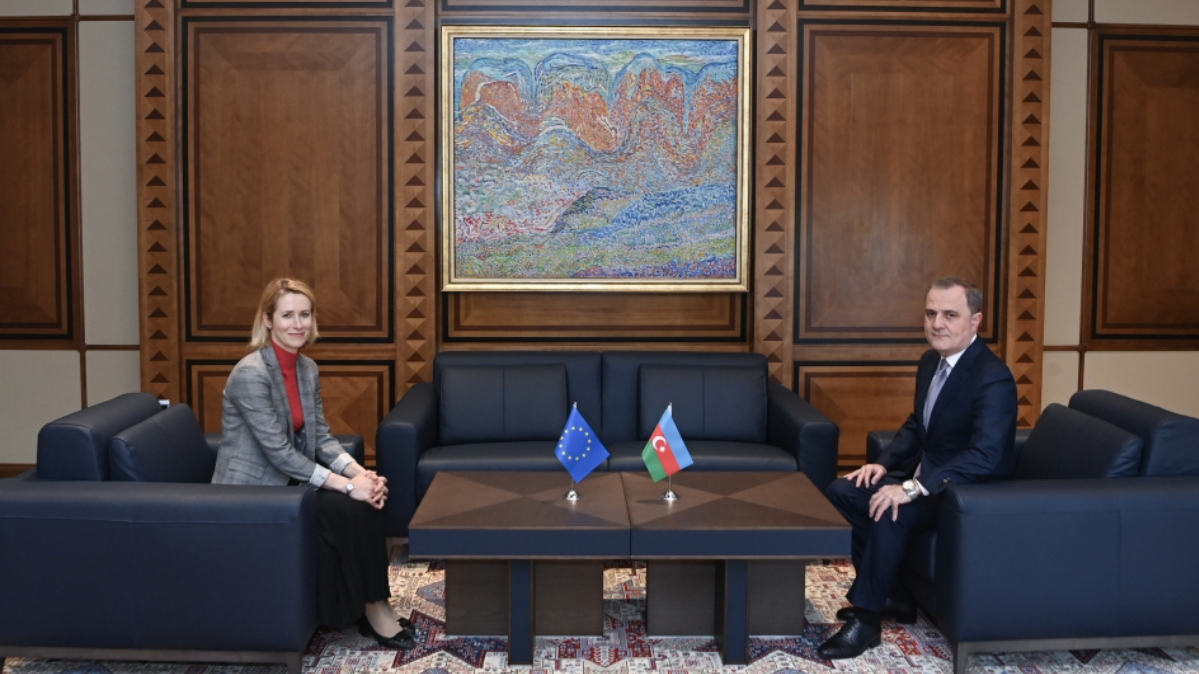
That contradiction is expected to be in focus on 1 July when European Commission President Ursula von der Leyen visits Baku. While some European institutions continue to criticise Azerbaijan over political issues, Brussels increasingly sees the country as a strategic partner for energy security and connectivity.
It will be von der Leyen's first visit to Azerbaijan since 2022, when she signed a strategic energy partnership aimed at increasing Azerbaijani gas supplies to Europe following Russia's invasion of Ukraine.
Energy drives the relationship
Energy has become the foundation of the EU's relationship with Azerbaijan.
As Europe has sought to reduce its dependence on Russian energy, Azerbaijan has emerged as one of the bloc's key alternative suppliers through the Southern Gas Corridor. Azerbaijani gas now reaches a growing number of EU member states, reinforcing the country's importance to Europe's energy security.
Romania's Foreign Minister, Oana-Silvia Țoiu, recently described Azerbaijan as playing an "essential role" in Europe's energy infrastructure and connectivity. Speaking ahead of an EU foreign ministers' meeting, she said the South Caucasus had become increasingly important as Europe looked for dependable partners.
Analysts say continued instability in global energy markets, including tensions in the Middle East, has only increased Europe's need for reliable and diversified sources of supply.
Strategic partnership, political disagreements
Growing cooperation has not eliminated political friction.
The European Parliament has repeatedly criticised Azerbaijan over human rights, democracy and developments following the conflict with Armenia. Azerbaijan has rejected those criticisms, arguing that some European institutions have adopted a one-sided approach while failing to recognise the country's contribution to European energy security and regional stability.
Relations also remain strained with the Parliamentary Assembly of the Council of Europe (PACE) after the Azerbaijani delegation's credentials were not ratified in 2024. Azerbaijan subsequently suspended its participation in the assembly.
More recently, Belgium and the Netherlands adopted parliamentary resolutions calling for the release of Armenians held in Azerbaijan and expressing concern about Armenians who left Garabagh after Azerbaijan restored full control over the region. Baku dismissed the resolutions as biased and summoned both countries' ambassadors.
Despite those disputes, cooperation has continued between Azerbaijan and the European Commission, particularly in energy, transport and regional connectivity.
Beyond gas
While natural gas remains the centrepiece of the relationship, both sides are also exploring cooperation on renewable energy.
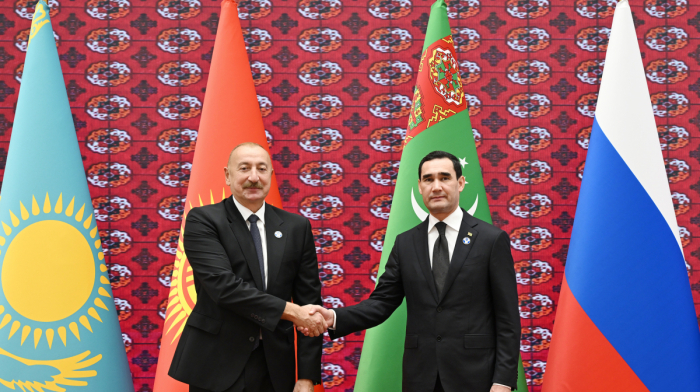
Azerbaijan, Kazakhstan and Uzbekistan have agreed to develop a green electricity corridor linking Central Asia with Europe. The initiative remains at an early stage but reflects broader efforts to diversify future energy cooperation beyond fossil fuels.
The European Bank for Reconstruction and Development is expected to support the project through investment and technical expertise if it progresses.
Building the Middle Corridor
Transport has become another strategic priority.
The EU sees the Middle Corridor, also known as the Trans-Caspian International Transport Route, as an increasingly important alternative to traditional trade routes between Europe and Asia. Running through Central Asia, the South Caucasus and Türkiye, the corridor places Azerbaijan at the centre of plans to strengthen east-west connectivity.
Brussels recently launched a Connectivity Agenda Platform to coordinate investment in transport, energy and digital infrastructure along the route.
The European Commission aims to reduce cargo transit times between China and Europe from around 45 days to about 15 by improving rail links, customs procedures and border infrastructure.
Although Azerbaijan and Georgia were not represented at ministerial level during the platform's launch, both countries remain essential to the corridor's long-term development.
A broader regional role
European officials increasingly view the South Caucasus as a region of growing strategic importance rather than focusing solely on individual countries.
Alongside closer cooperation with Azerbaijan, the EU continues to engage with Armenia and Georgia while supporting efforts by Baku and Yerevan to reach a lasting peace agreement.
Speaking to AnewZ, political analyst Fuad Karimli says the EU increasingly sees Azerbaijan as a reliable long-term partner not only for energy exports but also for regional connectivity.
He argues that expanding economic cooperation could encourage greater stability across the South Caucasus while attracting additional investment.
Why the visit matters
Von der Leyen's visit highlights a changing reality in EU-Azerbaijan relations.
As Europe seeks greater energy security and stronger links with Central Asia, Azerbaijan has become increasingly difficult to overlook as a strategic partner.
Political disagreements remain, and they are unlikely to disappear. Yet both sides continue to expand cooperation in areas where their interests align, suggesting that strategic necessity is becoming a more powerful force than political differences.
Read more:












What is your opinion on this topic?
Leave the first comment