Azerbaijani and Armenian civil society representatives have convened for a new round of dialogue under the ‘Peace Bridge’ initiative, as both sides seek to sustain engagement ahead of key political developments in the region.
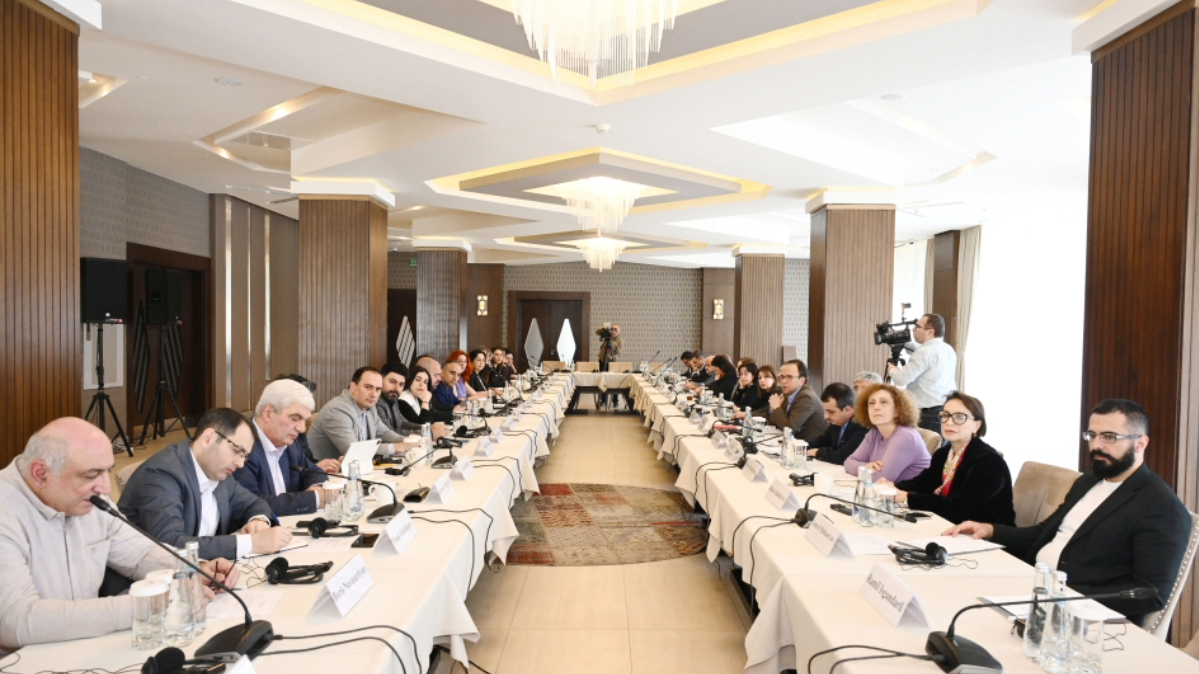
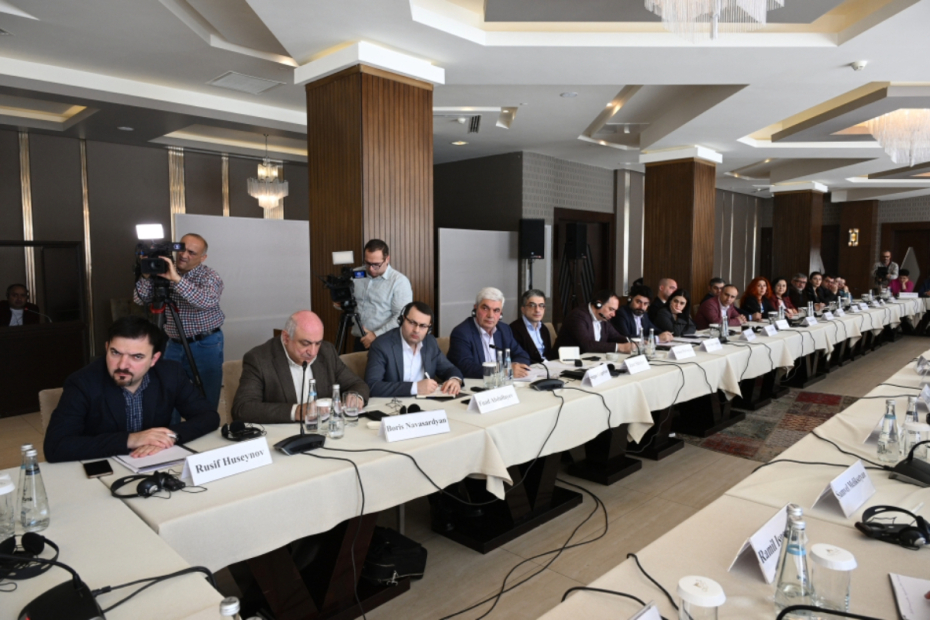
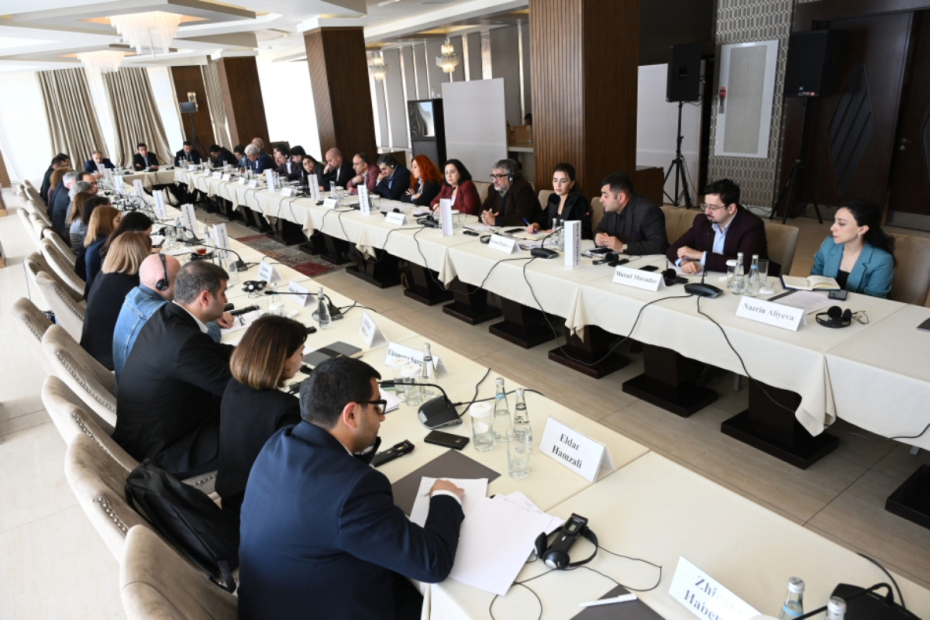
Azerbaijan hosted another bilateral roundtable within the ‘Peace Bridge’ initiative from 10 to 12 April, bringing together civil society, expert and media representatives from both countries for a three-day meeting.
The Armenian delegation entered Azerbaijan via the Tavush- Gazakh section of the interstate border on 10 April, passing through a delimited and demarcated area and completing all required border procedures.
Organisers described the crossing as a symbolic step aimed at strengthening confidence-building between the two societies.
Farhad Mammadov, the Azerbaijani national coordinator of the initiative and Director of the Center for Studies of the South Caucasus, said: “As a result, we are now witnessing constructive dialogue at the political level, the first steps towards economic cooperation, and the emergence of a bilateral dialogue between the civil societies of the two countries.”
Areg Kochinyan, coordinator of the initiative and president of the Armenian Council, said: “This is a significant symbolic step in itself. It confirms how real peace is and how close we are to implementing the peace agenda agreed upon in Washington and, prior to that, during our leaders' meeting in Abu Dhabi.”
Focus on regional geopolitics and peace process
Participants discussed developments in the South Caucasus and their impact on the peace process, exchanging views on regional dynamics and national perspectives.
The agenda also included broader geopolitical issues such as the Russia- Ukraine War and tensions involving Iran, alongside domestic political developments and public perceptions of peace.
Commenting on the role of the Track 2 format and its broader impact, Boris Navasardian, speaking to AnewZ, said the initiative allows continuous engagement between meetings and helps maintain communication across different layers of society in both countries.
He noted that, despite the upcoming Armenian parliamentary elections and a stronger focus on internal politics, the process remains active, although decision-making momentum appears relatively slow during the pre-election period.
The meeting follows momentum from the trilateral summit of Azerbaijan, Armenia and the United States held in Washington on 8 August 2025, which established a framework for ongoing engagement.
Confidence-building and societal dialogue
Separate sessions focused on strengthening societal-level peace initiatives and building trust for future stages of the process.
The current round is seen as the final meeting before Armenia’s parliamentary elections scheduled for 7 June, which Prime Minister Nikol Pashinyan has framed as a choice between continued peace efforts and the risk of renewed conflict.
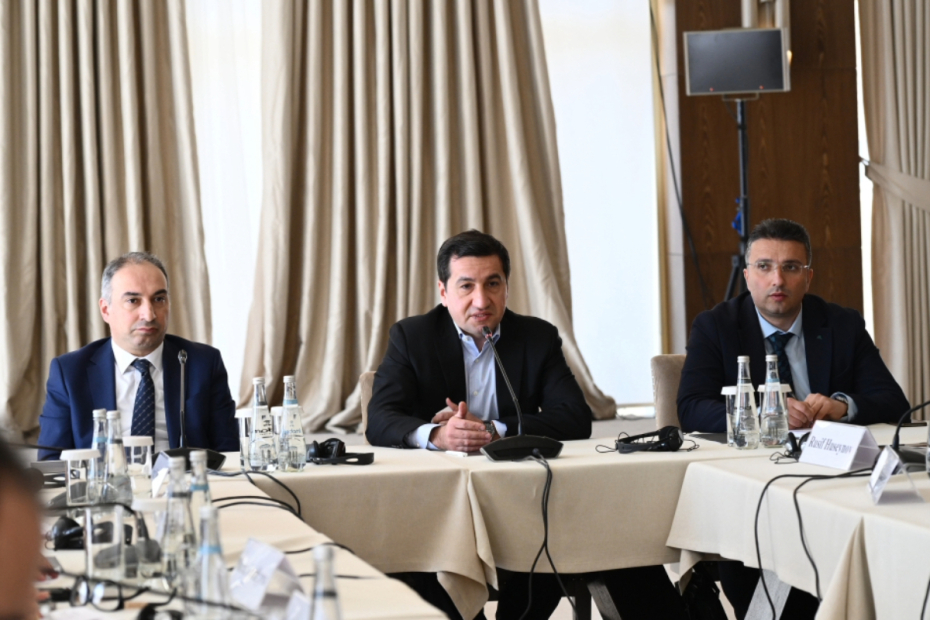
On the second day, Hikmat Hajiyev, Assistant to the President of Azerbaijan and Head of the Foreign Policy Department, met participants for two hours, responding to questions raised by the Armenian side.
He reaffirmed Azerbaijan’s commitment to the Washington peace agenda and noted progress in practical cooperation, including established trade links and transit arrangements. Hajiyev also said the implementation of the TRIPP project would significantly reshape regional transport infrastructure.
In a post on X, Hajiyev described Track 2 diplomacy as a bilateral process supported by both governments, while also raising concerns about rhetoric in Armenia.
During the previous session in Armenia in February, Armenian National Security Council Secretary Armen Grigoryanalso met participants and engaged with questions from the Azerbaijani side.











What is your opinion on this topic?
Leave the first comment