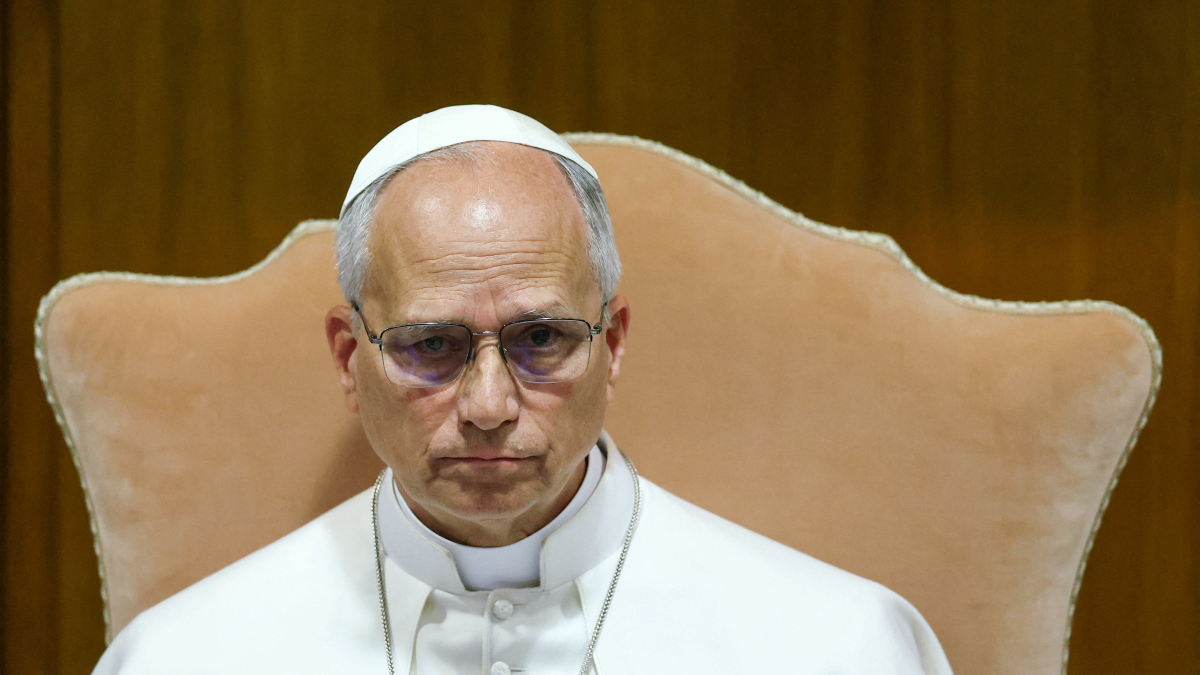
Pope Leo XIV has issued a historic apology for the Catholic Church’s past role in legitimising slavery, describing it as a “wound in Christian memory,” as he released a landmark encyclical addressing human dignity in the age of artificial intelligence.
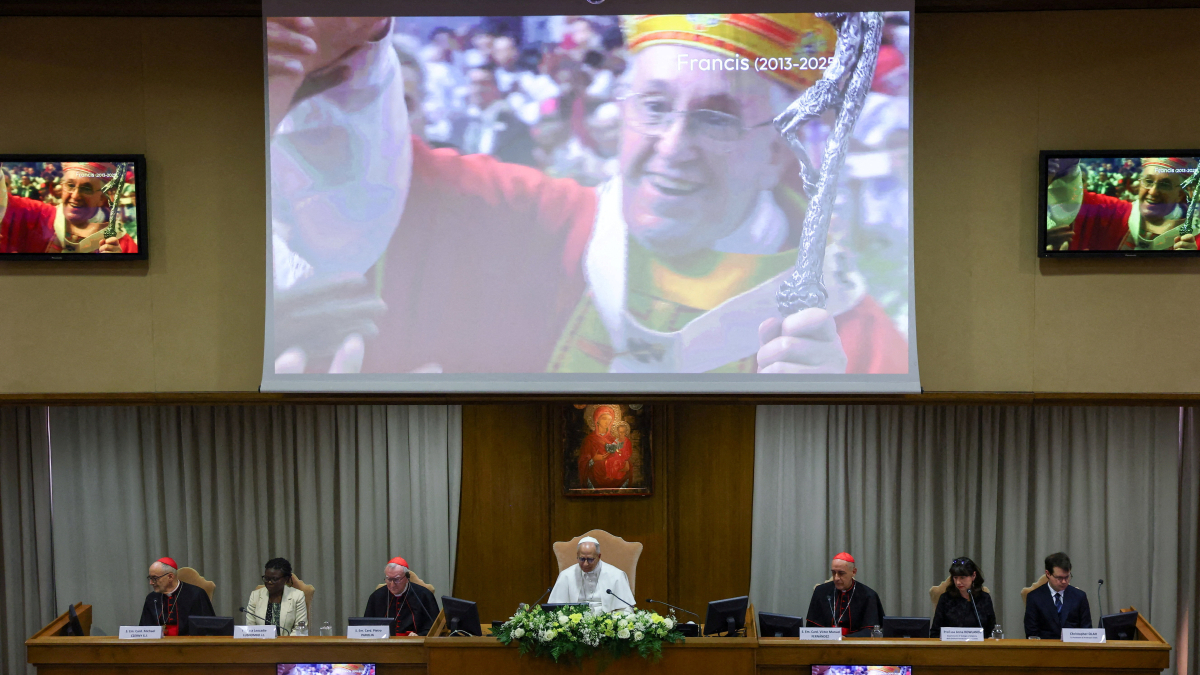
His first encyclical, Magnifica Humanitas, focuses on safeguarding the human person in the era of AI and was presented at the Vatican alongside church officials, academics, and AI experts.
It combines traditional Catholic social teaching with new ethical guidance on AI, addressing concerns over its impact on labour, education, security, and global stability.
An encyclical is an official papal letter addressed primarily to bishops but intended for the wider Church, offering guidance on doctrine, morals, and contemporary social issues.
Vatican presentation and global participation
The presentation included senior Vatican officials and global experts such as Cardinal Víctor Manuel Fernández, Cardinal Michael Czerny and theologian Professor Anna Rowlands, but also Christopher Olah, co-founder of Anthropic (AI company), alongside other academic and religious figures.
Olah said in an X post that AI’s challenges extend beyond the tech industry and require cooperation between religious communities, civil society, and governments.
AI, ethics, and human dignity
In his first major document, Pope Leo XIV urged governments to slow the development of artificial intelligence systems, warning that unchecked progress could amplify misinformation, deepen conflict.
He wrote that “the use of force, violence and weapons reflects a relational poverty that always has disastrous consequences for civilian populations.”
The pope called for “robust legal frameworks, independent oversight, informed users and a political system that does not abdicate its responsibility.”
He also warned against concentrating AI development in private hands, urging stronger protection for workers, safeguards for children, and measures to curb excessive competition in the tech sector.
Global conflict, inequality, and historical reflection
The encyclical expands its focus to global instability, highlighting rising conflicts, weakening multilateral institutions, and the influence of arms industries.
Pope Leo XIV also issued a historic apology for the Holy See’s role in legitimising slavery and its failure to condemn it for centuries, describing it as a “wound in Christian memory.” He is the first pope to explicitly acknowledge and apologise for papal authority that once empowered European rulers to enslave “infidels.”
He linked this legacy to modern global inequalities, warning that today’s digital economy risks creating new forms of exploitation.
In particular, he highlighted poor labour conditions in global supply chains, including the extraction of rare minerals used in AI technologies, drawing parallels with historical colonialism and slavery.
He concluded by urging global leaders not to lose faith in their ability to shape change, stressing that ethical and political decisions will determine the future of both artificial intelligence and humanity.


















What is your opinion on this topic?
Leave the first comment