Peace-making has a habit of creating new enemies - especially when it reduces someone else’s leverage. As Azerbaijan and Armenia move toward a settlement architecture that no longer depends on Moscow as the indispensable broker, pressure has not vanished; it has shifted shape.
The sharper edge is increasingly informational: narratives designed to delegitimise peace, to portray sovereignty as recklessness, and to make coercion sound like a reasonable administrative option.
One of the clearest signals is linguistic. When a prominent Russian TV host, Vladimir Solovyov, uses “special military operation” rhetoric in relation to Armenia, it is not simply theatre. It is an attempt to normalise the idea that the South Caucasus can be managed with the same vocabulary - and potentially the same instruments - used elsewhere. This kind of messaging does not need to announce a plan; it works by making coercion feel thinkable, even banal.
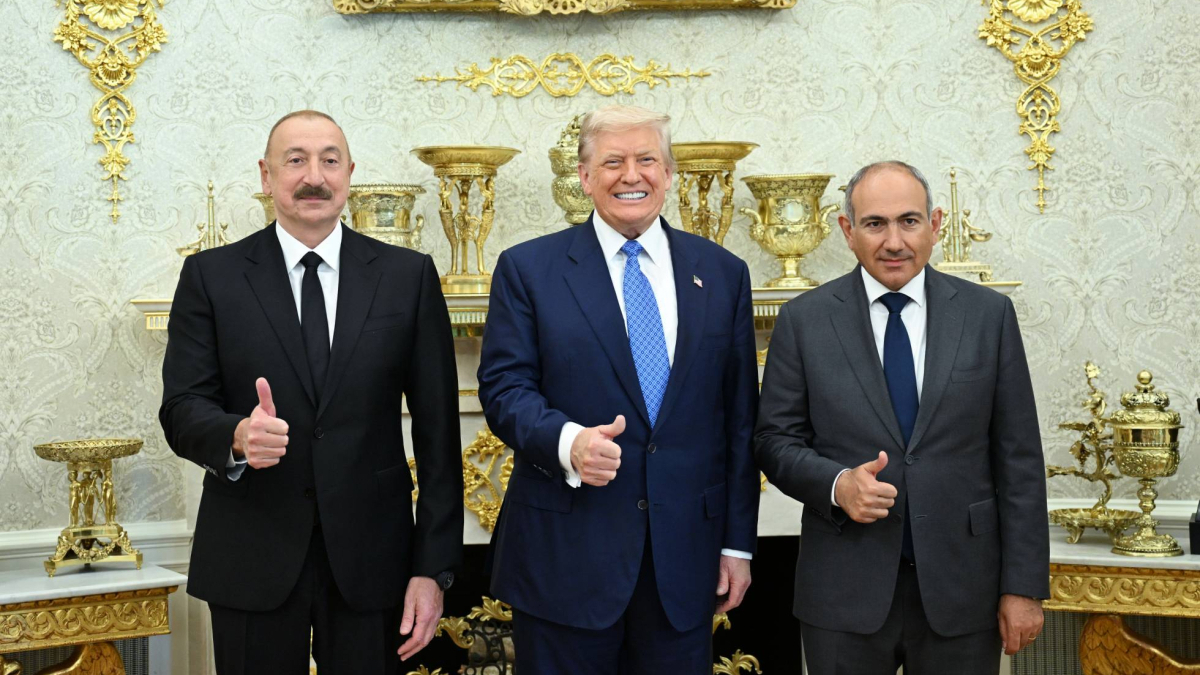
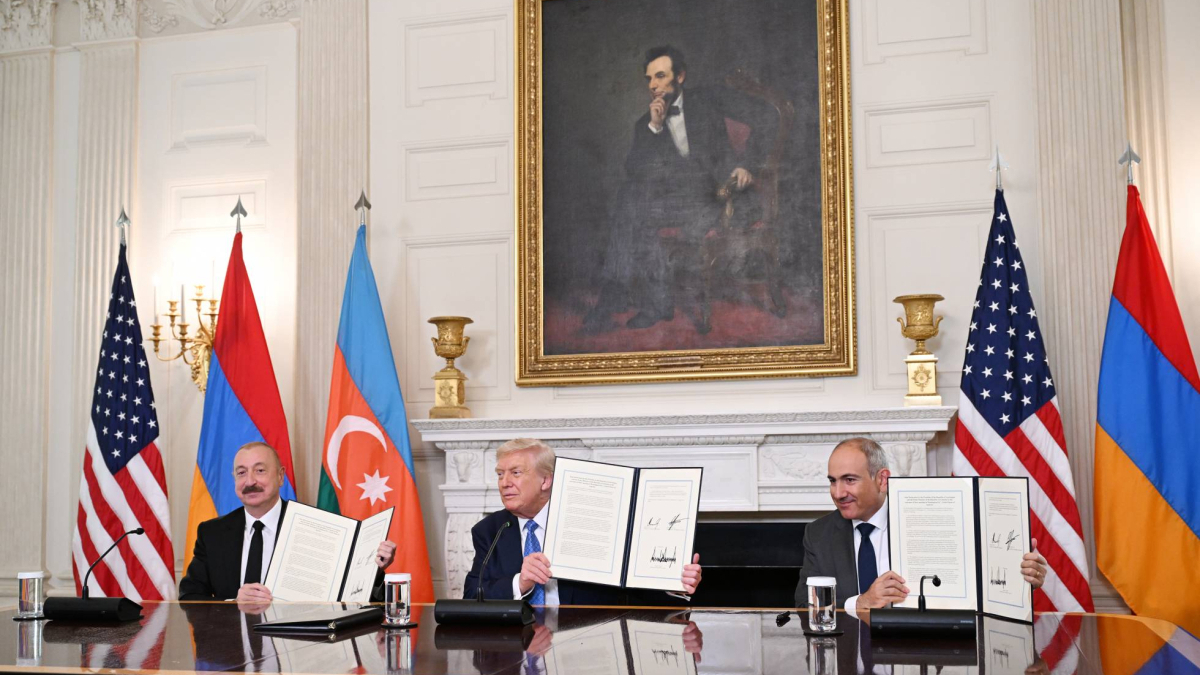
At the same time, the diplomatic track has been moving in ways that matter strategically. The Washington meeting in August 2025 - where President Donald Trump was publicly associated with the process and where the parties initialed agreed peace text and issued formal documents - signalled something Moscow traditionally resists: the re-routing of regional outcomes into formats it does not control. In systems built on gatekeeping, losing the gate is not a detail. It is a threat to the whole model.
Joint Declaration by the President of Azerbaijan and the Prime Minister of Armenia following their meeting in Washington, D.C., 9 August, 2025
Reuters
Joint Declaration by the President of Azerbaijan and the Prime Minister of Armenia following their meeting in Washington, D.C., 9 August, 2025
Reuters
Why now: the reshuffle and the curator’s footprint
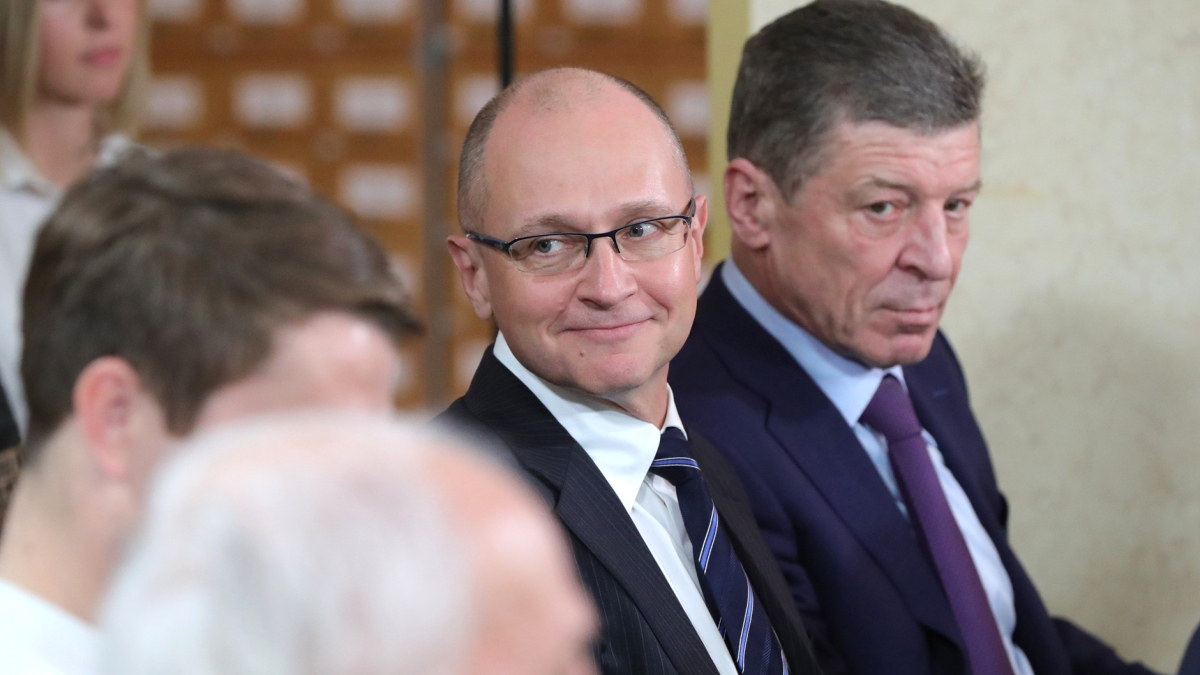
The bureaucratic anchor is clear: in September 2025, Dmitry Kozak was removed from his post as deputy head of Russia’s presidential administration. That matters because Kozak’s name had long been associated with sensitive post-Soviet files. His departure did not end Kremlin curatorship; it sharpened questions about who would carry which portfolios - and how aggressively.
President.Az
A familiar pattern emerges around Sergei Kirienko: no single public decree names him “curator of the Caucasus,” yet his remit repeatedly surfaces where the Kremlin’s core political-engineering priorities converge - elections, contested territories, and control of the information space. The most explicit line concerns Armenia: he was reported as being tasked with advancing Russian interests through “soft power” in the run-up to the 2026 parliamentary election cycle, alongside reporting on Russia-financed soft-power projects focused on Armenia.
If “soft power” sounds benign, Moldova shows what it can look like when operationalised. Detailed analysis of Moldova’s 2025 election season describes an influence model built around online ecosystems, narrative seeding, and mobilisation-friendly media dynamics - less about persuasion in a seminar room, more about creating an environment where the desired political outcome becomes easier to force, and the undesired one harder to sustain.
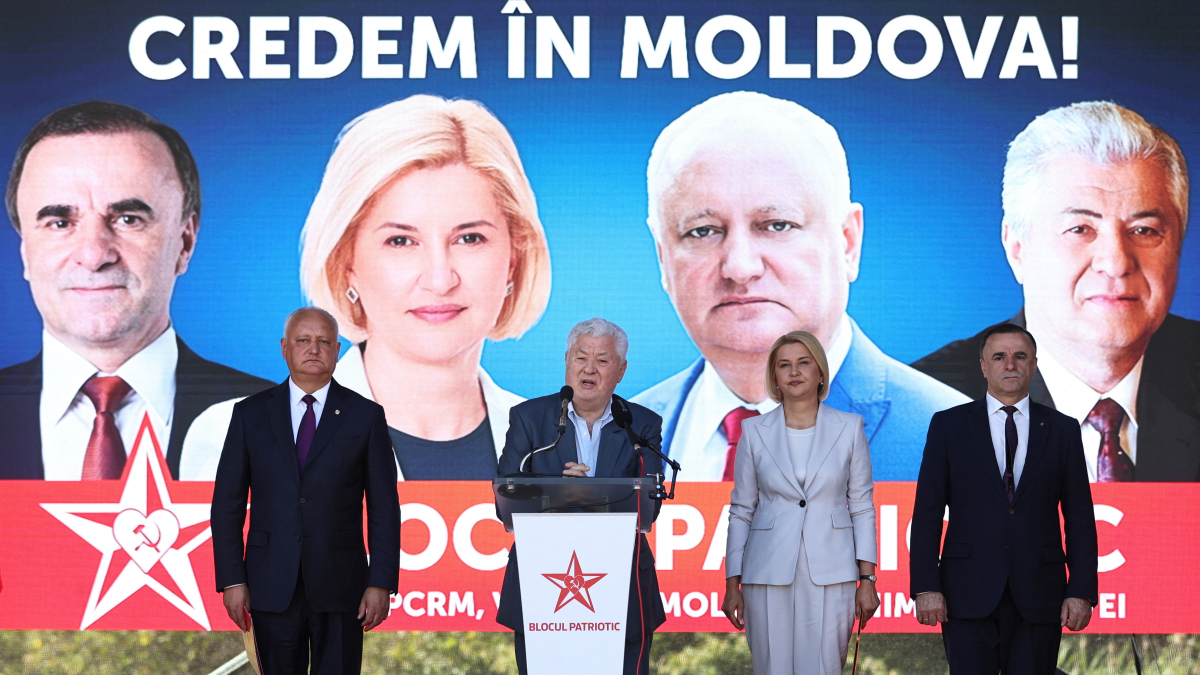
Leaders of the Patriotic Electoral Bloc Igor Dodon, Vladimir Voronin, Irina Vlah and Vasile Tarlev, take part in a rally launching the election campaign ahead of the parliamentary elections, at the Capriana Monastery in the village of Capriana, Moldova 29 August, 2025
President.Az
Moldova as template: how hybrid pressure is assembled
It begins online: influencers - especially in TikTok ecosystems - are used to manufacture viral conflict and to attach political meaning to cultural or “sports” storylines. One operation described a fabricated champion narrative around a major TikTok personality, followed by a deliberately inflated confrontation with the authorities, and then an attempt to transfer the influencer’s positive image onto a revanchist political project promoted by friendly media.
When the online scandal cooled, the article describes a second track: an attempted entry of around 200 Russian and Belarusian kickboxers under the cover of a sporting event - blocked on security grounds amid concerns that such groups could be routed toward Transnistria and used for disruption ahead of elections. The declared objective is not persuasion in the abstract but pressure in the concrete: engineered social-media chaos to shape opinion, launder operations, and raise the cost of Moldova’s European trajectory.
Who is Kirienko: a political engineer, not a diplomat
Kirienko is best understood as an administrator of outcomes. His official biography fixes the core points: he has served at the top of the presidential administration, and he previously held senior government office, including as prime minister in 1998. Analytical profiles in Western security and political-risk literature characterise him as a major operator in Putin’s system - someone associated with managing politics as a controlled process.
That is precisely why his name matters in a story about hybrid pressure. Elections and identity conflicts are not won by a single broadcast. They are won by systems: incentives, distribution channels, and disciplined messaging - especially when a state’s objective is not to convince everyone, but to control the direction and volume of public mood.
Platform control: the infrastructure beneath the narratives
Hybrid pressure scales when distribution is controllable. Russia’s push for “digital sovereignty” is best read not as a slogan but as infrastructure policy: build domestic pipes, weaken reliance on foreign ones, and make attention flows easier to regulate.
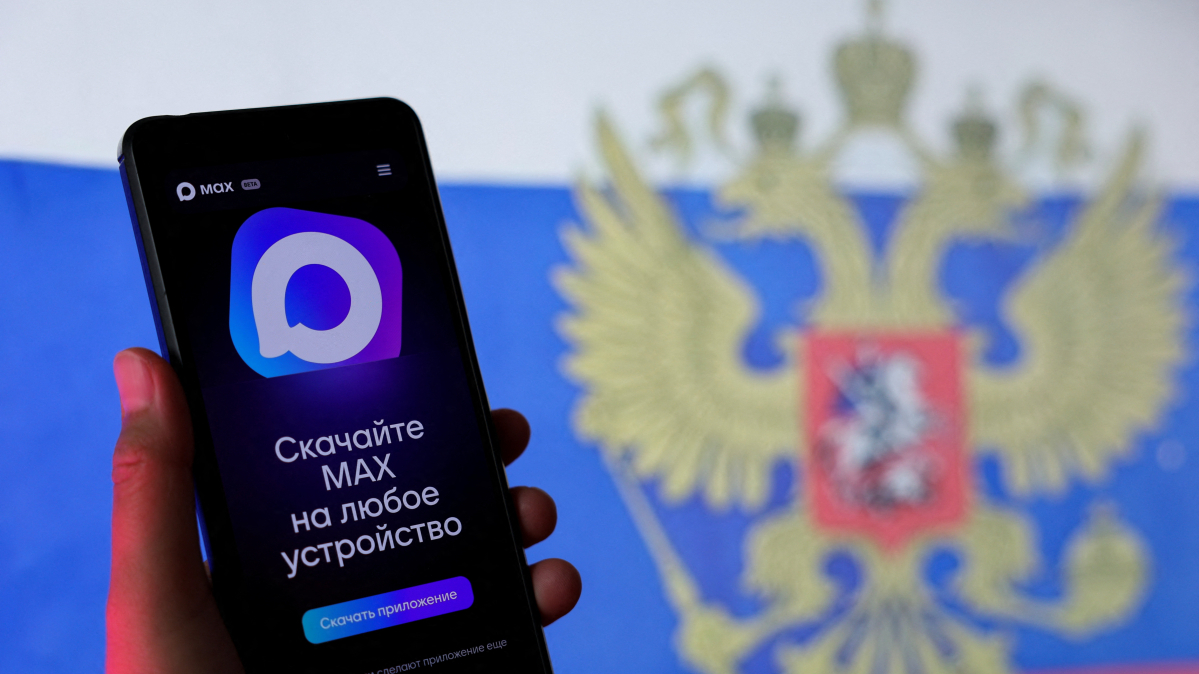
In 2025, a state-backed messenger, MAX, was authorised for integration with government services and positioned as a rival to WhatsApp and Telegram.
The Russian messenger application MAX displayed on a smartphone next to a screen showing the state flag of Russia in this illustration taken September 4, 2025
President.Az
The trajectory then moved from authorisation to enforcement: domestic alternatives being promoted and, in some cases, mandated through pre-installation rules. In parallel, reporting described restrictions affecting calling features on major foreign messengers - measures justified as compliance enforcement but also consistent with the broader strategic direction: make foreign platforms less useful and domestic ones more unavoidable.
Control over “pipes” is only half the story; the other half is the content economy that runs through them.
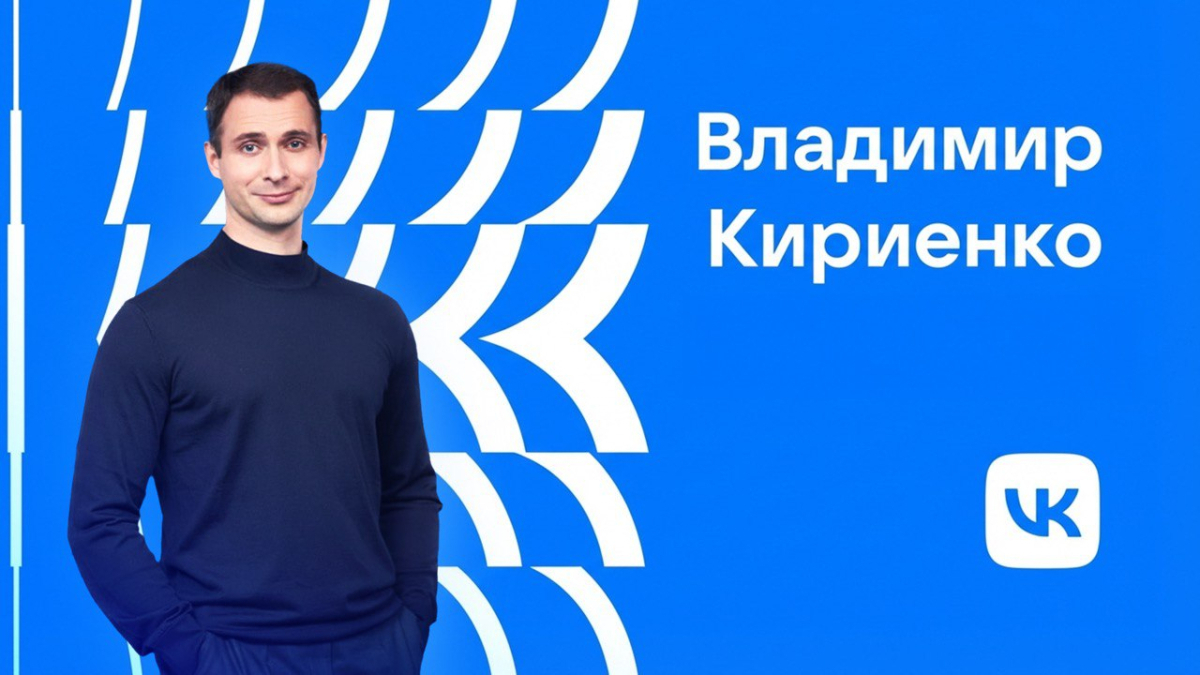
Governance signals around VK have been widely reported, including the appointment of Kirienko’s son, Vladimir Kirienko, as CEO in late 2021. Meanwhile, inside-Russia commentary has portrayed VK Video as effectively state-run and argued that monetisation and visibility accrue to voices perceived as loyal - an ecosystem in which influence is not merely broadcast but financially structured.
Anewz
This is the strategic point: when a state can slow rival pipes and reward preferred ones, it does not need to win every argument. It can decide which arguments travel - and which fail to travel fast enough to matter.
Abkhazia: curatorship made visible
Contested territories often function as laboratories for political management. Abkhazia offers a clear illustration of how Moscow’s curatorship style can shift from remote coordination to visible signalling. In July 2025, Kirienko’s visit to Abkhazia was reported as a notable departure from the previous approach, contrasted explicitly with Kozak’s non-visiting style. The message of such trips is not subtle: local elites are reminded where authority sits, and external audiences are shown that the file is being handled “from above”.
This matters for the broader Caucasus story because it demonstrates a specific logic of control: curatorship is not only about decisions; it is about demonstrating hierarchy at moments when the system feels stress.
Why pressure rises around Azerbaijan and Armenia: peace as loss, principle as friction
Two drivers reinforce each other.
First, peace without Moscow reduces leverage. A settlement track routed through Washington and other external formats threatens a long-standing assumption: that the Kremlin must be consulted not just as a neighbour, but as a manager of outcomes.
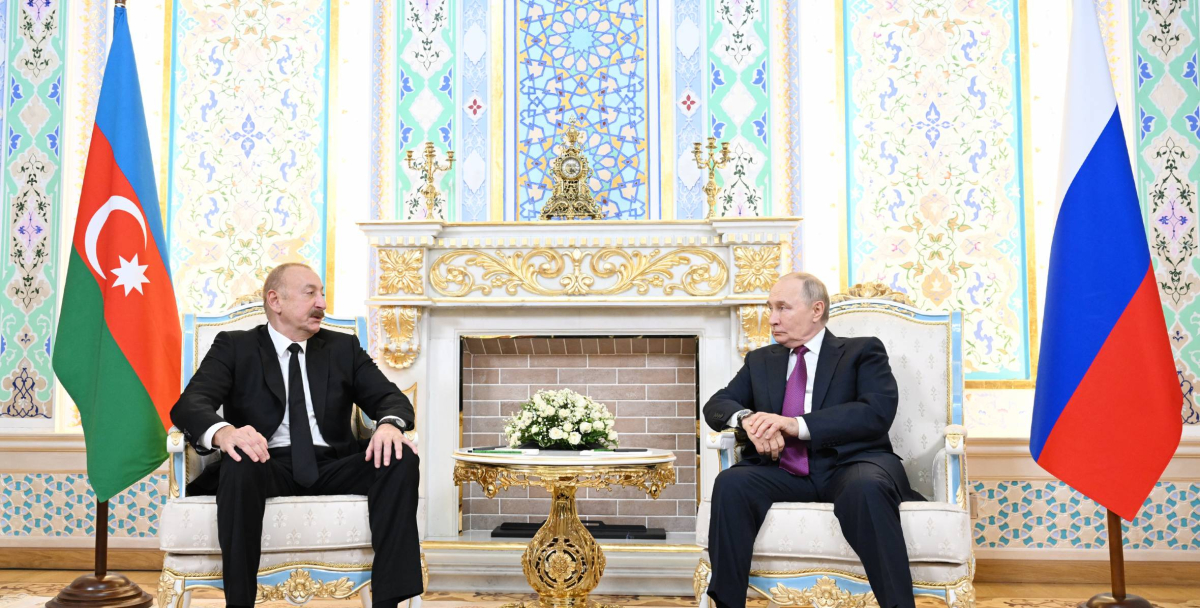
Second, Azerbaijan has shown it will not absorb “strategic ambiguity” in sensitive crises. The AZAL passenger plane case became a marker. A preliminary report indicated damage likely caused by “external objects.” Azerbaijan publicly accused Russia of accidentally shooting the plane down. Subsequent reporting described President Ilham Aliyev demanding Russia admit responsibility, punish those responsible, and pay compensation, with later accounts noting Putin’s explanations and pledges regarding compensation.
Ilham Aliyev, President of the Republic of Azerbaijan, held a one-on-one meeting with Vladimir Putin, President of the Russian Federation, in Dushanbe, on 9 October, 2025
Reuters
Armenia’s election window: where “soft power” becomes hard power by other means, Armenia’s parliamentary election has been reported as scheduled for June 2026. Elections create predictable opportunity: persuasion is cheaper, polarisation is easier, and political actors are more vulnerable to “assistance” that arrives as media projects, influencer ecosystems, cultural initiatives, or financial pipelines disguised as civic activity.
That context is what makes the earlier reporting about Kirienko being tasked with advancing Russian interests in Armenia through “soft power” structurally important. It ties a senior curator to an electoral timetable. Separately, domestic tension ahead of elections - illustrated by reported arrests linked to an alleged coup plot - shows a political environment where destabilising narratives can find traction even without a single external “order.”
Governance by design, pressure by system
The Caucasus question is not whether identical methods will be copied mechanically; it is whether the same managerial logic, curatorship plus platform control plus election-season targeting, will be applied where the Kremlin feels leverage slipping.
In the South Caucasus, the core contest is no longer only about borders and corridors. It is about whether a peace agenda and principled state behaviour can hold under a model built to shape what people see, what they believe, and what they may be pushed to do.
The Council of the European Union has formally adopted two regulations implementing tariff commitments agreed in the 2025 EU-U.S. Joint Statement, rem...
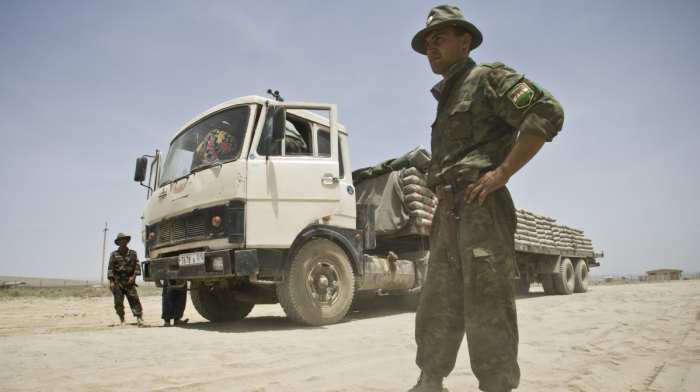
CSTO Secretary General Taalatbek Masadykov has inspected security along the Tajikistan-Afghanistan border as the regional bloc continues a long-term p...
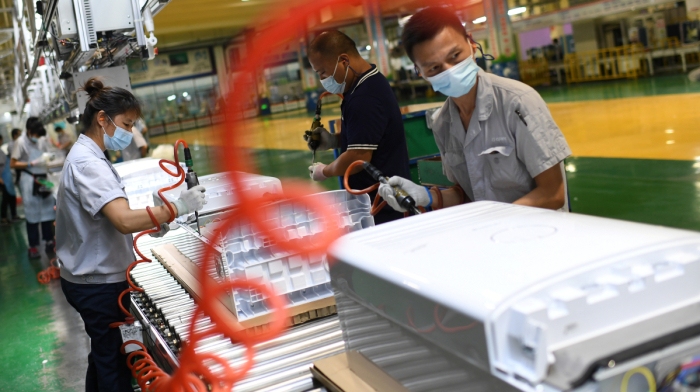
Chinese manufacturers are working at full capacity as two very different global pressures fuel demand. Europe's record heatwave has triggered a rush f...
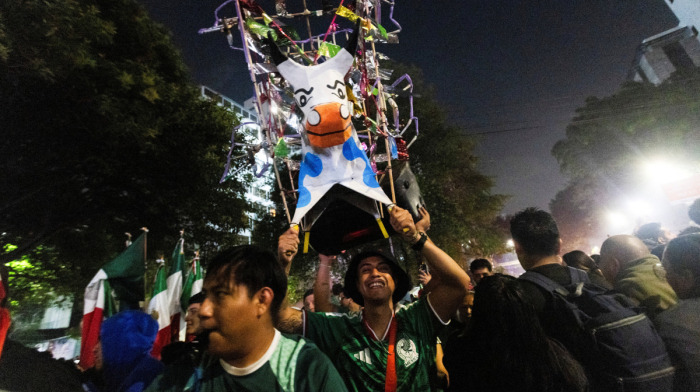
Three people died from suffocation after thousands of fans crowded the streets of Mexico City following Mexico’s victory at the 2026 FIFA World Cup,...
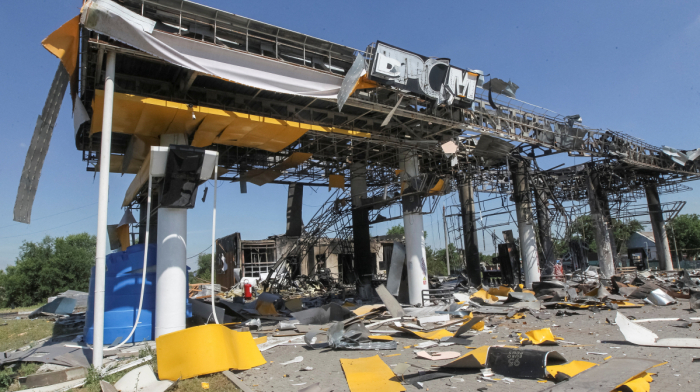
Russia and Ukraine have reported fresh military successes as both sides intensify efforts to weaken each other's logistics, energy infrastructure and ...
The Council of the European Union has formally adopted two regulations implementing tariff commitments agreed in the 2025 EU-U.S. Joint Statement, removing the remaining customs duties on American industrial goods and completing the legislative process.
CSTO Secretary General Taalatbek Masadykov has inspected security along the Tajikistan-Afghanistan border as the regional bloc continues a long-term programme to strengthen one of Central Asia's most strategically important frontiers.
Chinese manufacturers are working at full capacity as two very different global pressures fuel demand. Europe's record heatwave has triggered a rush for air conditioners, while U.S. retailers are accelerating imports to beat looming tariff increases.
Three people died from suffocation after thousands of fans crowded the streets of Mexico City following Mexico’s victory at the 2026 FIFA World Cup, city health officials said early on Wednesday (1 July).
Iranian and U.S. negotiating teams were due in Doha this week, but Iran said on Monday no meeting had been scheduled as weekend missile fire from both sides tested the interim ceasefire to end the four-month-old war.
The U.S. and Iran have agreed to 'stand down' and resume technical talks, allowing vessels allowed to move freely under the interim peace deal, a U.S. official said.
The wife and children of Argentine footballer Lucas Trejo were among around 1,700 people who died when two earthquakes struck northern Venezuela last week.
Mexico ended their 40-year wait for a World Cup knockout win, while Erling Haaland sent Norway through and Kylian Mbappé fired France into the last 16.
Iran has ruled out direct talks with senior U.S. envoys in the Gulf, saying any contact will take place through Qatari mediators. Meanwhile, Steve Witkoff and Jared Kushner have met in Doha with Qatar's PM Sheikh Mohammed bin Abdulrahman bin Jassim Al Thani.
CSTO Secretary General Taalatbek Masadykov has inspected security along the Tajikistan-Afghanistan border as the regional bloc continues a long-term programme to strengthen one of Central Asia's most strategically important frontiers.
Pakistan's military said on Wednesday it intercepted and destroyed four drones launched from Afghanistan into Balochistan, days after Islamabad carried out cross-border strikes against what it described as militant hideouts in eastern Afghanistan, further escalating tensions between the neighbours.
United Nations Secretary-General Antonio Guterres has appealed to member states to urgently help plug a $100 million funding gap facing the UN agency for Palestinian refugees, warning it is close to "breaking point" after months of deep spending cuts.
Georgia's Minister of Internal Affairs, Sulkhan Tamazashvili, has wrapped up an official visit to Armenia with a clear message: the two countries' law enforcement agencies are set to work even closer together.
Iran has ruled out direct talks with senior U.S. envoys in the Gulf, saying any contact will take place through Qatari mediators. Meanwhile, Steve Witkoff and Jared Kushner have met in Doha with Qatar's PM Sheikh Mohammed bin Abdulrahman bin Jassim Al Thani.









What is your opinion on this topic?
Leave the first comment