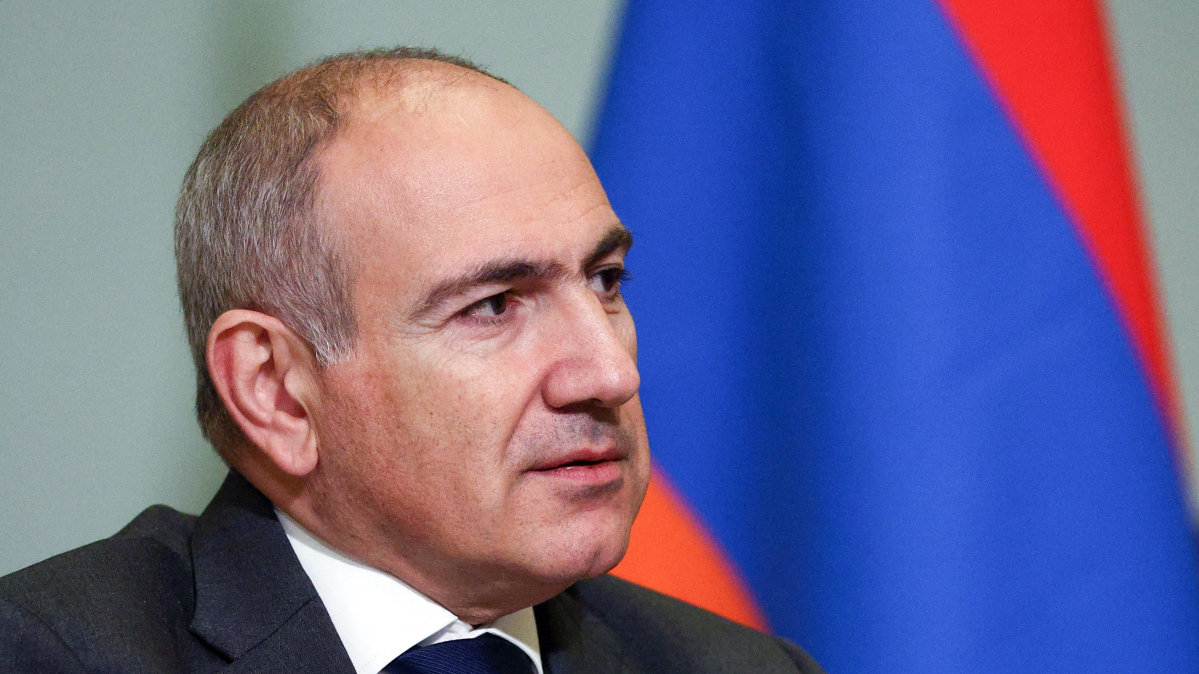
Armenian Prime Minister Nikol Pashinyan has moved to advance reforms of the Armenian Apostolic Church, signing a controversial roadmap with ten senior bishops that could pave the way for the departure of the current church leader.
The document, signed at the prime minister’s residence on 5 January, sets out a series of steps described by Pashinyan and participating clergy as essential for the "revival" and strengthening of the Church.
The roadmap envisages a public announcement of reform plans, the removal of the current head of the Church, the appointment of a locum tenens, the adoption of a new church statute and the election of a new Catholicos of All Armenians under revised canonical procedures.
According to the proposal, the new statute would be designed to ensure compliance with canon law, improve financial transparency and enforce ethical standards among clergy.
Pashinyan first outlined the broader reform framework on 8 December, saying it would be activated after Catholicos of All Armenians Karekin II steps down.
He emphasised that the Church’s governance needed updating to reflect greater accountability, ethical standards, and the spiritual mission of the institution.
To oversee the implementation of the roadmap, a coordinating council will be established, tasked with guiding the Church’s renewal process.
Concerns over church independence
The initiative has prompted criticism from church loyalists and civil society groups, who warn that state involvement risks undermining the constitutional independence of the Armenian Apostolic Church.
The Church has not issued a formal public response to the roadmap.
Observers say the move forms part of a broader effort by Pashinyan to assert greater oversight of religious institutions, which he has framed as necessary to reinforce national spiritual values and public accountability.
Previous tensions
Relations between the government and the Church have been strained for several years.
Pashinyan has repeatedly criticised Karekin II’s leadership, questioning his moral and administrative authority and describing the current governance model as arbitrary and uncanonical.
He has pointed to the absence of a comprehensive church statute, despite commitments made as early as 2011, as evidence of the need for reform.
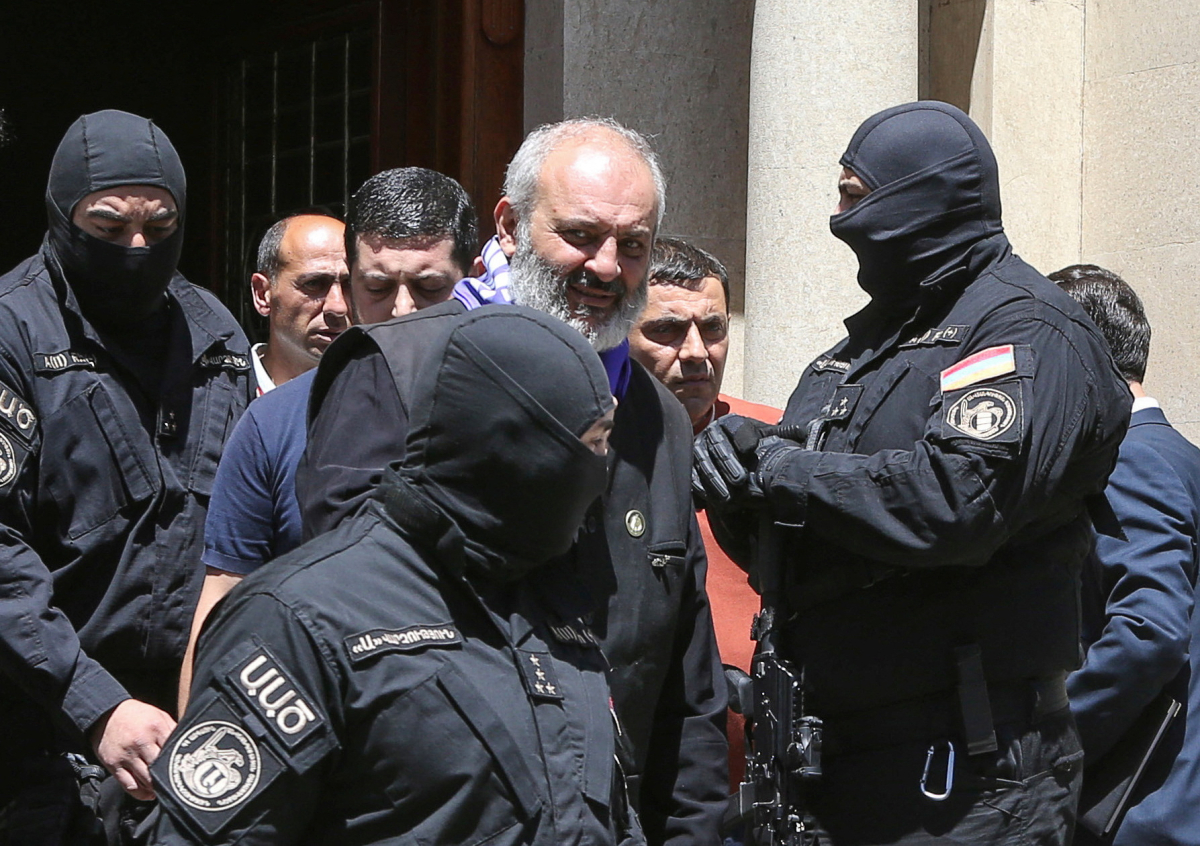
Over the past year, several senior clerics have been detained amid disputes over church governance, including Archbishop Bagrat Galstanyan, Archbishop Mikael Adjapahyan, Bishop Mkrtich Proshyan and Arshak Khachatryan, head of the Echmiadzin chancery.
The confrontation has deepened divisions within Armenian society, with senior clergy warning against political interference and stressing the Church’s constitutional autonomy.
Analysts say the standoff reflects a broader struggle over church–state relations in Armenia and could shape public opinion amid ongoing political polarisation.













What is your opinion on this topic?
Leave the first comment