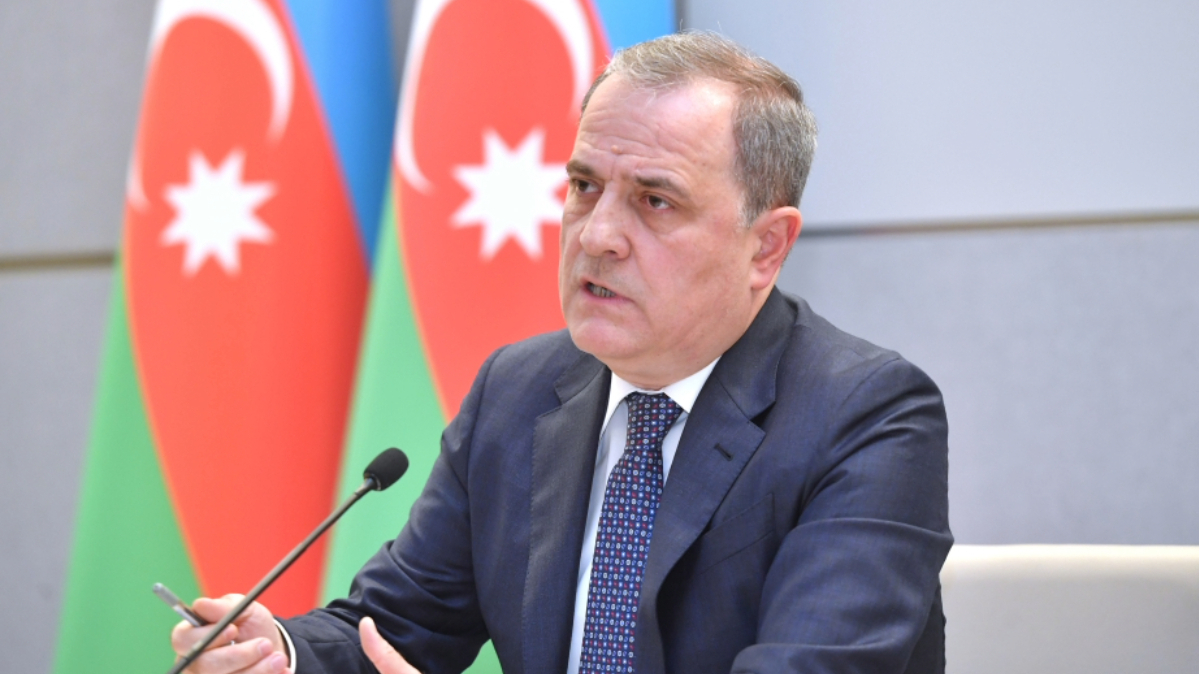
In 2025, Azerbaijan made notable strides in its foreign policy with the country's Foreign Minister Jeyhun Bayramov said on Friday.
He added that Azerbaijan conducted political consultations with 52 countries and signed 191 documents with 41 nations throughout the year, bolstering diplomatic ties.
In his year-end review, Foreign Minister of Azerbaijani Jeyhun Bayramov emphasised the country’s active diplomacy and expanding role on the international stage.
Bayramov said that Azerbaijan and Türkiye maintain exceptional fraternal relations, with the personal rapport between the two presidents playing a central role.
Highlighting Türkiye’s unwavering support during and after the Azerbaijan-Armenia war 2020, Bayramov described this backing as a key element of the countries’ close coordination. He emphasised that Türkiye’s relations with Armenia are conducted in coordination with Azerbaijan.
"For instance, we had contacts with Türkiye before the decision to resume flights between Armenia and Türkiye and we are aware of this," he added.
The year 2025 saw a cooling in diplomatic relations with Russia, despite which dialogue channels remained open, with the 9 October meeting in Dushanbe playing a crucial role in easing bilateral strains.
He noted that the situation surrounding the Russian House in Baku was fully resolved after authorities enforced local legal regulations, marking a firm stance on sovereignty and legal compliance.
Azerbaijan also maintained intensive diplomatic contacts with neighbours Georgia and Iran, accompanied by high-level visits and consultations.
Reflecting on regional developments, Bayramov noted that just a few years ago, the idea of building transport links through Georgia to Armenia was unimaginable.
“Today, a completely new geopolitical and economic environment has emerged in the South Caucasus, and these developments are expected to continue in 2026,” he emphasised.
In 2026, Azerbaijan plans to continue its foreign policy priorities at both bilateral and multilateral levels, guided by the political initiatives of President Ilham Aliyev.
European Union
Bayramov stressed that Azerbaijan’s relations with the European Union are advancing across five main pillars, with cooperation expanding through strategic formats.
According to his report, strategic partnerships have been established with 10 EU member states, reflecting a political dialogue built on mutual trust.
"Azerbaijan demonstrated an active and principled position at the 6th and 7th Summits of the European Political Community with the participation of President Ilham Aliyev," Bayramov said, underlining high-level reciprocal visits and intensive consultations in 2025.
"Within this platform, Azerbaijan has consistently reiterated its position on issues of European security, energy cooperation and regional stability,” he added.
Bayramov also emphasised that an agreement was reached to hold the 12th Summit of the European Political Community in Azerbaijan in 2028, signalling the country’s growing political influence and status as a reliable European partner.
Throughout the year, President Ilham Aliyev made 14 working visits to Central Asian countries, accompanied by reciprocal visits from regional leaders, underscoring Azerbaijan’s proactive engagement in fostering regional cooperation.
Azerbaijan’s relations with China and Vietnam have been elevated to a qualitatively new level in 2025.
FM Bayramov added that the country maintained existing relations of traditional friendship and strategic partnership with Pakistan, while also enhancing its political and diplomatic contacts in the Middle East.
He also noted that Azerbaijan had remained neutral in its position regarding the Israel-Palestine conflict.
Global Multilateral Cooperation
In 2025, Azerbaijan expanded its influence across international organisations. All 14 candidacies it put forward to global bodies were successful, reinforcing its rising international stature.
Cooperation with the Economic Cooperation Organisation (ECO), the Organisation of Islamic Cooperation (OIC), the Non-Aligned Movement, the Shanghai Cooperation Organisation (SCO), the Commonwealth of Independent States (CIS), and UNESCO was strengthened, reflecting a comprehensive multilateral engagement strategy.
Azerbaijan also deepened relations with Syria, providing humanitarian aid, reopening its embassy, and initiating gas supplies.
These steps demonstrated Azerbaijan’s active role in supporting stability and reconstruction efforts amid ongoing regional challenges.
After implementing anti-terrorist measures in 2023, Azerbaijan faced certain pressures, Bayramov said.
He noted that artificial obstacles had been created to hinder the Azerbaijani delegation’s activities in PACE.
However, he added that today “those international organisations understand that they took the wrong steps and acknowledge that it is no longer possible to speak to Azerbaijan solely in the language of pressure.”
Diplomacy and Investments
The expansion of the Southern Gas Corridor has been a major driver of Azerbaijan’s energy diplomacy. In 2025, the country not only exported energy products to numerous countries but also acquired stakes in foreign energy projects, integrating economic and energy strategies with broader diplomatic goals.
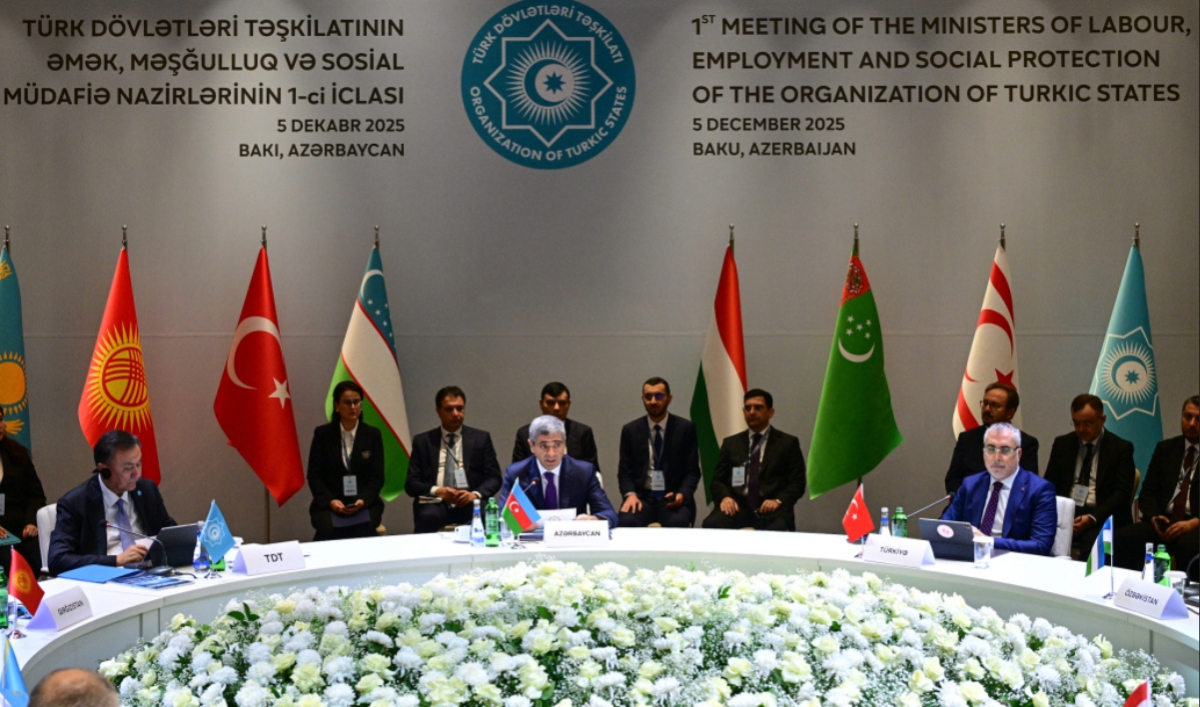
Within the Organisation of Turkic States (OTS), defence cooperation remained a top priority.
The OTS established collaboration across nearly 35 sectors, with joint military exercises regularly conducted in Azerbaijan and other member states. Military personnel from non-member countries were also invited to participate, reflecting Azerbaijan’s commitment to regional security and peacekeeping initiatives.
Efforts to simplify international travel continued, with Azerbaijan expanding visa-free regimes to 10 additional countries in 2025.
The Republic now maintains diplomatic passport agreements with 74 nations, facilitating greater mobility for its citizens and strengthening international connectivity.
Relations with the United States
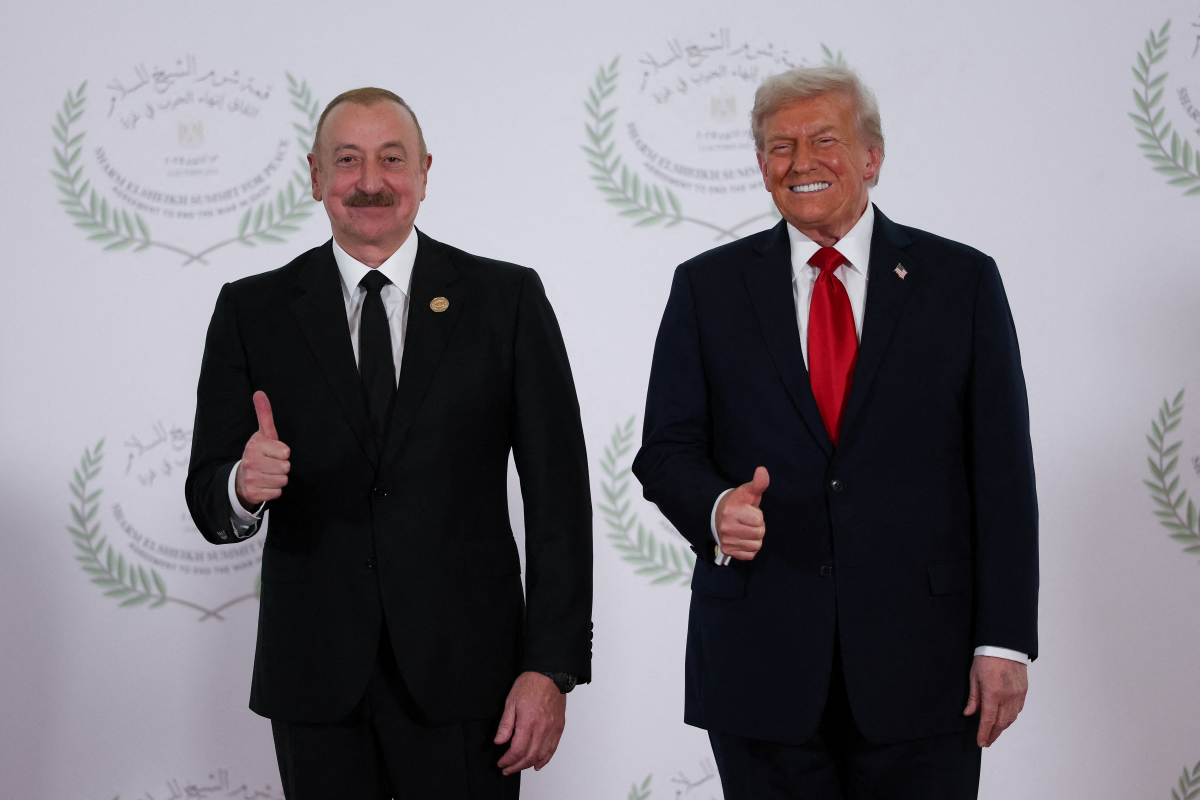
The Minister revealed that Azerbaijan recorded notable progress in its relations with the United States in 2025 through high‑level engagements, strategic initiatives and institutional cooperation.
He mentioned the historic Washington summit hosted by U.S. President Donald Trump hosted at the White House on 8 August 2025 with the leaders of Azerbaijan and Armenia.
The summit resulted in agreements on peace, regional connectivity, and constitutional reforms in Armenia.
The meetings, held both bilaterally and jointly, concluded with the signing of the Joint Declaration by President Ilham Aliyev and Prime Minister Nikol Pashinyan, witnessed by President Trump, formalising the summit outcomes.
Key achievements included the establishment of a Strategic Working Group between the U.S. and Azerbaijan, the extension of the Section 907 waiver under the U.S. Freedom Support Act, and a joint appeal to close the OSCE Minsk Process and its related structures.
The summit also launched the framework for the Trump Route for International Peace and Prosperity (TRIPP), with Azerbaijan upgrading the Nakhchivan railway and extending it to the Armenian border, while trade and cargo transit between the two countries resumed for the first time in decades, including deliveries of Kazakh and Russian wheat and SOCAR petroleum products.
The agreements reached at the summit are regarded as a turning point in regional relations, signalling a shift from confrontation to lasting cooperation, stability, and prosperity in the South Caucasus.
President Aliyev highlighted the historic nature of the arrangements, noting that TRIPP and the U.S. strategic partnership will open opportunities in investment, trade, energy, connectivity, AI, defence sales, and counterterrorism.
Both leaders emphasised the importance of political courage and mutual responsibility in sustaining peace, with Prime Minister Pashinyan describing the summit as a success for the region and the world.
U.S. President Trump characterised the event as a historic achievement, marking the end of decades of conflict and setting the stage for long-term normalisation between Azerbaijan and Armenia, further reinforcing Azerbaijan’s growing partnership with the United States.
Baku also hosted the First Azerbaijan-U.S. Think Tanks Forum, while the U.S.-Azerbaijan Chamber of Commerce organised its 30th anniversary business conference to advance trade and investment ties.
Bayramov emphasised that the previous administration under Joe Biden represented a period of lost opportunities.
However, according to him, the U.S. administration under Trump offers a positive outlook for expanding cooperation and strengthening bilateral ties over the next three years.
The outcomes of 2025 reflect Azerbaijan’s multifaceted foreign policy, marked by proactive diplomacy, strategic partnerships, and a growing role in regional and global affairs.
Through strengthened bilateral ties, active participation in international organisations, energy investments, and defence collaboration, Azerbaijan has positioned itself as an influential player on the international stage.
The country reaffirmed its readiness to address emerging global challenges while advancing stability, development, and international cooperation.












What is your opinion on this topic?
Leave the first comment