The International Monetary Fund (IMF) approved an $8.1 billion, four-year Extended Fund Facility programme for Ukraine on Thursday, aimed at preserving macroeconomic and financial stability as the war with Russia continues into its fifth year.
The Extended Fund Facility (EFF) programme provides an immediate $1.5 billion disbursement and forms part of a broader international support package estimated at about $136.5 billion to help Ukraine maintain economic stability and support recovery efforts.
The programme replaces a $15.5 billion facility approved in 2023 and is designed to sustain public services, strengthen economic management and support long-term reconstruction planning. International partners are expected to contribute to Ukraine’s recovery, including a €90 billion credit commitment from the European Union and additional assistance from Group of Seven and other bilateral donors.
Economic outlook remains uncertain
IMF Managing Director Kristalina Georgieva said the programme aims to preserve macroeconomic stability while advancing structural reforms and supporting recovery. Ukrainian authorities have managed to show economic resilience despite military pressure by working to control inflation, improve tax collection and strengthen financial regulation, although growth projections remain uncertain because of the continuing war.
The IMF expects Ukraine’s economy to grow by between 1.8% and 2.5% in 2026, following growth of about 1.8% to 2.2% in 2025. Inflation is projected to decline to around 6.1% this year from 12.7% in 2025.
Reform requirements and programme risks
The four-year loan arrangement will be reviewed quarterly, with nine scheduled evaluations. IMF officials stressed that sustained international financial assistance and Ukraine’s commitment to structural reforms are essential for the programme’s success. Key reform priorities include improving governance, reducing corruption risks, strengthening tax compliance, reforming energy markets and modernising financial market infrastructure.
Results under the previous programme were described as uneven, with some benchmarks achieved but others missed, including targets related to public investment management and valuation standards. The programme may be adjusted if a durable peace agreement is reached.
Strategic importance of the funding
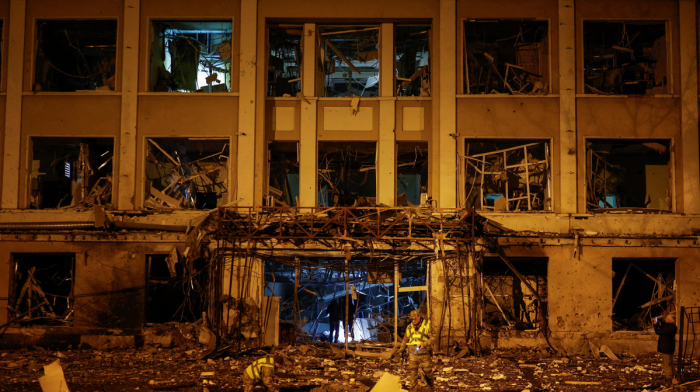
Ukrainian Deputy Prime Minister Yulia Svyrydenko said the financial package is intended to help close the country’s budget deficit and allow the government to continue functioning during wartime, particularly as repeated attacks on energy facilities disrupt economic activity.
The programme is also expected to support long-term reconstruction and Ukraine’s ambition for closer economic integration with the European Union.
Ukraine is estimated to face a financing gap of about $52 billion in 2026, which is expected to be met through IMF disbursements, European financing and other external support. A joint assessment by the IMF, World Bank, United Nations and Ukrainian authorities suggested that rebuilding the country after the war could cost roughly $588 billion over the next decade.
Several creditor nations, including the United States, Germany, Canada, the United Kingdom and Japan, have confirmed the IMF’s preferred creditor status to help protect Ukraine’s repayment capacity. The Group of Creditors of Ukraine also agreed to extend a debt standstill and prepare for future restructuring once economic conditions stabilise.
The IMF cautioned that programme risks remain exceptionally high due to the ongoing war and Ukraine’s dependence on sustained external financing. Future economic performance will depend on battlefield developments, international funding flows and progress in domestic reform.
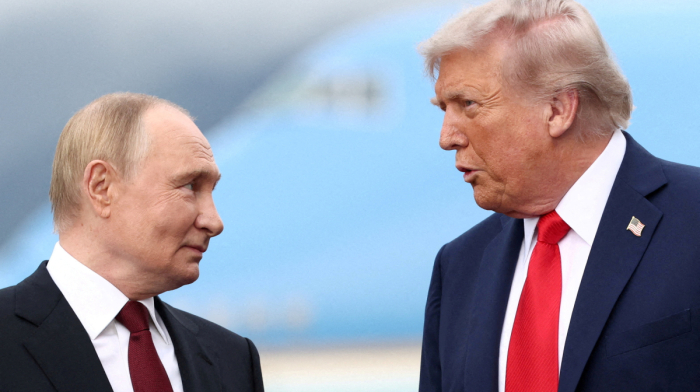
The funding announcement comes as the latest U.S.-brokered peace talks on the Russia–Ukraine war concluded in Geneva without a breakthrough, with Ukrainian President Volodymyr Zelenskyy saying there is “more readiness” for the next trilateral meeting, likely to be held in Abu Dhabi in early March, though the exact date has not been finalised.











What is your opinion on this topic?
Leave the first comment