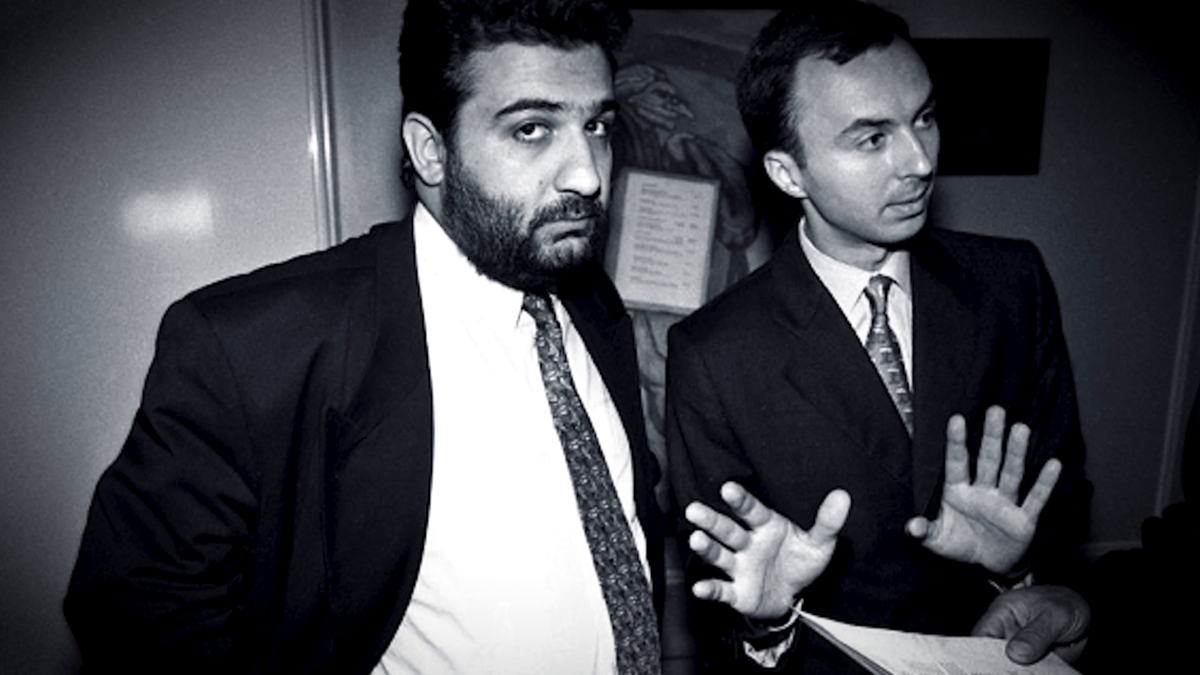
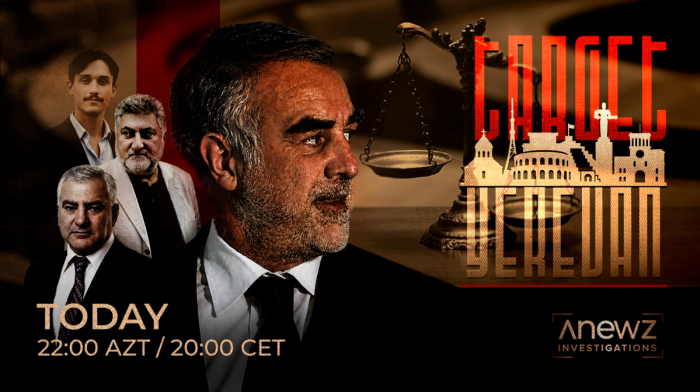
The Oligarch’s Design is an investigative documentary by AnewZ Investigations. It is built around the case of Ruben Vardanyan, but it is not a biography. It is a study of mechanisms, how money travels, how influence is packaged, and how narratives are built to look like truth.
The film is structured in four chapters. Each chapter widens the lens. Each chapter tests a different part of the same machine.
The central question is simple. How does financial power become political power, and how does it reshape conflict and public perception?
To answer that, the documentary relies on a mix of international reporting, open source investigation, and interviews across multiple countries. It does not ask the audience to “trust a vibe”. It shows structures, links, and patterns, then lets the viewer decide what holds.
Chapter 1: The Rise of Russia’s financial sector
The first chapter begins where modern influence often begins, in banking.
AnewZ examines how Troika Dialog operated inside a wider offshore ecosystem later described in reporting as the Troika Laundromat. The chapter describes a system where proxy banks and shell companies enabled large transfers while obscuring who ultimately benefited.
Two voices anchor this chapter early and clearly.
Bill Browder, the CEO of Hermitage Capital, appears as a key witness to how corruption and enforcement collided in Russia’s post Soviet transformation.
Jamison Firestone, the lawyer and former employer of Sergei Magnitsky, adds legal and human context, including the risks faced by people who expose financial crime.
The chapter also draws on investigative expertise from Šarūnas Černiauskas of OCCRP in Lithuania and Professor Louise Shelley, founder of the Terrorism, Transnational Crime and Corruption Center at George Mason University.
The story here is not just about money moving. It is about money becoming untouchable. It is about how an offshore structure can operate like camouflage, and how that camouflage protects influence.
Chapter 2: Philanthropy vs warlord
The second chapter shifts from finance to image. It asks a sharper question.
When a public figure builds a humanitarian profile, does that always mean public good, or can it also function as strategic protection?
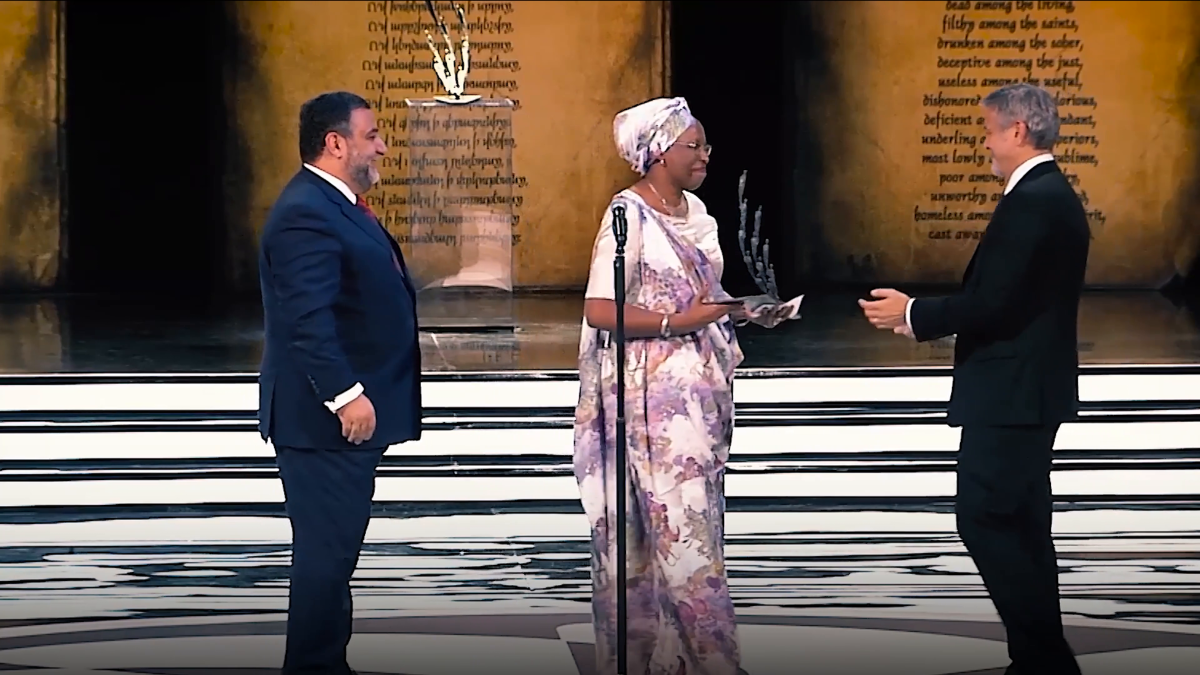
This chapter examines how philanthropy, culture, and humanitarian initiatives can generate legitimacy and access. It focuses on the Aurora Humanitarian Initiative, co founded by Vardanyan, and the surrounding network of visibility and credibility.
The film includes analysis from journalist Juliette Garside of The Guardian, sociologist and criminologist Elisabeth Schimpossl of Aston University, and Professor Taras Kuzio of the National University of Kyiv Mohyla Academy.
It also includes the Armenian perspective through Ruben Hayrapetyan, CEO of Matena International in Armenia, who speaks about how these initiatives were perceived inside Armenian society and how narratives travel through communities.
One of the most striking claims explored in this chapter is how ordinary Armenian citizens were sometimes used as intermediaries, including opening accounts later used for financial transfers without their full understanding. The documentary treats this as a serious allegation and examines it through expert commentary and investigative framing.
The theme here is uncomfortable, but necessary. Soft power is still power. Sometimes it is the easiest power to export.
Chapter 3: Engagement in war in Ukraine
The third chapter moves into wartime reality and the consequences of networks that do not stop at borders.
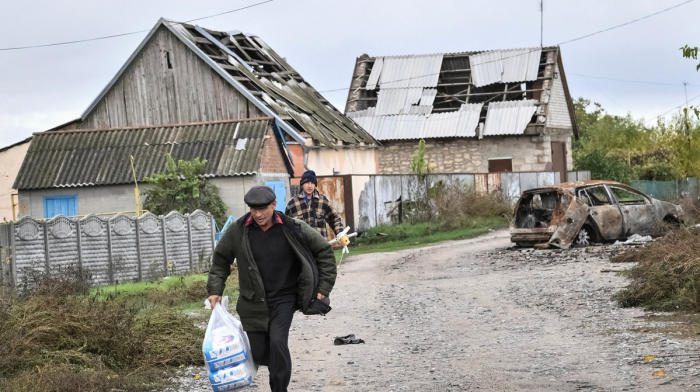
In Ukraine, lawmakers and security linked analysts explain why Ruben Vardanyan was sanctioned after Russia’s full scale war against the country. The chapter explores the logic behind those decisions and the wider claim that financial and logistics structures continued to support Russia’s wartime capacity.
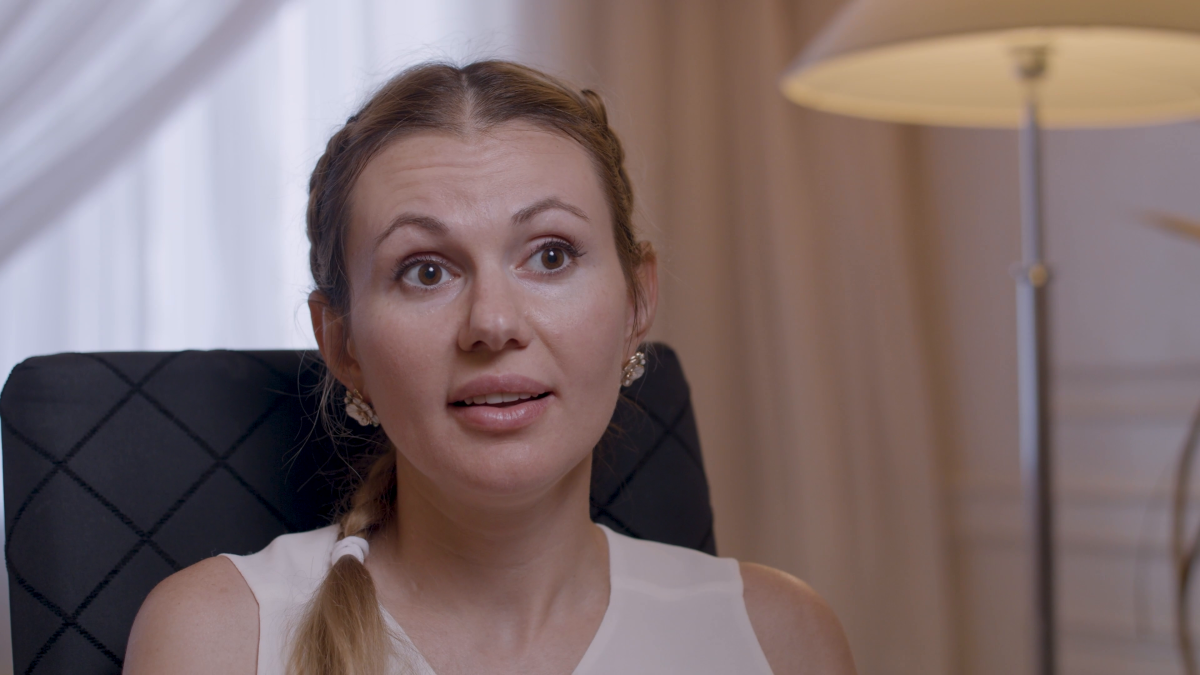
AnewZ interviews Ukrainian MP Anna Skorokhod and Ukrainian MP Yuriy Kamelchuk, alongside Roman Steblivski of the StateWatch think tank and Agia Zagrebelska of Ukraine’s Economic Security Council.
The chapter examines alleged links involving companies such as Volga Dnepr and KAMAZ, and it explores how transport, aviation, supply chains, and dual use routes can feed a war economy. Armenia and Iran appear in this chapter as part of the discussion around routes and logistics, as described by Ukrainian sources interviewed in the film.
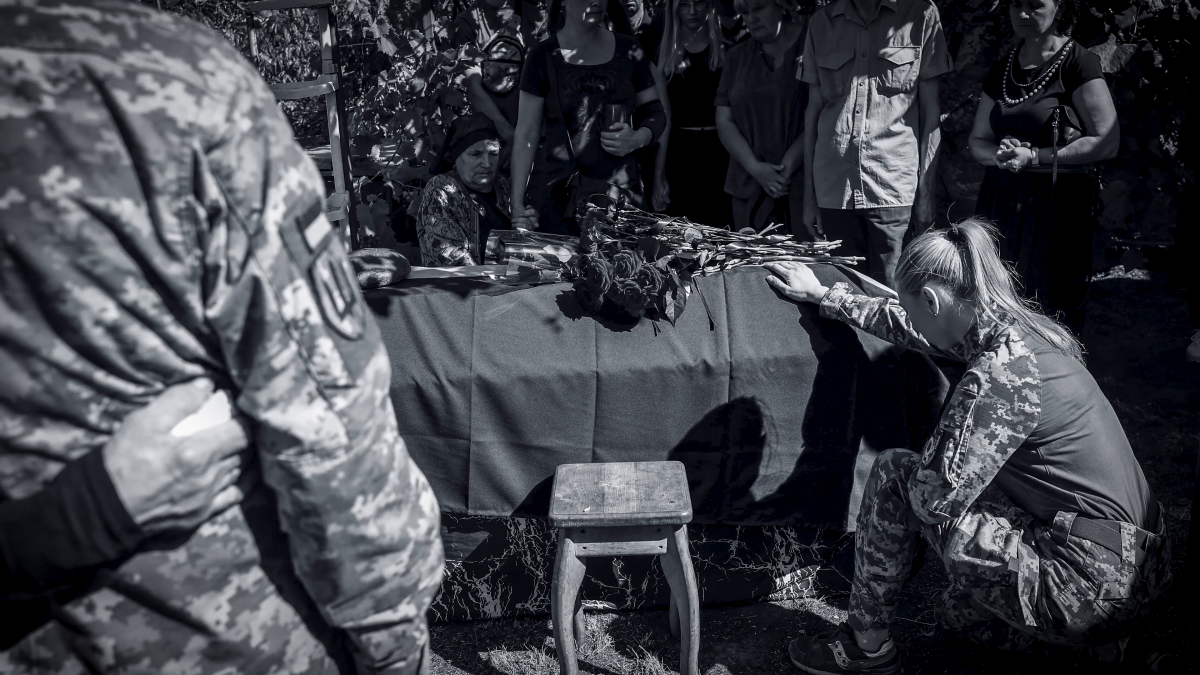
This chapter does not ask viewers to see war as a distant headline. It connects decisions made in boardrooms and banking corridors to outcomes measured in damage, loss, and endurance.
Chapter 4, Karabakh political shift
The final chapter returns to the South Caucasus, where narratives become security questions faster than elsewhere.
This part examines Vardanyan’s arrival in Karabakh in 2022 after publicly claiming he had renounced Russian citizenship, and it looks at the political and security consequences described by a wide range of voices.
AnewZ interviews Azerbaijani officials and analysts, including Arzu Zeynalabdiyeva from Azerbaijan’s Anti Corruption Directorate and former ambassador Tofiq Zulfugarov. It also includes Orkhan Amasov, presented in the documentary as a political analyst.
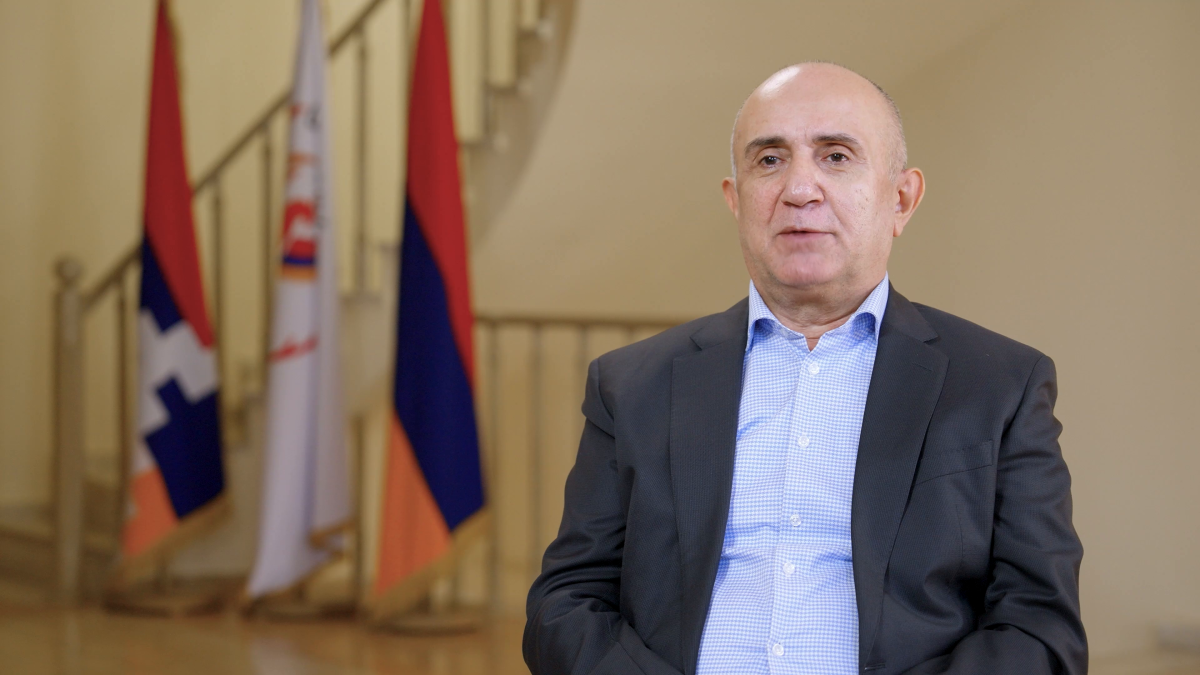
Armenian voices appear here too, including Micha Qriqoryan, an Armenian resident of Khankendi, and Grigori Martirosyan from the “We Are Our Mountains” Development Agency, alongside political and regional figures such as Samvel Babayan and Tigran Khzmalyan.
The chapter explores claims that Vardanyan’s presence coincided with renewed instability, reinforcement of separatist structures, and parallel governance mechanisms. It also examines allegations of illegal economic activity, including unauthorised mining and the redirection of resources, and it places those claims inside a broader argument about leverage and control.
The chapter ends where investigations often end, in institutions. The documentary covers Vardanyan’s detention while attempting to cross the border and the legal proceedings that followed, including charges referenced in the film.
What holds the whole story together
Power is not only held through force. It is held through systems. Systems of finance. Systems of legitimacy. Systems of narrative.
The documentary’s argument is that these systems can be built to survive scrutiny until a crisis forces the architecture into daylight. The war in Ukraine, sanctions, and regional shocks have become daylight.
The documentary is trying to map a mechanism. It asks viewers to look past personalities and focus on structure, because structure is what remains when the headlines move on.









What is your opinion on this topic?
Leave the first comment