The upcoming meeting in Berlin between U.S. envoy Steve Witkoff, Ukraine’s President Volodymyr Zelenskyy, and European officials is set to focus on advancing a proposed peace framework, though analysts warn reaching a deal may be difficult.
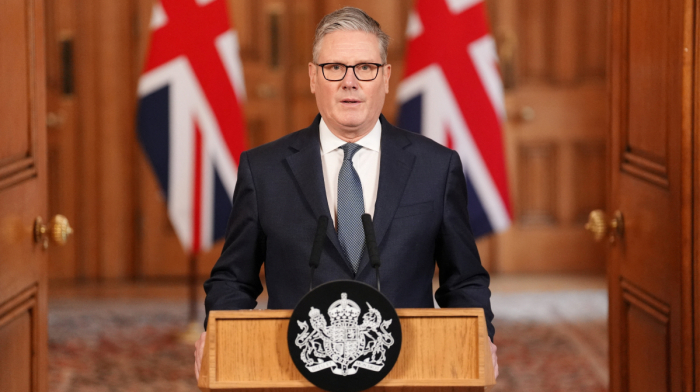
Witkoff is expected to discuss the latest version of the proposed peace agreement and hold talks on Sunday, 14 December, and Monday, with UK Prime Minister Sir Keir Starmer, French President Emmanuel Macron and German Chancellor Friedrich Merz taking part, according to reports.
Political analyst Nikola Mikovic, speaking to AnewZ from Belgrade, Serbia, outlined the competing approaches at play and the challenges in aligning U.S. and European expectations.
“They were initially supposed to hold the meeting in Paris, but it was reportedly cancelled. And now they’re scheduled to meet in Berlin,” Mikovic said.
"Although I’m not sure if they will reach a deal, the United States is attempting to pressure Kyiv and its European allies to accept Donald Trump’s peace proposal,” he noted.
Two approaches
Mikovic said Washington and its allies were pursuing different strategies and positions.
The first, led by the United States, suggests that Ukraine should make territorial concessions to Russia and freeze the conflict, which would serve Donald Trump’s interest by portraying him as a peacekeeper.
The United States could also benefit strategically, particularly if it establishes influence over the Zaporizhzhia Nuclear Power Plant, Europe’s largest nuclear facility.
By contrast, Kyiv and European powers, including the United Kingdom, are firmly opposed to such a solution.
“They back Ukraine’s war efforts and have repeatedly stated that Ukraine should continue fighting until it recaptures territories currently under Russian control,” Mikovic said.
The analyst noted that the Trump administration is actively attempting to pressure Ukraine and Europe to freeze the conflict, but expressed scepticism over the likelihood of success.
Mikovic concluded by stressing that the war will only end when one of the parties is no longer capable of continuing the fight. “As I repeatedly stated over the years, this war will end when one of the two involved parties is no longer in a position to continue fighting. And we’re still far from such an outcome,” he said.
The Berlin meeting, therefore, comes amid sharp differences in strategy and objectives, with both sides under pressure to articulate their positions and clarify expectations before any potential progress can be made.
These talks follow Ukraine’s submission of a revised 20-point peace plan to the United States, first proposed in late November, which has prompted intensified diplomatic activity.
Territorial disputes in eastern Ukraine remain the most contentious issue, with Kyiv refusing to cede land it says has been illegally occupied and Moscow insisting it will take full control of the Donbas region by force unless Ukraine withdraws.










What is your opinion on this topic?
Leave the first comment