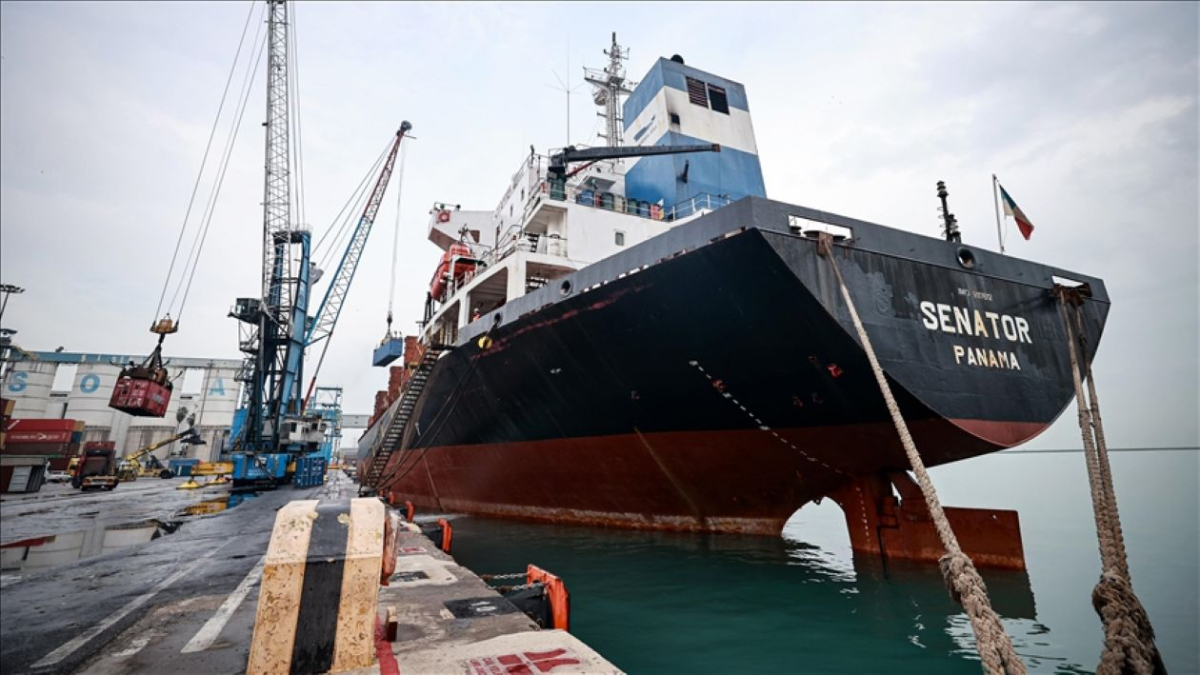
A second aid ship carrying 10,080 tents provided by Türkiye's Disaster and Emergency Management Authority (AFAD) is on its way after departing from Mersin International Port in the south of the country on 6 December to help address the ongoing humanitarian crisis in Sudan.
The assistance operation, conducted in cooperation with the United Nations’ International Organization for Migration (IOM), aims to support local populations displaced by internal conflicts in the city of El Fasher in Sudan’s Darfur region, who have been forced to relocate to Port Sudan.
A total of 30,240 tents are being supplied by AFAD. Preparations for the second aid shipment have now been completed, with containers loaded onto the vessel “SENATOR” at Mersin Port.
The aid will first be transported to Jeddah Port in Saudi Arabia, before being forwarded to Sudan.
The remaining 10,080 tents are expected to be delivered via a third aid ship.
It comes as advances by paramilitary Rapid Support Forces (RSF) in Sudan could trigger another exodus across the country's borders, U.N. High Commissioner for Refugees, Filippo Grandi, told Reuters.
The RSF took over Darfur's city of al-Fashir in late October in one of its biggest gains of the 2-1/2-year war with Sudan's army. This month, advances have continued eastward into the Kordofan region and they seized the country's biggest oil field.
Most of the estimated 40,000 people that the UN says have been displaced by the latest violence in Kordofan have sought refuge within the country, Grandi said, but that could change if violence spreads to a large city such as El Obeid. Kordofan is a region comprised of three states in central and southern Sudan.
"If that were to be - not necessarily taken - but engulfed by the war, I am pretty sure we would see more exodus," said Grandi in an interview from Port Sudan late on Monday (8 December).
"We have to remain...very alert in neighbouring countries in case this happens," he said.
Millions homeless
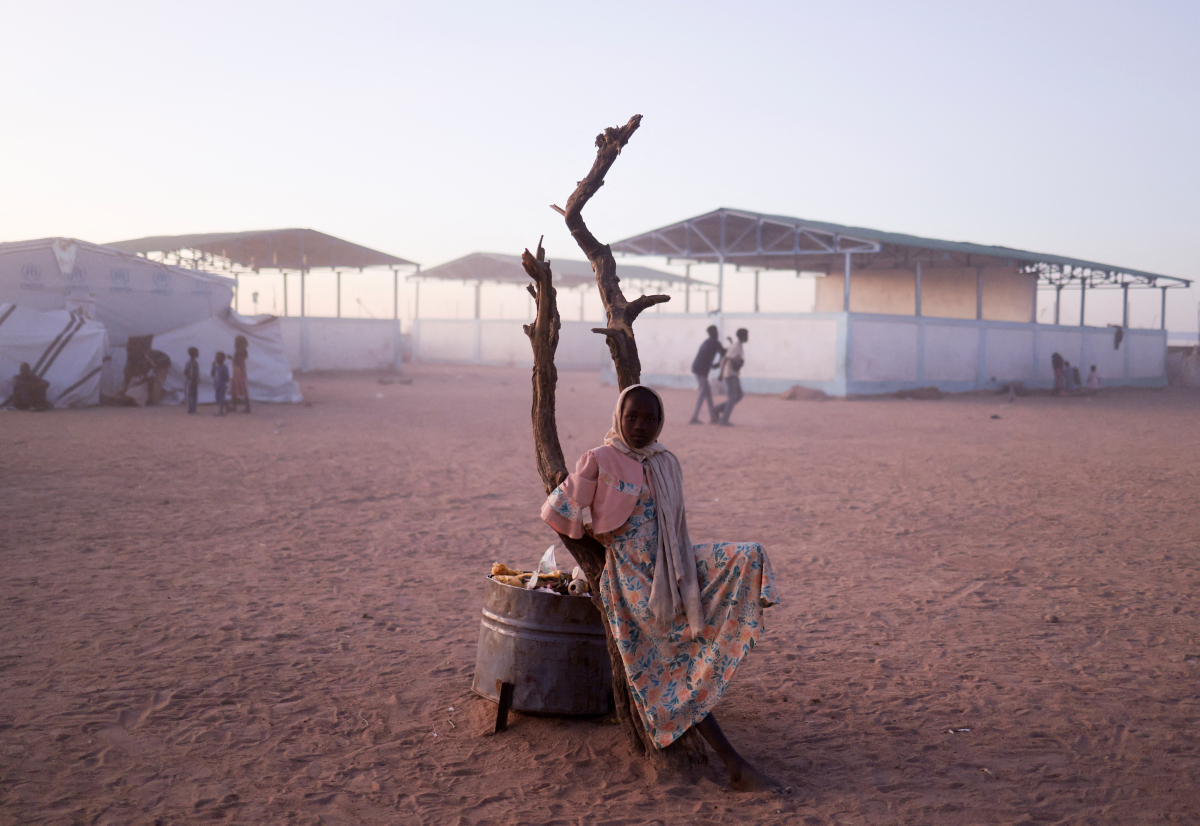
Already, the war has uprooted nearly 12 million people, including 4.3 million who have fled across borders to Chad, South Sudan and elsewhere, in the world's biggest displacement crisis. However, some have returned to the capital Khartoum, which is now back in Sudanese army control.
Humanitarian workers lack resources to help those fleeing, many of whom have been raped, robbed or bereaved by the violence, said Grandi, who met with survivors who fled mass killings in al-Fashir.
"We are barely responding," said Grandi, referring to a Sudan response plan, which is just a third funded largely due to Western donor cuts.
UNHCR lacks resources to relocate Sudanese refugees from an unstable area along Chad's border, he said.
Families torn apart
Most of those who trekked hundreds of kilometres from al-Fashir and Kordofan to Sudan’s al-Dabba camp on the banks of the Nile north of Khartoum — which Grandi visited last week — are women and children. Their husbands and sons were killed or conscripted along the way.
Some mothers said they disguised their sons as girls to protect them from being abducted by fighters, Grandi said.
"Even fleeing is difficult because people are continuously stopped by the militias," he said.
Grandi began his UNHCR career in Khartoum in the 1980s, when Sudan sheltered refugees from other African wars. He is on his last trip as UNHCR chief before his term ends this month. A successor has yet to be named from over a dozen candidates.












What is your opinion on this topic?
Leave the first comment