IAEA sees no evidence of damage to Iran's nuclear sites after Israeli and U.S. strikes
The International Atomic Energy Agency (IAEA) says it has no evidence that Israeli or U.S. strikes dam...
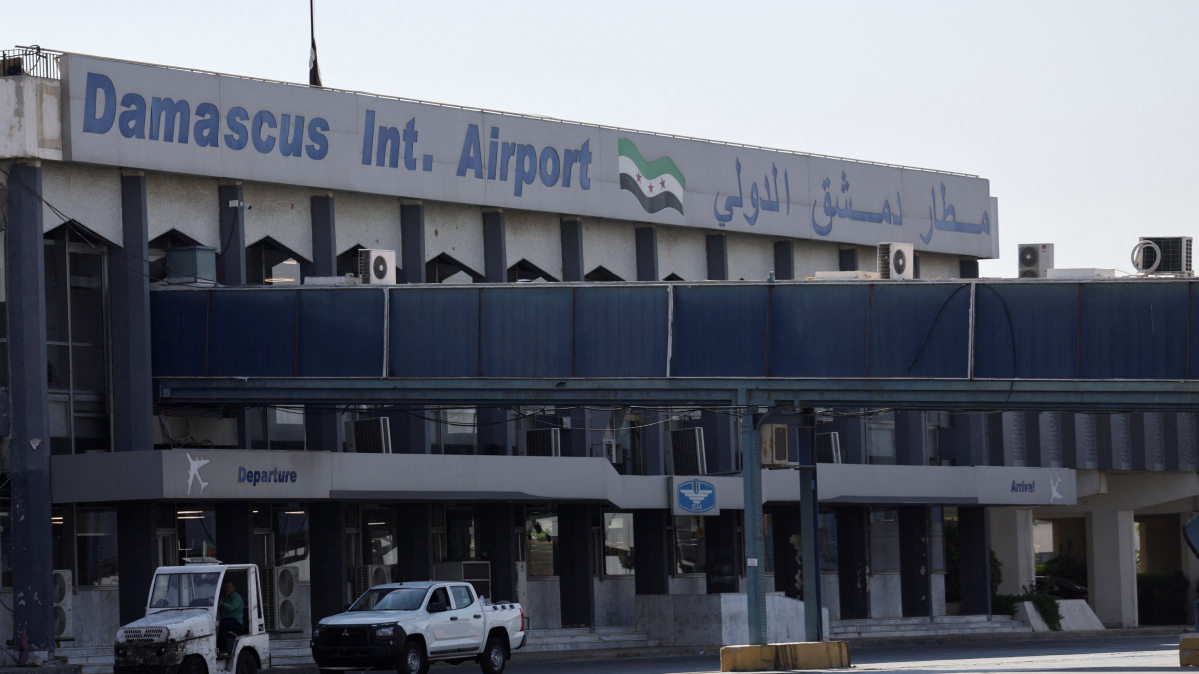
Turkish construction giants Kalyon Insaat and Cengiz Insaat will take part in the modernisation and expansion of Damascus International Airport, a project also involving Qatari firm UCC, U.S.-based Assets Investments, the Syrian Finance Ministry, and the Syrian Civil Aviation General Authority.
The four-phase programme aims to increase the airport’s annual passenger capacity to 31 million within a decade, with a total investment of approximately $4 billion.
The project includes rehabilitation of existing terminals, construction of new facilities, and enhancements to the airport’s international operations.
Upon completion of Terminals 1 and 2, the airport is expected to handle six million passengers by the end of 2026, with Terminal 3 raising the capacity to 13 million.
Once all phases are completed, total passenger capacity will reach 31 million. The initiative is projected to create more than 90,000 direct and indirect jobs and strengthen the region’s trade, tourism, and logistics sectors.
Murathan Kalyoncu, chair of Kalyon Insaat, said the firm is now moving forward with international projects after completing significant works in Turkey.
“This project will make a substantial contribution to Syria’s economy, regional development, and stability,” he added. Kalyoncu highlighted the firm’s previous success with the IGA Istanbul Airport, which was completed in record time, and said the company is ready to apply that expertise to Syria.
Asim Cengiz, deputy chair of Cengiz Insaat, described the project as a key step in bringing Syria’s aviation infrastructure up to international standards.
“We will deliver a safe, modern, and high-capacity airport — this investment will revive regional trade and transport networks while supporting the normalisation of life in Syria and its long-term development goals,” he said.
Cengiz added, “Our aim is to create a resilient, modern, and sustainable aviation infrastructure capable of meeting Syria’s future needs.”

Follow the latest developments and global reaction after the U.S. and Israel launched “major combat operations” in Iran, prompting retaliation from Tehran.
Ayatollah Alireza Arafi has moved into a pivotal constitutional role following the death of Supreme Leader Ayatollah Ali Khamenei, becoming the clerical member of Iran’s temporary leadership council under Article 111 of the Constitution of the Islamic Republic of Iran.
Iran has been at the centre of a rapidly escalating regional crisis since Saturday, when U.S. and Israeli military strikes hit Tehran. The attack prompted retaliatory strikes by Tehran across the Middle East, civillian casualties, maritime disruptions and international diplomatic responses.
Türkiye raised its security level for Turkish-flagged vessels in the Strait of Hormuz to Level 3 on Sunday (2 March). The development follows Iranian restrictions on shipping after U.S. and Israeli strikes and confirmation of Supreme Leader Ali Khamenei’s death.
The United States and Israel have carried out large-scale strikes on Iranian leadership and military targets, with Iranian state media confirming that Supreme Leader Ayatollah Ali Khamenei was killed.
Israel carried out heavy airstrikes on the Hezbollah-controlled southern suburbs of Beirut on Monday (2 March), after the Iran-backed group launched missiles and drones towards Israel in retaliation for the killing of Iran's Supreme Leader Ali Khamenei.
Saudi Arabia’s state oil giant Saudi Aramco closed its Ras Tanura refinery on Monday following an Iranian drone strike, an industry source told Reuters as Tehran retaliated across the Gulf after a U.S.-Israeli attack on Iranian targets over the weekend.
Kazakhstan and Serbia have agreed to deepen their strategic partnership following talks in Astana between Presidents Kassym-Jomart Tokayev and Aleksandar Vučić, signalling a shift from political dialogue towards more practical cooperation.
The International Atomic Energy Agency (IAEA) says it has no evidence that Israeli or U.S. strikes damaged Iran’s nuclear facilities, although contact with Iranian authorities has failed.
China expressed serious concern over the escalating conflict in Iran, confirming that one Chinese national was killed in Tehran. Beijing called for an immediate halt to military operations and a return to diplomatic talks, while other Asian countries have also voiced their positions on the crisis.
You can download the AnewZ application from Play Store and the App Store.
What is your opinion on this topic?
Leave the first comment