Iran's Pezeshkian says barter trade helps economy withstand sanctions
President Masoud Pezeshkian has defended his administration's economic performance under longstanding Western sanctions and severe wartime conditions,...
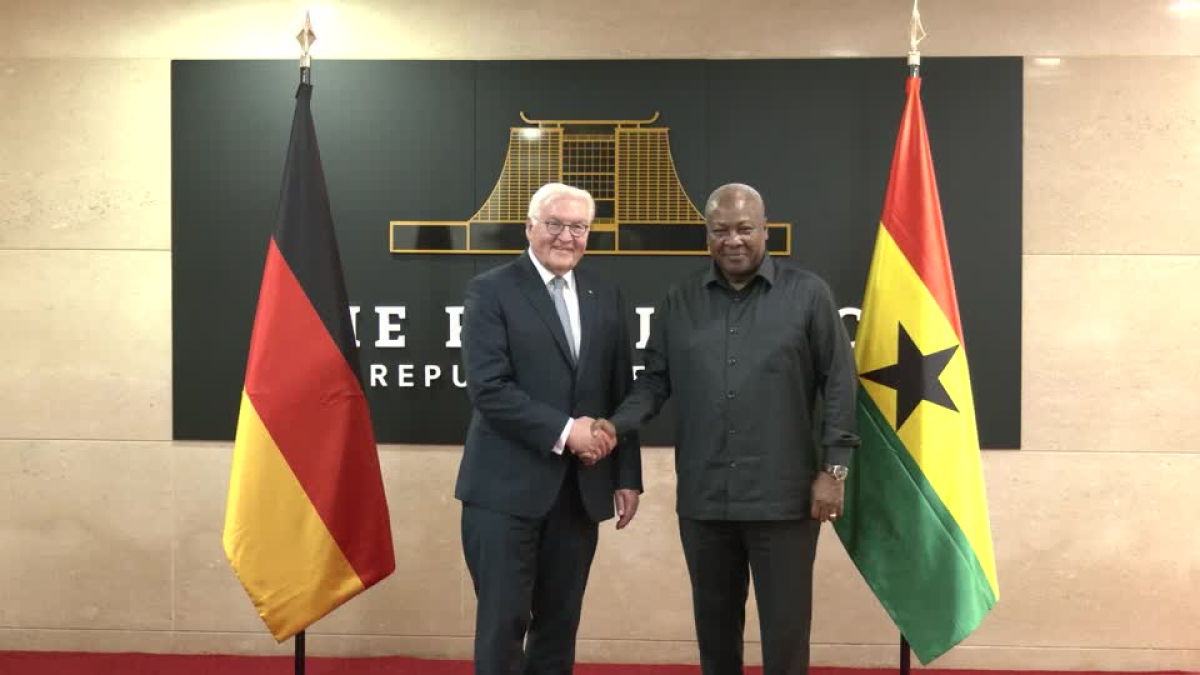
German President Frank-Walter Steinmeier has announced that Germany will provide Ghana with €65 million (approximately $69 million) in development assistance.
The funds, pending approval by the Bundestag, will be directed towards renewable energy, industrialisation, and digital transformation projects.
Speaking at a joint press conference with President John Mahama in Accra, Steinmeier said the initiative reflects the close cooperation between the two nations and Germany’s commitment to supporting long-term stability and development in West Africa.
“This is a case in point for our shared approach. Germany, together with the European Union, supports the Ghanaian government’s efforts towards lasting stability and development. During my visit to the ECOWAS headquarters last December, we discussed these common challenges,” Steinmeier stated.
President Mahama said discussions had focused on peace and security in West Africa, particularly the growing threats of terrorism, violent extremism, and political instability in the Sahel region.
“We are undertaking proactive diplomatic efforts to foster dialogue, rebuild trust, and strengthen cooperation among our neighbours,” Mahama said.
He also commended the German government’s principled position on global governance reform, urging other nations to take concrete steps towards making the United Nations Security Council more representative and democratic.
“Ghana calls on all nations to move beyond rhetoric and take action to make the Security Council more representative, democratic and legitimate,” Mahama added.
During the three-day state visit, President Steinmeier met with senior Ghanaian officials, reviewed a military guard of honour, and attended a state luncheon held in his honour.
Berlin’s new funding aims to strengthen Ghana’s green industrialisation agenda, advance sustainability goals, and deepen bilateral cooperation in trade, technology, and regional stability.

U.S. President Donald Trump said there was an "all-day negotiation" on Tuesday with Iran, characterising the talks positively while also threatening to hit Iran "really hard" if a deal was not reached.
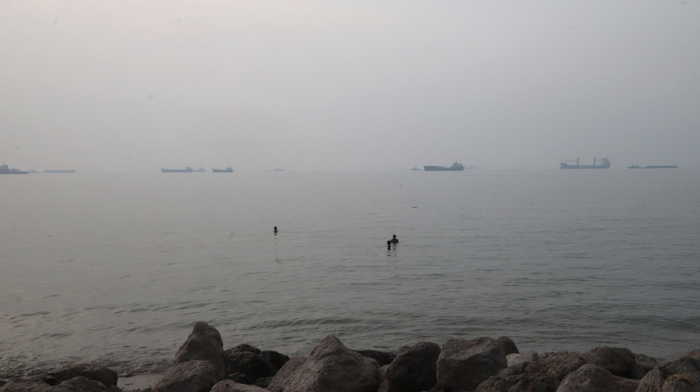
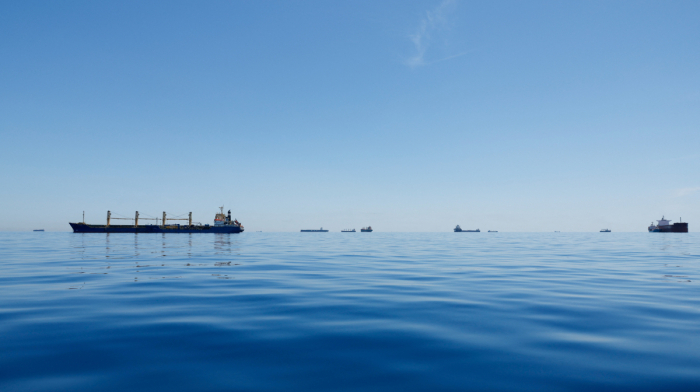
Shipping traffic through the Strait of Hormuz and the Bab el-Mandeb Strait, two key maritime chokepoints in the region, decreased significantly from the previous day, according to shipping data.
Start your day informed with AnewZ Morning Brief. Here are the top news stories for the 6th of August, covering the latest developments.
Kazakhstan’s main oil export corridor was disrupted by drone strikes near Russia’s Black Sea coast in July, forcing a temporary suspension of crude loadings and raising fresh concerns over the vulnerability of regional energy infrastructure to the war in Ukraine.
Ukrainian President Volodymyr Zelenskyy has dismissed the country's ambassadors to Tajikistan, Kyrgyzstan and several other countries. The removals came after a speech on Monday in which he said embassies would be judged on their effectiveness in securing weapons for Ukraine.
President Masoud Pezeshkian has defended his administration's economic performance under longstanding Western sanctions and severe wartime conditions, saying barter trade with neighbouring countries has expanded to help Iran cope with financial restrictions, according to his office.
The installation of the first fibre-optic cable across the bottom of the Caspian Sea has been completed, marking a major step in the development of a new digital corridor connecting Europe and Asia.
Saudi Arabia has warned of a growing regional security threat after a Houthi attack wounded 11 civilians in the kingdom's southern Najran province, raising fears that further coordinated strikes could follow.
A bomb planted inside a minibus has killed two people and injured 13 others in the Damascus suburb of Jaramana, adding to concerns over security in an area that has seen repeated tensions in recent months.
Pakistan’s critical minerals sector is attracting renewed interest from American companies, with investors exploring opportunities in copper, antimony and other strategic minerals as global competition intensifies to secure supplies for defence, artificial intelligence and clean energy industries.
You can download the AnewZ application from Play Store and the App Store.
What is your opinion on this topic?
Leave the first comment